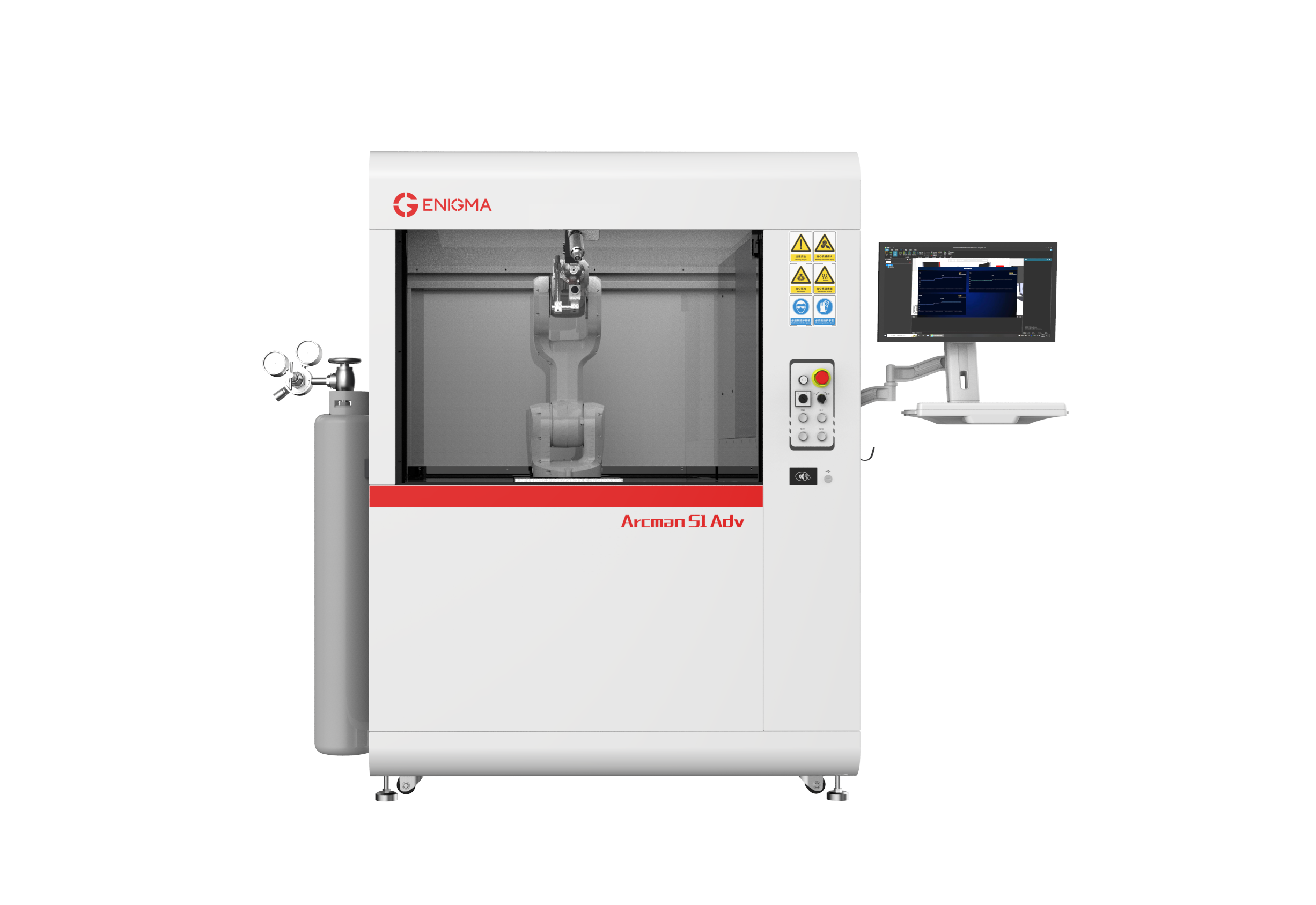
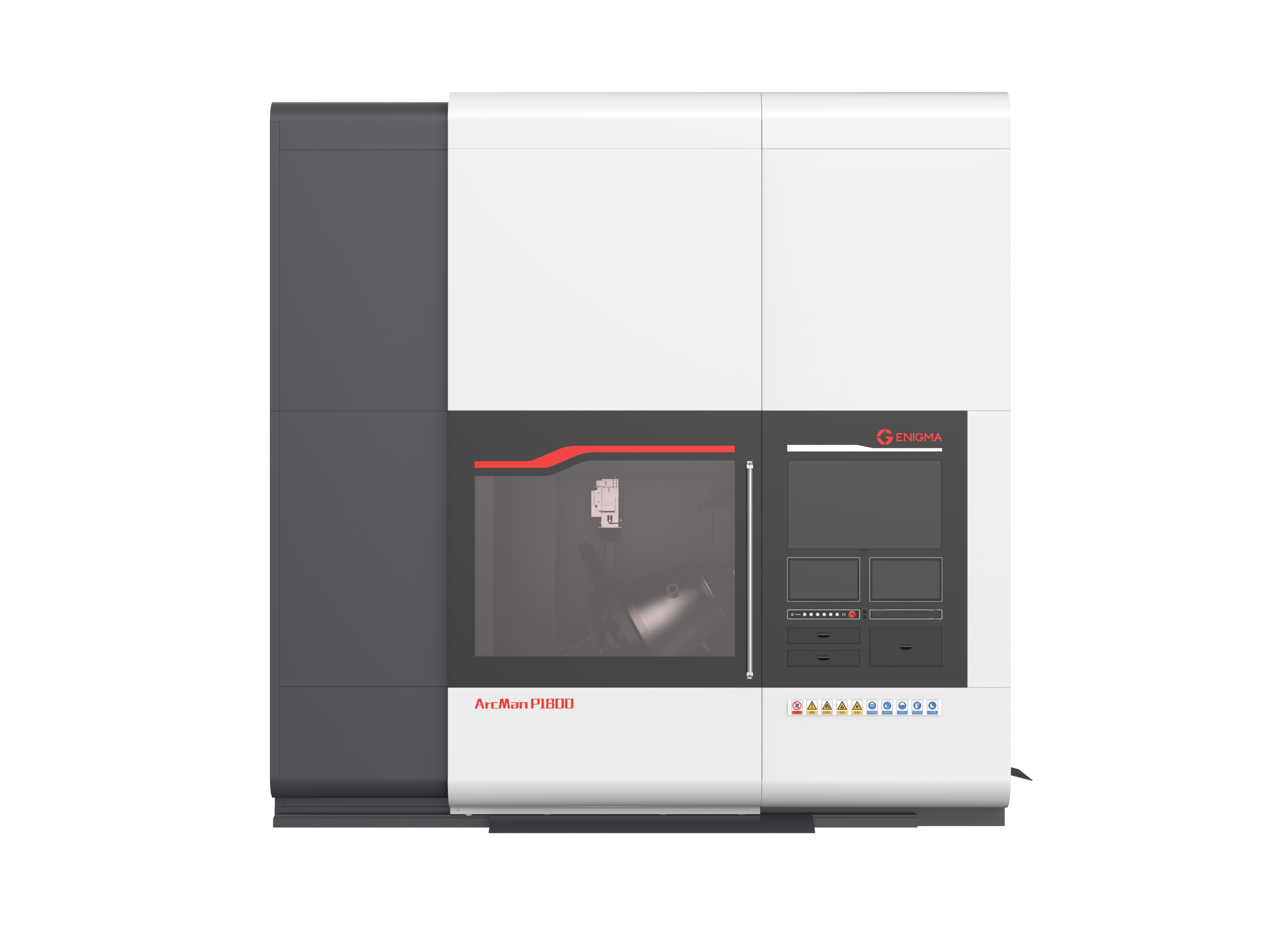
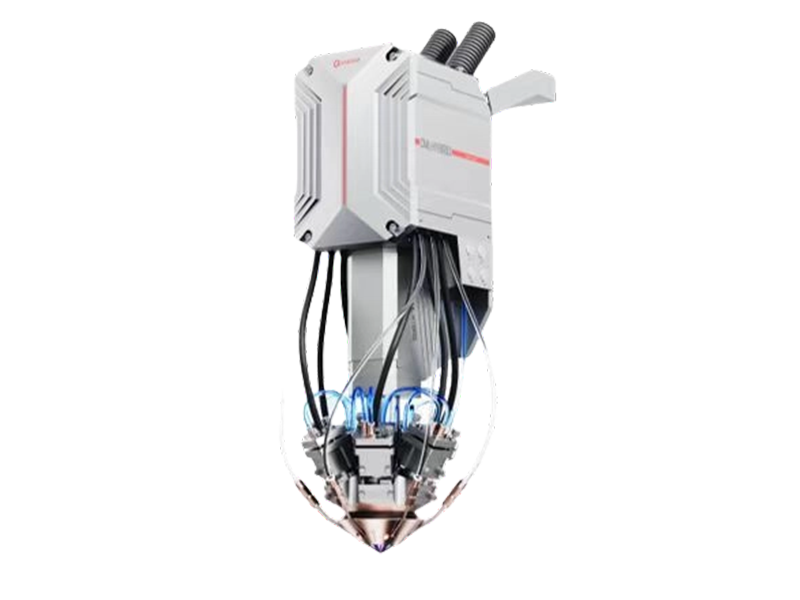
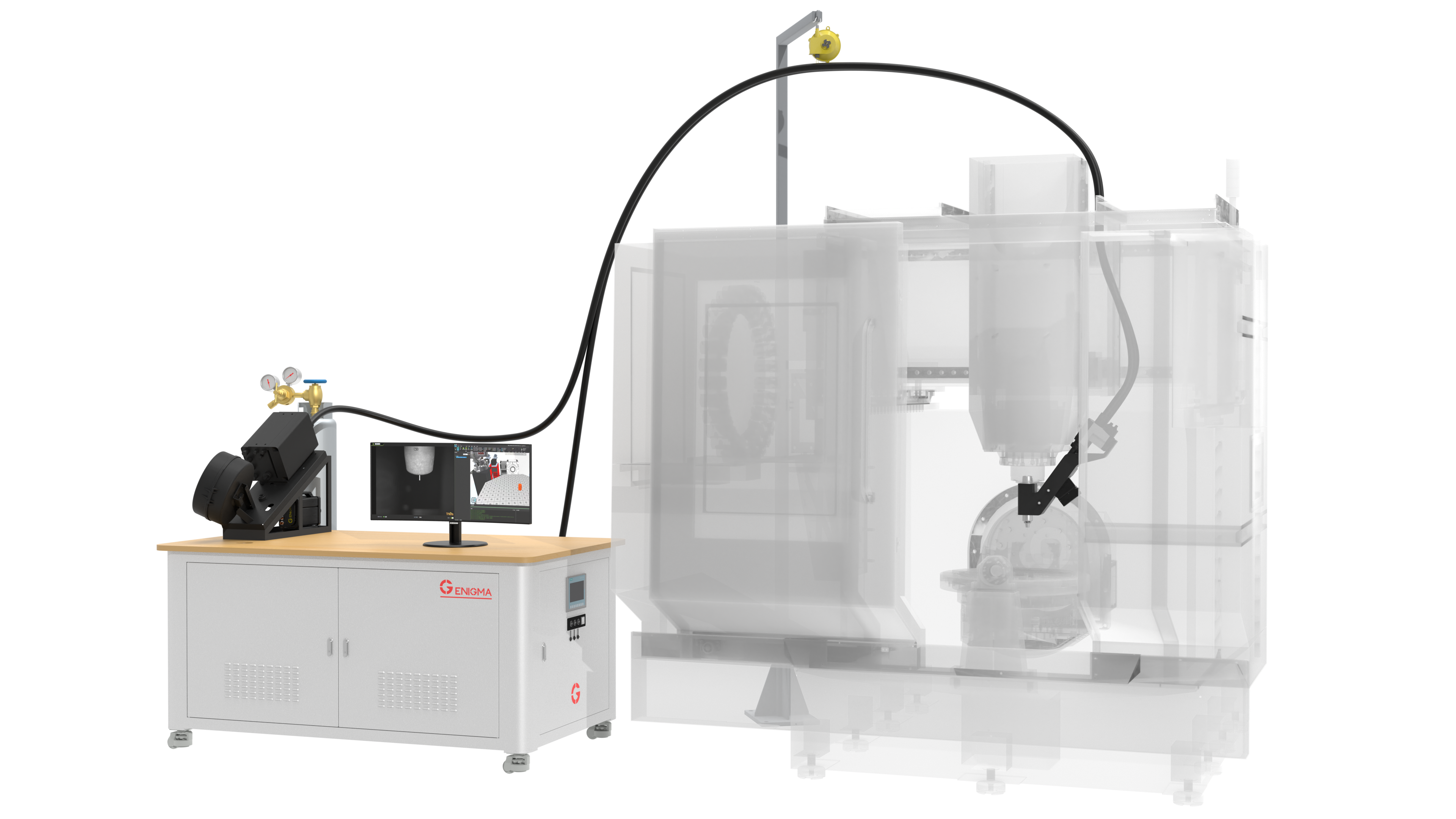
The oil and gas industry is no stranger to extreme conditions, whether it be deepwell drilling or working on offshore platforms. Because of this, the industry needs well built, reliable equipment for oil and gas. This industry also needs to be able to order custom parts without the extreme costs and Shorter timelists, and this is where 3D printing comes in. DED is a kind of 3D printing that uses focused heat to melt and deposit materials to form layers and it is able to create complex parts that other industries are used to. For parts like oil and gas equipment valves and impellers that need to reduce the loss of pressure for internal flow channels, this is a game changer. This means that the oil and gas industry is able to create more custom parts, for lower costs, and in a shorter time, more efficiently. 3D printing is also able to decrease design cycles that used to take months down to a few weeks.
Oil and gas equipment need to withstand corrosion, high pressures, and changes in temperature. 3D printing solves this issue through alloys, such as stainless steel and Inconel, which are used for oil and gas equipment. Enigma's DED systems 3D print these materials into dense, uniform parts that outperform traditionally cast oil and gas components. A case study measuring the durability of 3D-printed wear plates used in oil and gas equipment confirmed this finding, resulting in less frequent replacements. Because of this, oil and gas equipment can run in harsh conditions for longer periods of time, which lowers maintenance costs for the operators.
There can be multi-million dollar costs and a halt in drilling operations as a result of delays in replacing broken oil and gas equipment. 3D printing allows for the production of oil and gas equipment spares at the job site, which, therefore, reduces lead time to a few hours instead of weeks. For offshore rigs, 3D printers can provide oil and gas equipment pumps or valves parts of without waiting for shipments. Enigma DED technology also improves the lifespan of costly oil and gas equipment by filling in worn out areas. This flexibility improves the reliability of oil and gas equipment and also reduce downtime during operations.
The negative environmental and economic impacts of traditional oil and gas equipment manufacturing processes are almost self-evident. Each part produced requires numerous toolings, takes extensive time and resources, and generates large amounts of scrap and waste, particularly for small-volume parts. With 3D printing, tooling for oil and gas equipment is completely eliminated, and the materials are adjusted for specific parts to improve material efficiency. For wellhead components through to more intricate and complex pieces, 3D printing seamlessly offers cost reduction, and with no compromise in quality, is more affordable and more accessible for small to medium oil and gas operators. This is ideal for flooding the market with oil and gas equipment tailored specialized solutions with faster lead times. .
Meaningful oil and gas equipment is required to undertake specific tailored projects, particularly in the case of narrow wellbore tools. Enigma’s 3D printing approach provides unprecedented flexibility and design freedom to produce custom oil and gas equipment. The range is boundless and includes everything from streamlined compact sensors to robust heavy duty drilling components. B End clients are able to trial the oil and gas equipment prototypes under real-world conditions with the 3D printing approach, enabling iterative refinements of the design and production of low volume batches without compromising time and resources. The result is operational equipment and oil and gas equipment designed collaboration for seamless integration more tailored to the unique operational needs of the clients to the gas projects and wider success outcome.
6. Future Trends for 3D Printed Oil and Gas Equipment\n\nAs technology continues to improve, so too will the capabilities of 3D printing in the creation of oil and gas equipment. Enigma is working on the creation of DED systems meant for the printing of multimetallic oil and gas equipment, merging materials with corrosion resistance and high-strength capabilities. Furthermore, oil and gas equipment will undergo greater performance and weight optimization to improve the efficiency of 3D printed components through AI optimized design. As 3D printed oil and gas equipment becomes widely accepted, more operators will adopt DED technology to remain competitive in the primary industry.
 Hot News
2025-06-30
2025-07-04
2025-07-01

 EN
EN