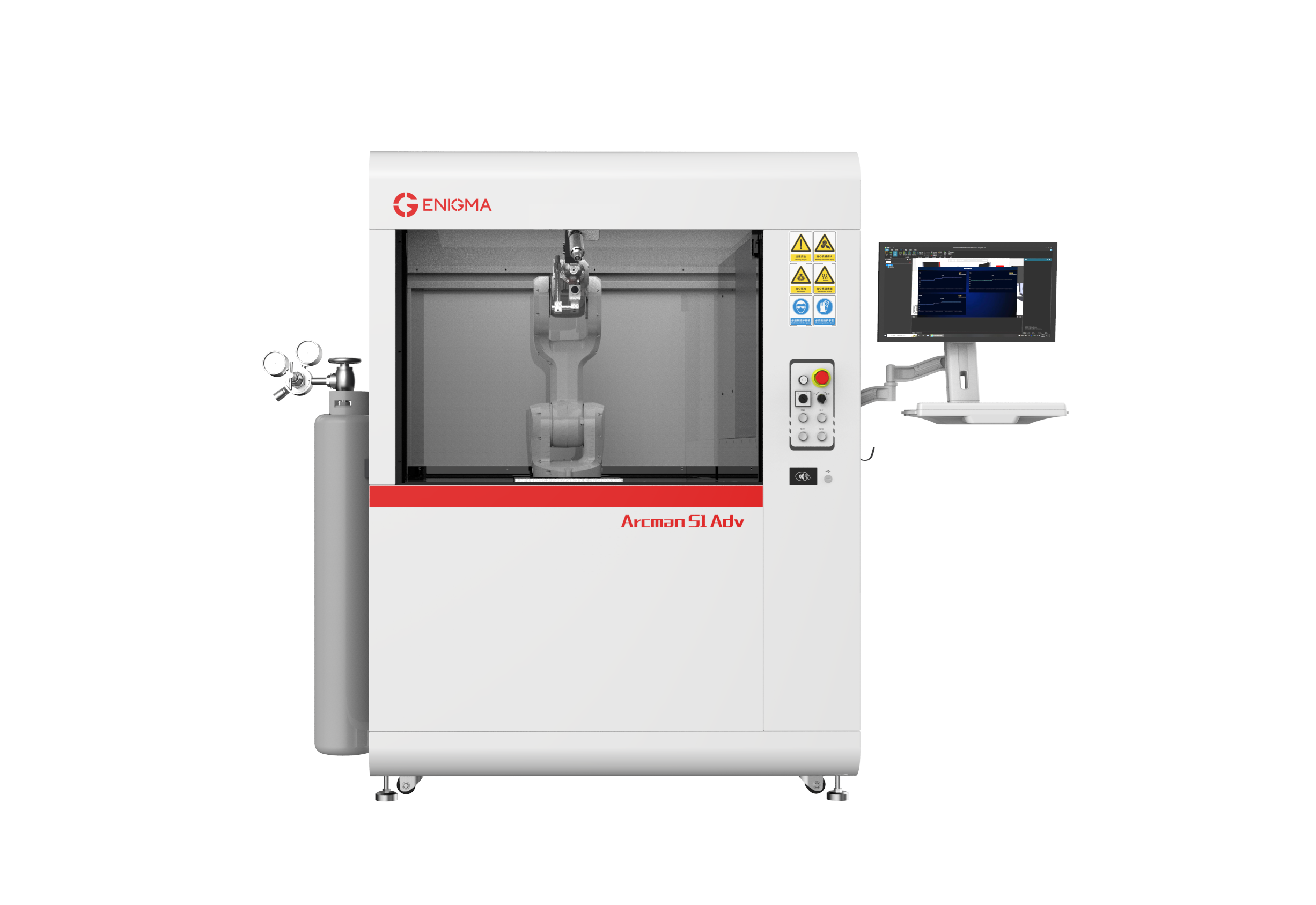
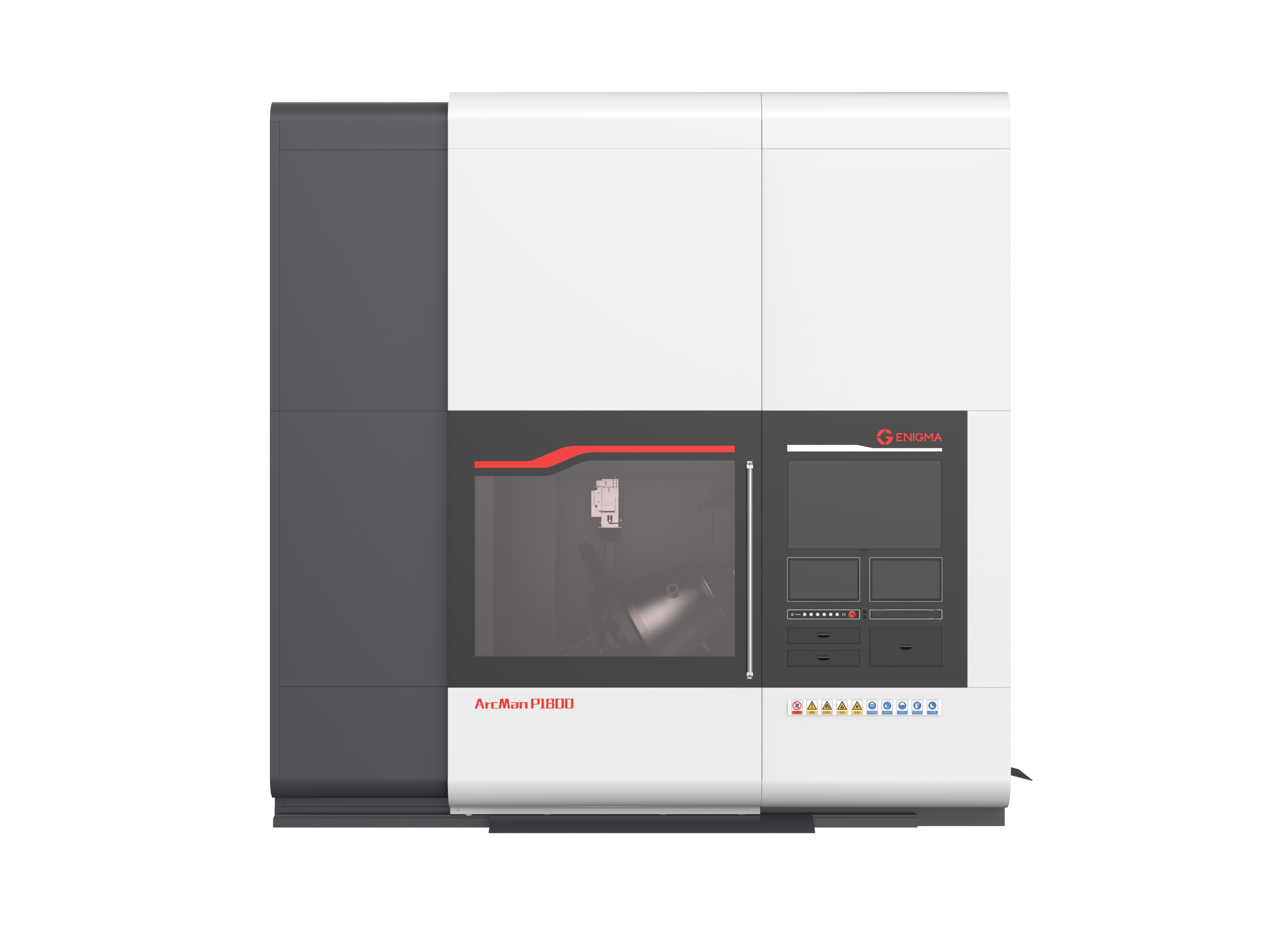
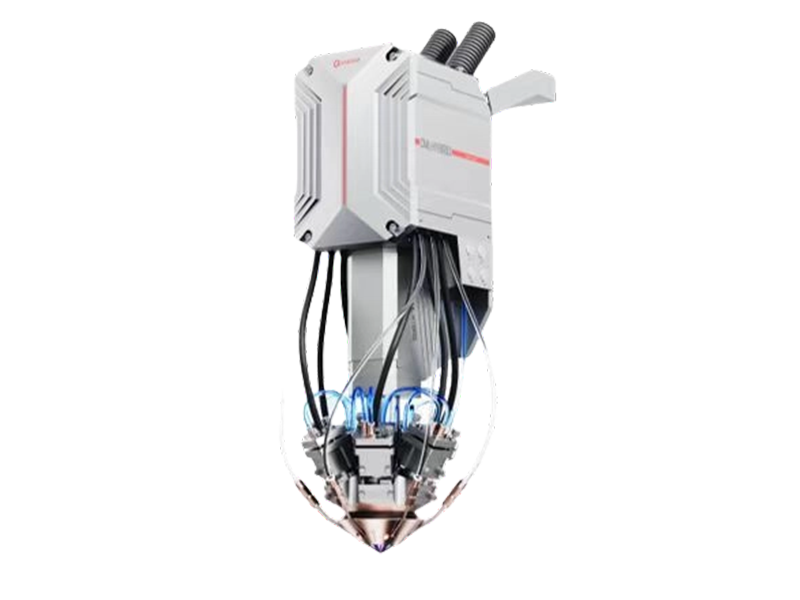
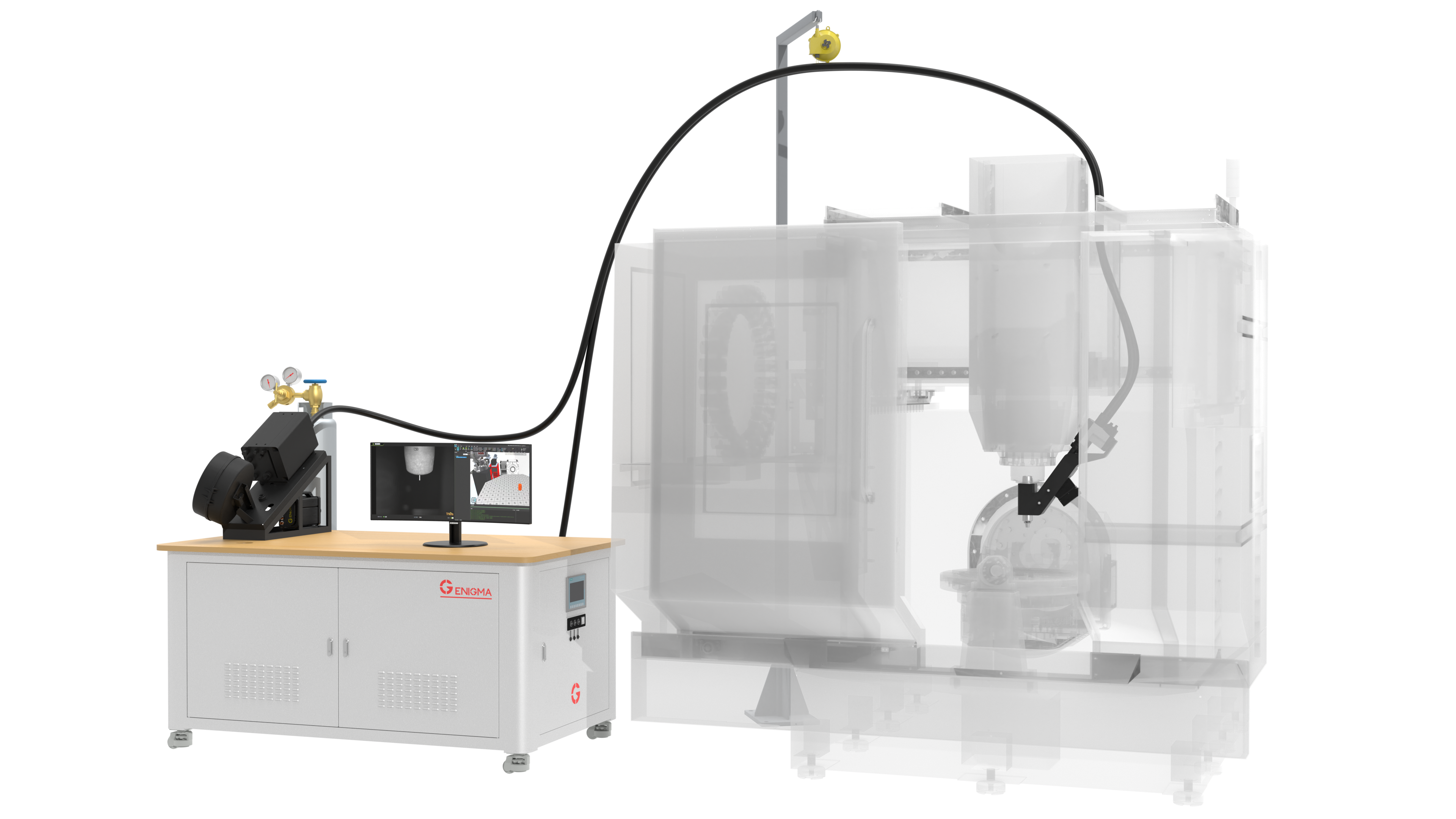
In advanced manufacturing, directed energy deposition machines are very versatile because they can work with a variety of metals to solve the complex needs of different industries. Unlike older manufacturing technologies that can only work with certain materials, directed energy deposition machines can work with different metals because they melt and deposit metals powder or wires in layers. They use a really strong energy source that can be a laser, an electron beam, or a plasma arc. Below is how directed energy deposition machine works with different metals and different industries.
As previously mentioned, one of the most important features of directed energy deposition machine is that it can work with a variety of metals, from standard alloys to advanced superalloys.
The directed energy deposition systems can work with titanium alloys (used in aerospace), stainless steel (in medical and automotive applications), nickel-based super alloys (Inconel for energy and aerospace), and even refractory metals (e.g. tungsten and molybdenum used in high-temperature applications). For instance, when making components for aerospace engines, the directed energy systems can work with Inconel 718 and develop high-temperature resistant engine parts; for medical implants, it can use titanium alloys to produce the frame for a biocompatible structure. This versatility in machining multiple materials means less equipment for manufacturers and simplified production instead of needing multiple dedicated machines and work cells.
The aerospace sector is a market that requires high precision and high performance. The directed energy deposition machines have no difficulty meeting these specifications. The precision energy control of the systems guarantees uniform heating of the metal during melting and deposition, thus producing high-density parts(including titanium alloy and nickel-based superalloy turbine blades and engine casings) along with commendable mechanical properties (increased strength and fatigue resistance). The directed energy deposition systems also allow for the repair and remanufacturing of aerospace components to be done. Extruded metal materials that match the worn turbine blades can be used to repair them, thus prolonging the life of the turbine.
Decreased manufacturing costs in the aerospace sector while improving the dependability of aerospace parts is a huge capability added to the laser metal deposition.
Custom metal parts, like dental prostheses and orthopedic implants, need to be tailored to a patient's anatomy. The direct metal laser deposition machine can work with biocompatible metals like titanium and cobalt chromium alloys. Implants with complex, porous structures for which bone can grow through them are highly beneficial. For example, using a patient’s CT scan, custom hip implants can be designed and tailored for manufacturing to precision with direct metal laser deposition technology. Unlike traditional casting or forging, which are unable to work with complex shapes, direct metal laser deposition has no limits for on demand custom implants which promote better treatment outcomes and lower recovery times for patients.
The energy sector, especially oil and gas and renewables, requires parts made from metals that can withstand pressure, high temperatures and corrosion. The directed energy deposition machine works with corrosion resistant metals like duplex stainless steel and nickel alloys to manufacture oil well casings, heat exchangers and wind turbine components.
Directed energy deposition machines assist onsite repair of energy equipment because these machines can deposit metal onto already existing machine parts. For example, machines can repair oil pipeline joints that have been corroded, by depositing corroded resistant metals. This avoids expensive equipment replacement and reduces downtime on production. This level of efficiency and flexibility positively impacts the energy sector making directed energy deposition machines even more valuable.
The automotive R&D is known for its need for fast and small scale production of metal components to improve on product development. The directed energy deposition machine performs this task. Directed energy deposition machine can work with automotive metals such as aluminum alloys and high steel, and rapidly produces prototype automotive parts such as engine brackets and chassis components. This is an incredible development because traditional machining that produces these components takes a longer production time and is costly due to the production of expensive molds. The directed energy deposition machine can produce automotive part prototypes in a matter of days, significantly accelerating the speed at which automotive designers work on product prototypes. The directed energy deposition machine also enables designers to produce complex components that are lightweight and in turn help reduce the weight of the vehicle to improve fuel efficiency, a growing demand in the automotive sector.
The Conclusion
The directed energy deposition machine from Enigma (https://www.enigma-ded.com/) deserves mention for the variety of metals it works with, and the multiple industries it serves such as aerospace, medicine, energy, automotive, and for the level of precision, customization, efficiency, and rapid prototyping each sector requires.
Industries are looking for more intricate and high quality metal components, so directed energy deposition machines will continue being a key pillar in the refinement of high tech manufacturing. For businesses aiming to broaden material options, cut costs, and improve competitiveness, investing in a premium directed energy deposition machine is the way to go.
 Hot News
2025-06-30
2025-07-04
2025-07-01

 EN
EN