
 EN
EN
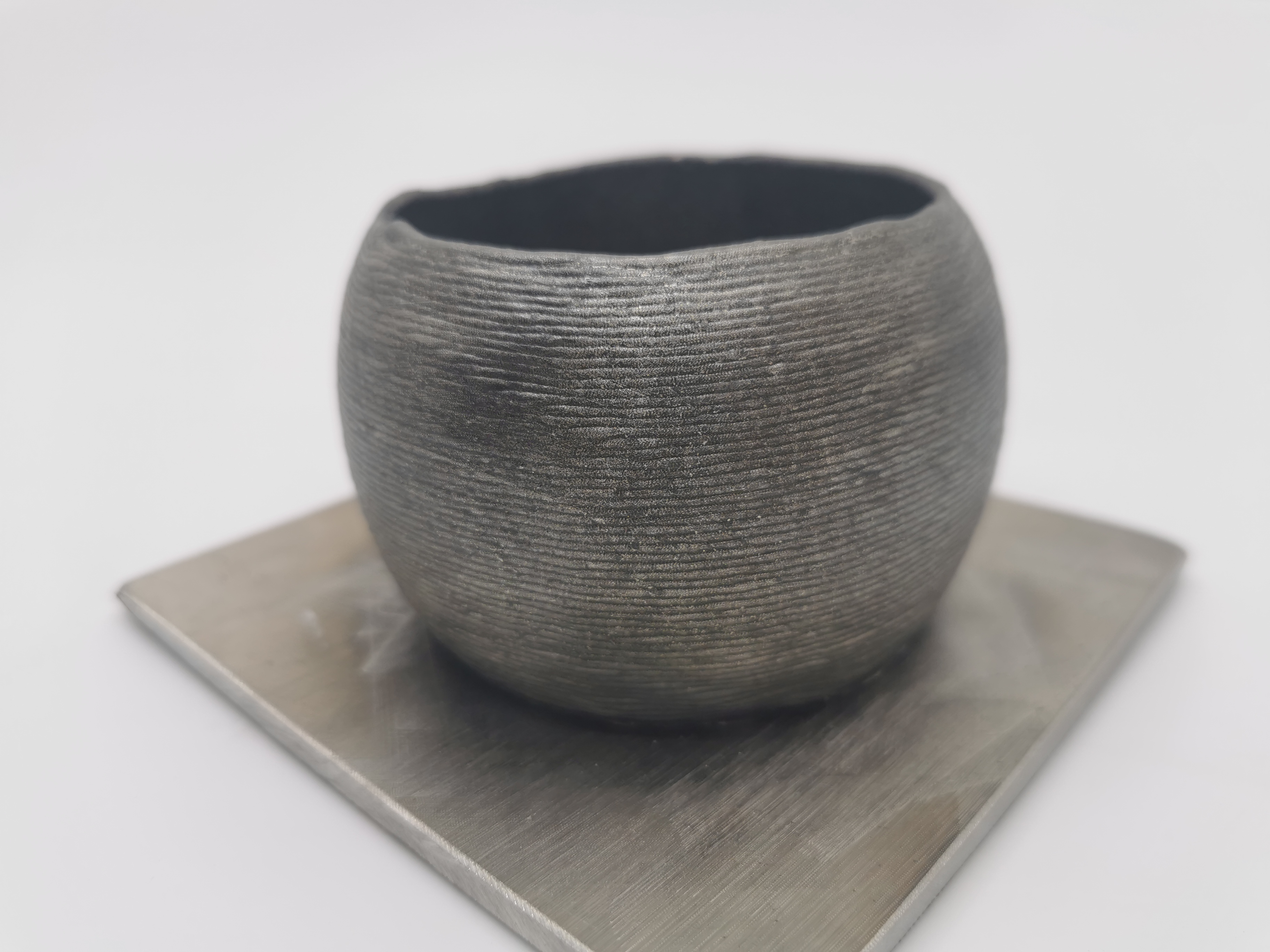
Speeding Up the Validation of New Materials via Rapid Prototyping
Decrease Alloy Development Times from Months to Days
The development of new alloys has been revolutionized by metal printing. Manufacturers have moved to fully integrated processes, which have been reduced from testing via casting, forging, and other processes that occurred over a span of months, to validation and building of processes that occurs in a matter of hours. Companies can also easily modify compositions, such as the nickel content in superalloy powders, between print runs. Testing of materials for properties such as corrosion resistance, mechanical strength, and high-temperature stability has also been advanced. The overall R&D time has been reduced by an order of magnitude, and the process has retained a high degree of data integrity.
Closed-Loop Integration of Print Parameters, Microstructure, and Mechanical Performance
Traditional manufacturing methods have made it nearly impossible to connect what goes into a manufacturing process to what comes out of it, how it works at a microscopic level, and how well it performs. Today’s metal printing technologies can make this connection. Using in situ microscopy, an operator can observe and document real-time changes in grain structure resulting from changes in laser power and scan speed. This process develops predictive capabilities that determine how strong or how flexible materials can become without any sample modifications. A great example of this process is in the fabrication of titanium scaffolds. These scaffolds can be designed with porosity that is fine-tuned, and as a result, the scaffolds have a predetermined level of elasticity. This technology facilitates the production of titanium scaffolds for aerospace brackets, as well as medical implants, where strength and weight optimization is critical. Microstructure by design is a phrase used to describe what happens when phase field modeling and thermal simulation are used in tandem. Engineers can input the property targets they desire; for example, a yield strength of 650 degrees Celsius, and the system autonomously creates a material processing plan to achieve the targets reliably across production batches.
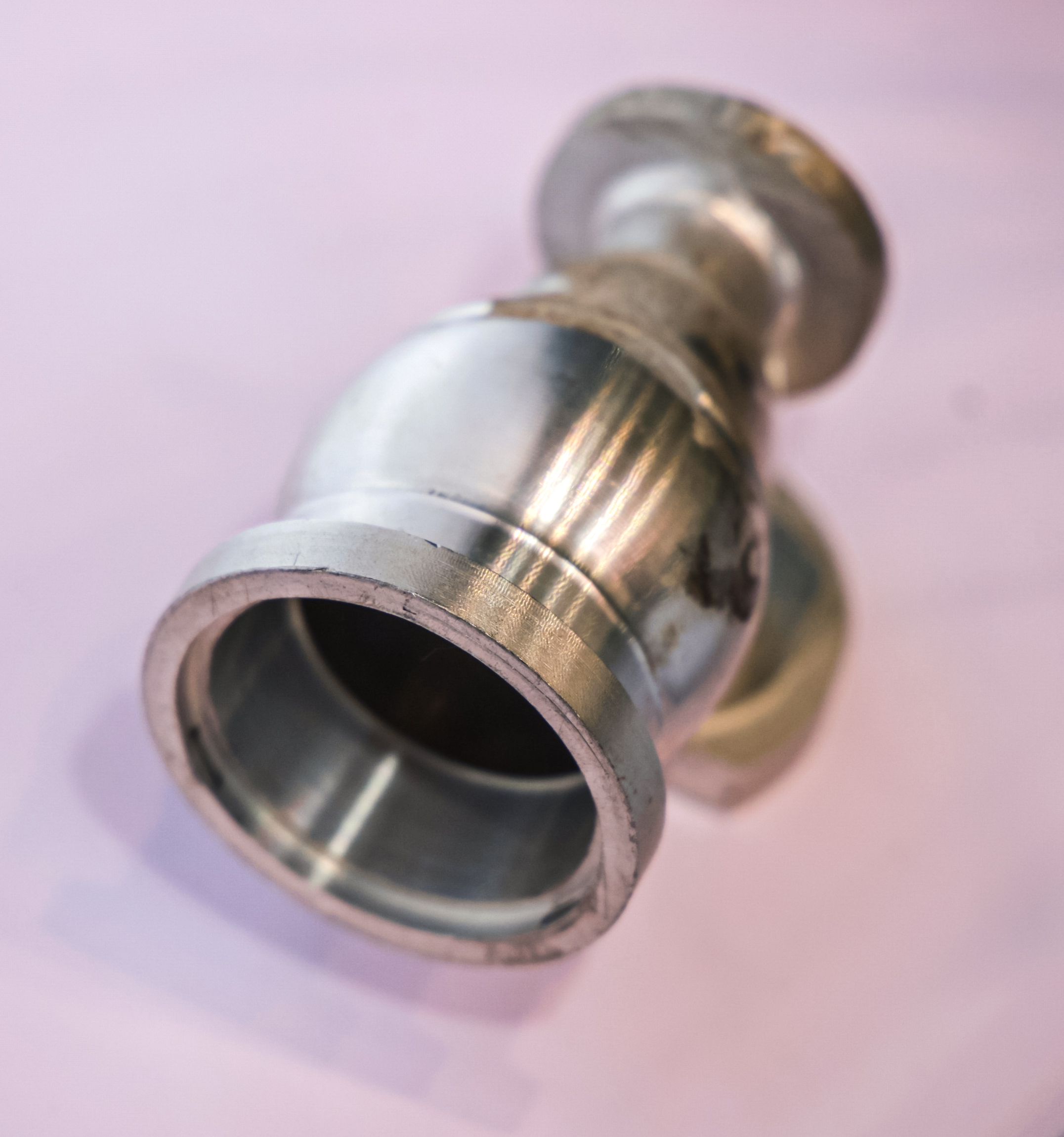
Optimizing Performance-Driven Designs with Topology and Lattice Optimization
Innovative Design that Defies Conventional Parameters and Materials
With Metal printing, traditional manufacturing constraints are no longer applicable, including draft angles, uniform wall thicknesses, and tool access. Designers no longer need to compromise their designs. As a result, engineers can utilize topology optimization methods to craft more responsive parts to loads. Materials are added as necessary and the skeleton is comprised of the most efficient topology to meet the desired requirements of strength, rigidity, or thermal control. Some new components meeting desired structural performance expectations while reducing their weight by as much as 60-70%. In industry, advanced cooling systems, bespoke lattice structures with variable densities, and natural struts are improving performance in temperature control, shock absorption and reducing vibration. These improvements are critical in aerospace industries where weight savings are necessary, the energy sector where efficiency is paramount, and in medical devices that require reliable operation across many structural and thermal states. We're now designing structures more optimally and removing superfluous material instead of just designing it to be structurally sound at the desired performance.
In Situ Strain Mapping and Phase-Field Modeling as Tools for Data-Driven Lattice Design
Lattice structures have advanced significantly in recent years. Patterns in previous generations of lattice structures were often unoptimized and treated the same. Now we see smart structures with spatially varying functional designs based on large scale physics and real test data. In conjunction with engineering the lattice structures. A design for the lattice structures may be created based on where impacts will be absorbed (auxetic structures), where stronger/supportive structures are needed (octet truss structures), and where loads will be applied. This design methodology has shown an increase in energy absorption of 30% compared to a traditional uniformly used design. A digital twin has the ability to validate and test a design before it is implemented. Because of this design methodology, “feedback loops” are created where designs become more optimized and accurate as the mechanical response processes are predicted with a higher certainty.
Targeted Alloy Development Through Metal Printing
Engineering Microstructures Within Alloy Systems: Ti-6Al-4V, Inconel 718, and AlSi10Mg
Due to improved control over the solidification and thermal pathways dictated by the process, metal printing enables microstructural engineering within critical alloy systems. Take Ti-6Al-4V for example. Layered additive manufacturing enables a stable alpha-beta phase balance that improves the resistance to high cycle fatigue for this alloy by 40% when compared to the wrought or cast versions. For Inconel 718, the ability to control cooling rates leads to a fine and even dispersion of gamma prime precipitates throughout the matrix, improving the alloy's creep resistance at temperatures greater than 600 degrees Celcius. AlSi10Mg is also improved by this design philosophy. The rapid solidification alters both the shape and distribution of the silicon phase, improving ductility by 25% (along with good levels of hardness, which is critical for lightweight design).
Starting from the bottom as Printable Powders to Materials Tailored for Performance (ie. Oxygen Controlled 316L for Implants)
The journey of high-performance results starts with engineered powders: gas atomized, spherical particles (15-45 plus m) bring consistency with flow, packing density, and stability of the melt pool. For implant-grade 316L stainless steel, oxygen content is kept under 200 ppm strictly to control the formation of oxides that would cause inclusions affecting biocompatibility and the fatigue life. Further processing enhances performance:
Stress-relief heat treatments attack the problem of residual/locked in stresses caused by thermal gradients.
Hot isostatic pressing (HIP) removes internal porosity and increases the fatigue threshold.
Plasma nitriding or electrochemical polishing improves surface resistance to corrosion.
The control of the entire process yields materials with 50% better osseointegration in preclinical studies than the traditionally processed 316L— exemplifying the importance of powder characterization, process workmanship, and post-treatment for the intended clinical outcome.
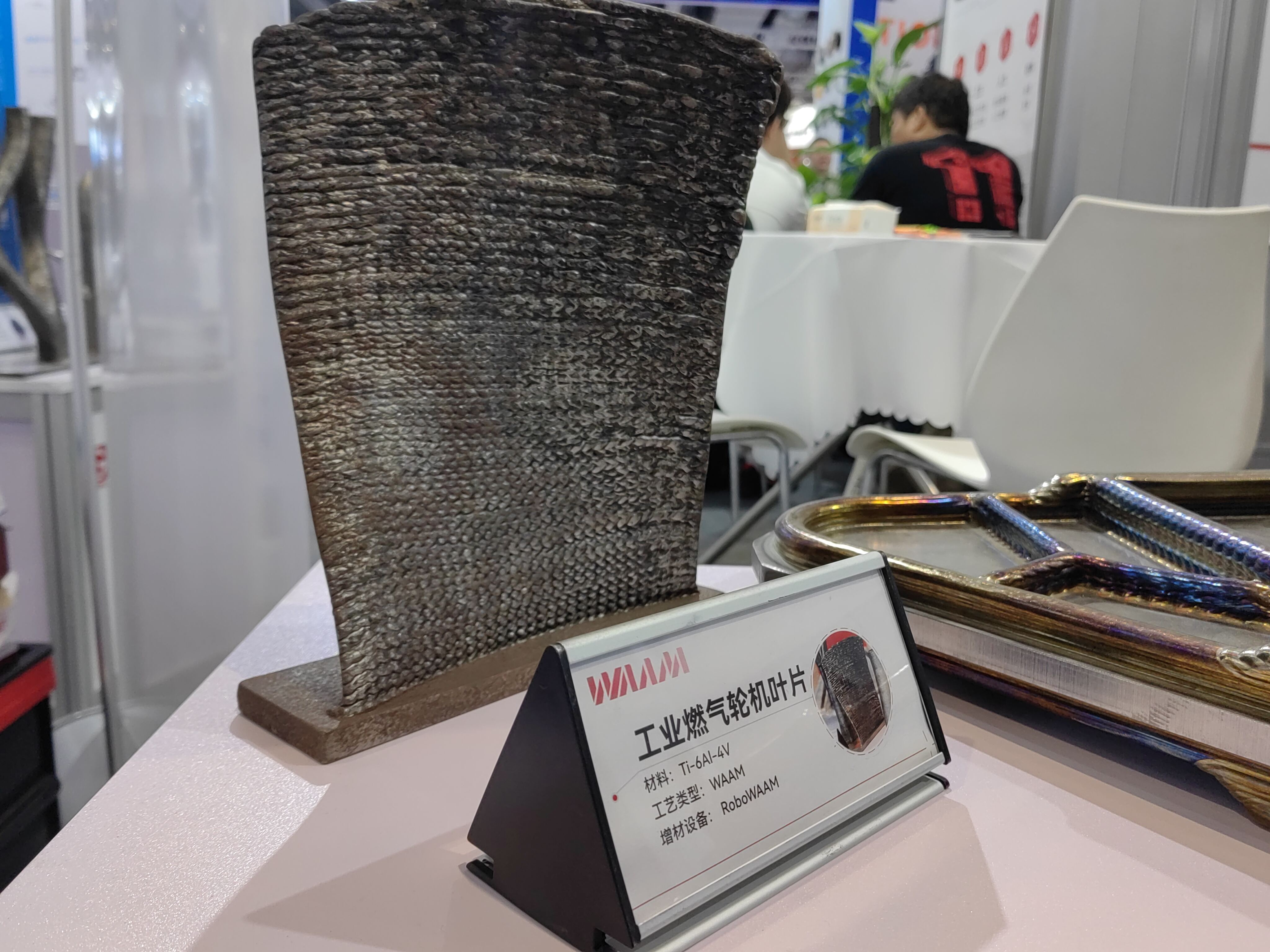
Control of Microstructure and Properties via Strategic Selection of Processes in Metal Printing
Big Change is coming in the Metal Printing industry with the development of the printing methods: Selective Laser Melting (SLM) and Directed Energy Deposition (DED). These techniques give users the ability to tailor the microstructure of the printed materials, focusing on the distribution of solid states and phases of the metals while printed. Inputs to the processes of DED and SLM produce many different and controlled outcomes in the final material. These inputs include: laser power, scan speed, and layer thickness with power inputs of 200 to 1000 W, speeds of 0.5 - 15 m/s, and thickness of 20 - 100 μm, respectively. These controlled outcomes include, but are not limited to, the size of the structure’s micro-grains, phase structures, and defects present. SLM is known to produce ultra-fine microstructure materials of the highest standards and regulations needed for the conducting materials of aircraft engines where fatigue properties are the biggest concerns. DED is completely different in the FAST. DED is able to produce extremely industrial high quality small to large structures with the casting in the print of multiple metals due to the manipulation of energy during the print. The most qualitative information about these processes states that users are able to establish correlations not previously present between properties of the materials and the processes employed and most qualitative information states that these processes reduce the time needed to mechanically certify printed parts by 2/3. This claim is true when the parts are designed by the users to fit the standards and regulations of the ISO/ASTM and standards for testing mechanical properties of tensile strength, fatigue properties, and crack resistance.
FAQs
What is metal printing and how fast does it facilitate material validation?
Metal printing, primarily for rapid prototyping, enables manufacturers to create and assess new alloys concurrently through additional processes, shrinking development time from months to days.
In what way does metal printing enhance development for specific alloys like Ti-6Al-4V?
Metal printing enables targeted microstructure engineering through recorded thermal history and controlled solidification, which improves microstructures and significantly enhances properties like fatigue resistance.
What advantages come with applying topology and lattice optimization in metal printing?
Metal printing enables the use of topology optimization and lattice structures, which result in lighter and more efficient parts, thereby improving performance in industries such as aerospace, energy, and medical.
What benefits arise from closed-loop integration within the metal printing processes?
Closed-loop integration improves the predictability of the material’s microstructure and mechanical performance, enabling the strength and flexibility of the material to be estimated without the need for physical testing.