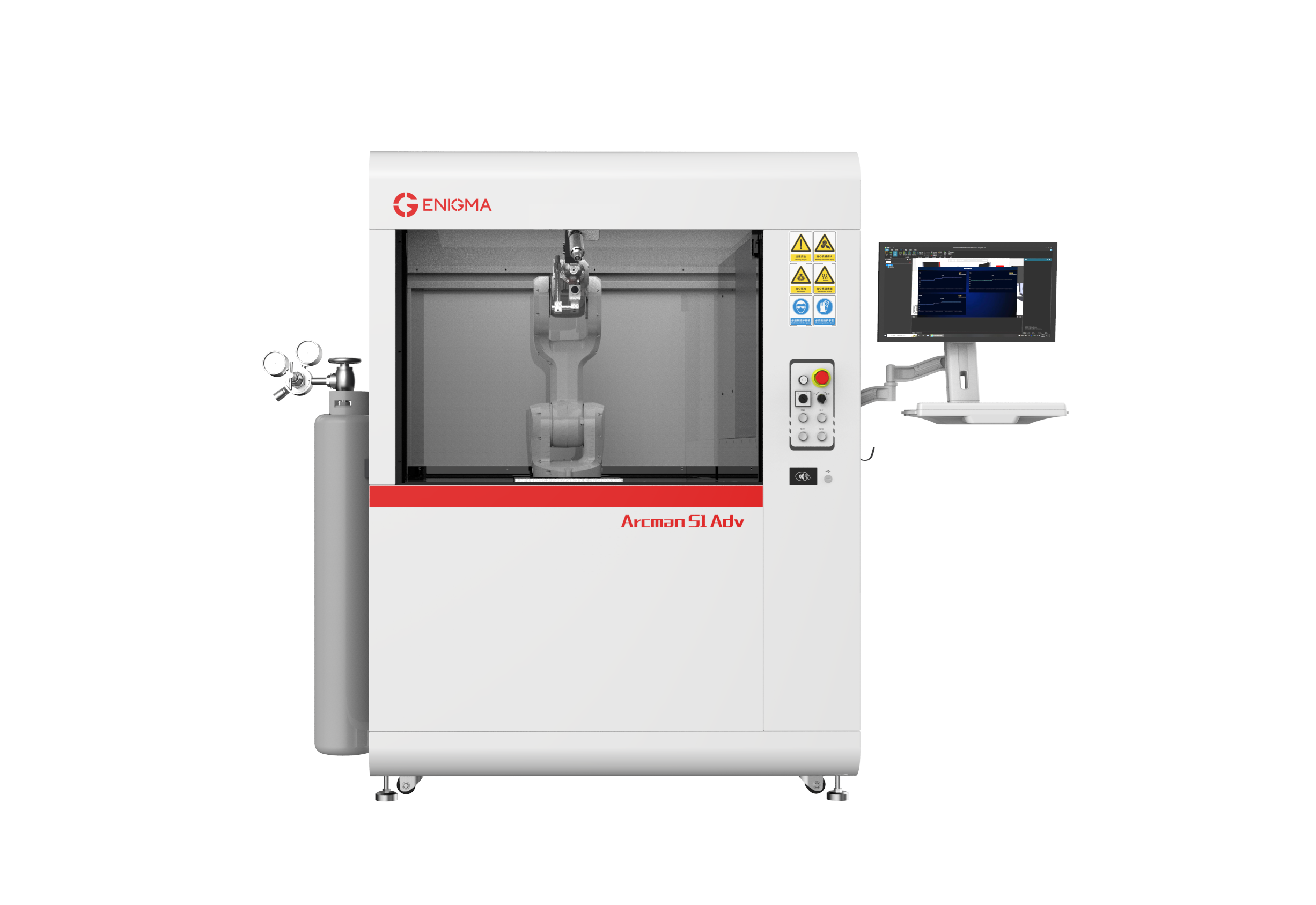
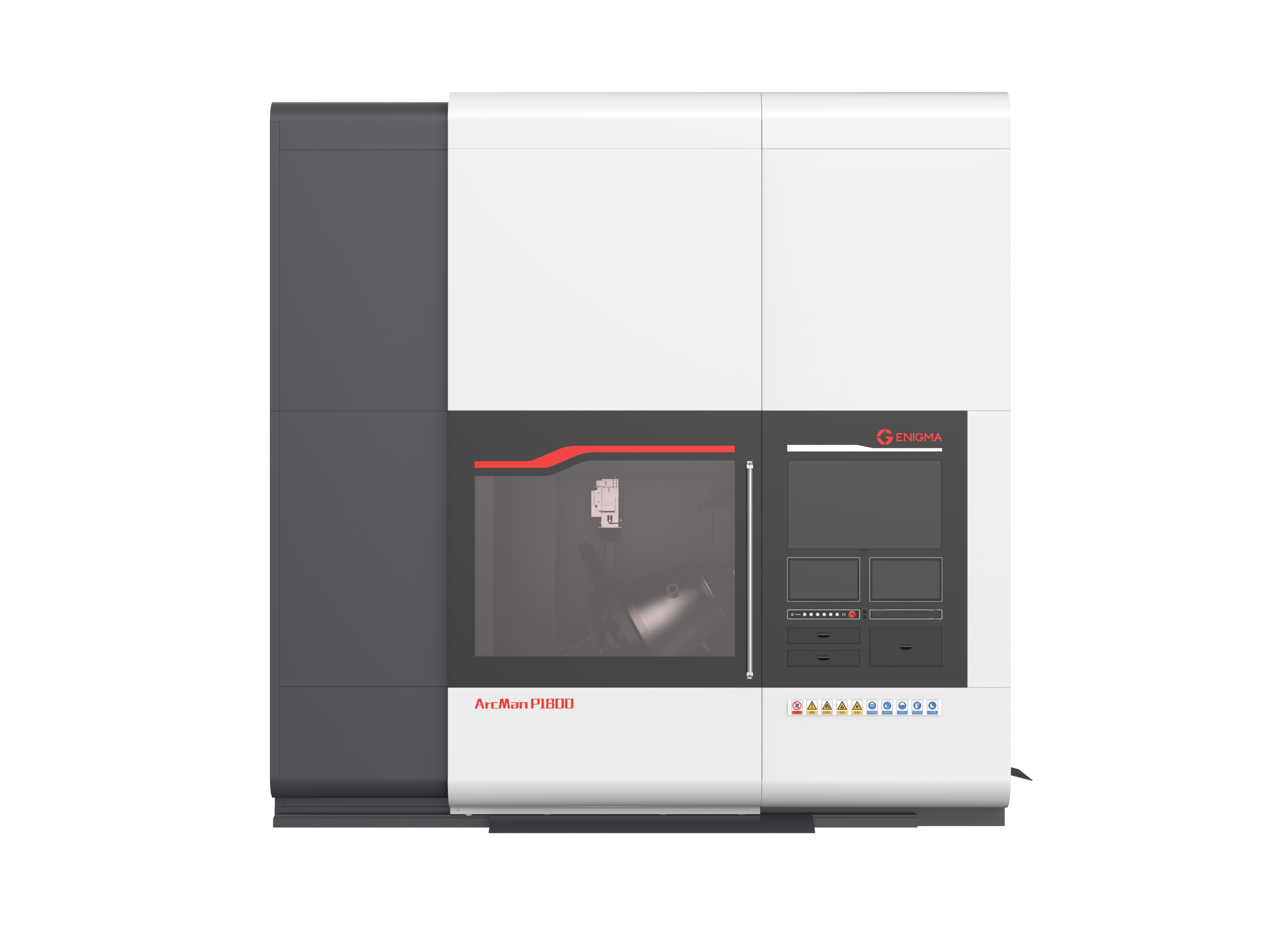
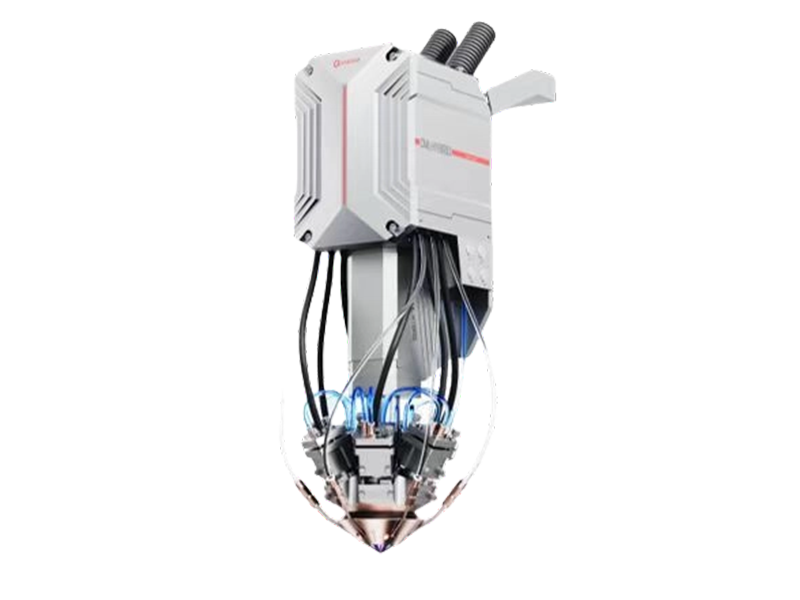
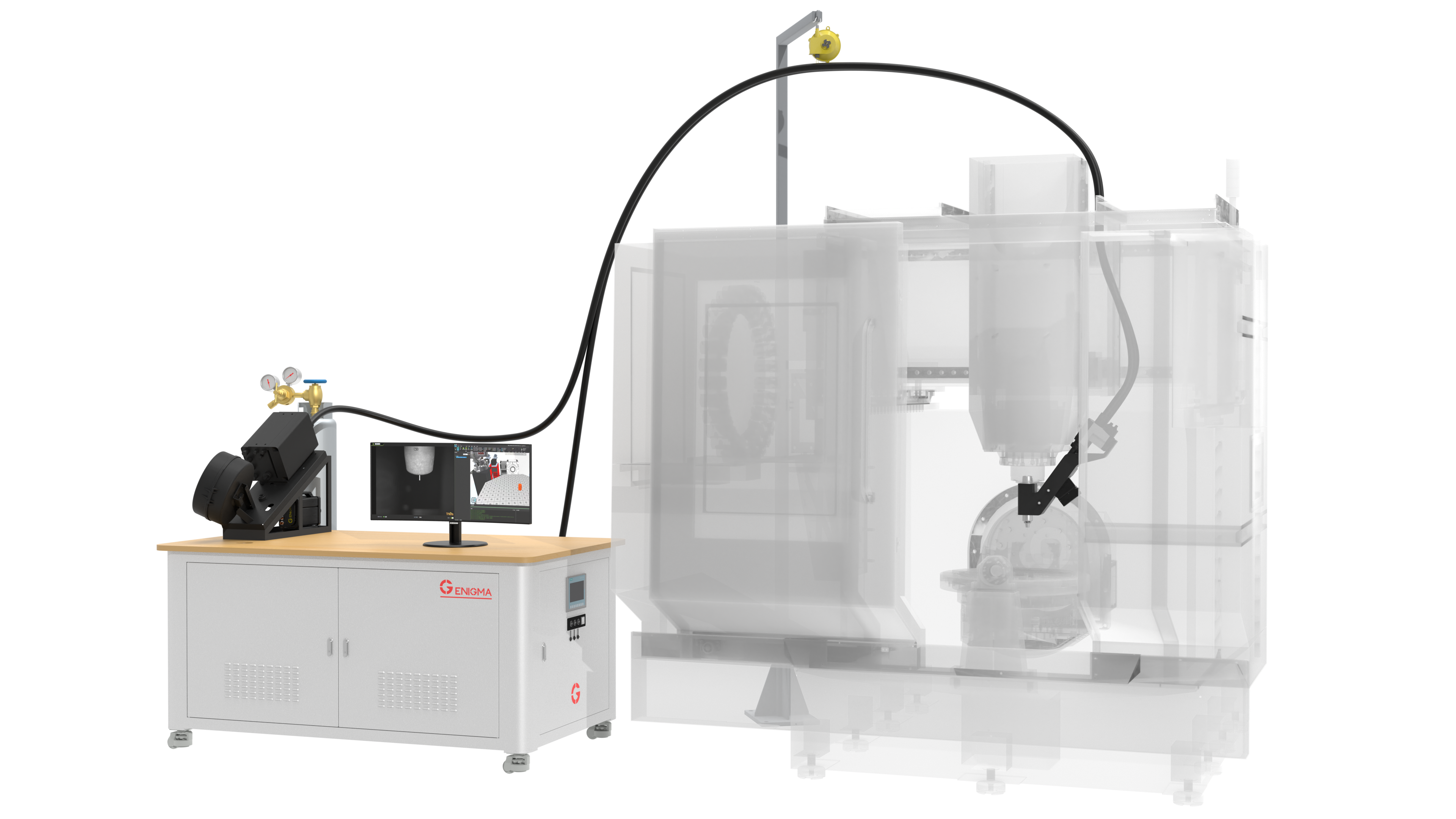
Recent advancements in technology and in material science have sparked new opportunities, with additive manufacturing gaining popularity with each passing day. An example can be seen with Enigma-DED (https://www.enigma-ded.com/), a leader in advanced additive manufacturing technology. They use DED techniques (Directed Energy Deposition Method) and spread her use in the additive manufacturing industry. The revolution that the use of 3D printers adds to the material science industry assists in the superficial modification of the mechanics of materials, enabling scientists to change the properties, composition and uses of several materials. There is a rapid increase in the technology used in additive manufacturing to modify and develop new materials. The new materials have unlimited potential uses in various industries.
Additive manufacturing has a well-deserved reputation as one of the most innovative and advanced tecnologies, primarily because of its extraordinary capability and potential to revolutionize new material creation. The field of material science has been limited in the creation, research and modification of new materials to the lack of a means to use. For years, traditional manufacturing used a homogeneous approach for the materials. This approach made the blending of materials used in traditional manufacturing challenging. The strategies in the new approach used in traditional material science has revolutionized the field and offered new opportunities in the field.
Today, improvements and changes to additive manufacturing continue to be made. One important benefit of additive manufacturing is how it handles complex and dense arrangements of various metals and streamlining the manufacturing workflow. Moreover, the hybridization of metals opens the door to innovative engineering material design.
Take Enigma-DED as an example of additive manufacturing; it is able to produce novel engineering material systems called "functionally graded materials," which are offered in one piece. One is able to achieve varying degrees, in a gradient fashion, of important structural and functional properties such as hardness, heat resistance, and thermal and/or electrical conductivity. For example, a middle piece may have a heat-resistant ceramic core with a flexible metal cover on the outside. This personalized design approach meets extreme and specialized engineering goals, such as those found in the aerospace industry, and medical devices, particularly in the lightweight, strong, and biocompatible metals. Additive manufacturing allows us to escape the cage of traditional manufacturing processes and materials.
The design and iterative processes that come with the development of a new engineering material are often complex and arduous. Usually, the processes are filled with long cycles of product engineering that are filled with time sinks and labor cycles. Additive manufacturing eliminates these time sinks and labor cycles through rapid prototyping and on-demand testing processes that allow the workflow to become hyper-productive.
At Enigma-DED, we use additive manufacturing to test the performance of new metals or ceramic materials in just days versus weeks, and we do this in small manufacturing batches. We test the performance of the materials in strength, corrosion resistance, and thermal stability. Moreover, we can quickly render and manufacture adjusted compositions of materials.
This capability of rapid iteration helps to identify design flaws early and incorporate efficient modifications. With the help of advanced 3D printing technologies such as Enigma-DED’s DED, the time required for a complete cycle of a material’s development is significantly reduced. Discarded prototypes cause a loss of raw materials, but this is minimized through 3D printing, which also reduces the overall cost of the material development cycle.
The performance of a material is a result of a combination of factors: its properties, its structure, and the architecture of that structure at the micro and lattice scales. Knowing this, at Enigma-DED we use 3D printing to design and manufacture metal 3D printing systems that the end user is able to control, resulting in materials. With this control, we can create sophisticated and complex microstructures with bonded grains that increase strength by 30% over metals forged by more traditional methods.
One of the main benefits of additive manufacturing is being able to control the metal structures’ porosity. For example, additive manufacturing can produce strong, lightweight metals that have tiny, uniformly distributed pores, a characteristic that is desirable in the automotive and aerospace sectors. However, metal structures can also be designed to be fully solid, which is useful for medical implants and aerospace components that need to be completely sealed. This control of porosity improves the performance and functionality of a material. Lightweight, strong and resilient structures made to the customers of Enigma-DED demonstrate these benefits.
Enigma-DED uses waste-reducing additive manufacturing. With traditional manufacturing, material is wasted at every step of the process. Enigma-DED’s waste of materials drives costs higher.
In contrast with other types of material testing, Enigma-DED's testing has waste percentages lower than 5%. Other testing methods have waste percentages of 50% or more. Legacy methods waste a lot of material, especially expensive elements like titanium alloys and advanced ceramics. The Enigma-DED method saves money and other resources by discarding test pieces after testing.
Moreover, there is a smoother transition from prototyping new metals or ceramics to mass production with additive manufacturing. There is a consistent and uniform material usage. There is no need to overestimate material requirements to account for inefficiencies. For example, when new titanium alloys for aerospace components are produced, no additive manufacturing process is required to trim materials. This helps preserve development of new materials and lowers the overall cost for researchers.
Superalloys, metals, and brittle ceramics are advanced materials. For a long time, specialized applications with advanced materials needed to be processed the traditional way. Additive manufacturing is now changing the way people process advanced materials.
Enigma-DED uses additive manufacturing to deal with brittle ceramics—materials that typically crack during normal working processes. Through optimal temperature control, layer-printed, and crack-prevention mechanisms, additive manufacturing resolves this problem, and brittle ceramics can now be used.
Furthermore, additive manufacturing also allows for the design and production of radiation-resistant metals for the nuclear industry and heat-resistant superalloys for aerospace. In the nuclear industry, metals used are expected to survive severe radiation for a prolonged duration, and superalloys used in aerospace have to maintain their structural integrity during high-temperature operations and survive extreme weather. Additive manufacturing solves a large array of problems in the production of specialized materials and tackles challenges that have existed in various fields such as aerospace and medical devices manufacturing.
 Hot News
2025-06-30
2025-07-04
2025-07-01

 EN
EN