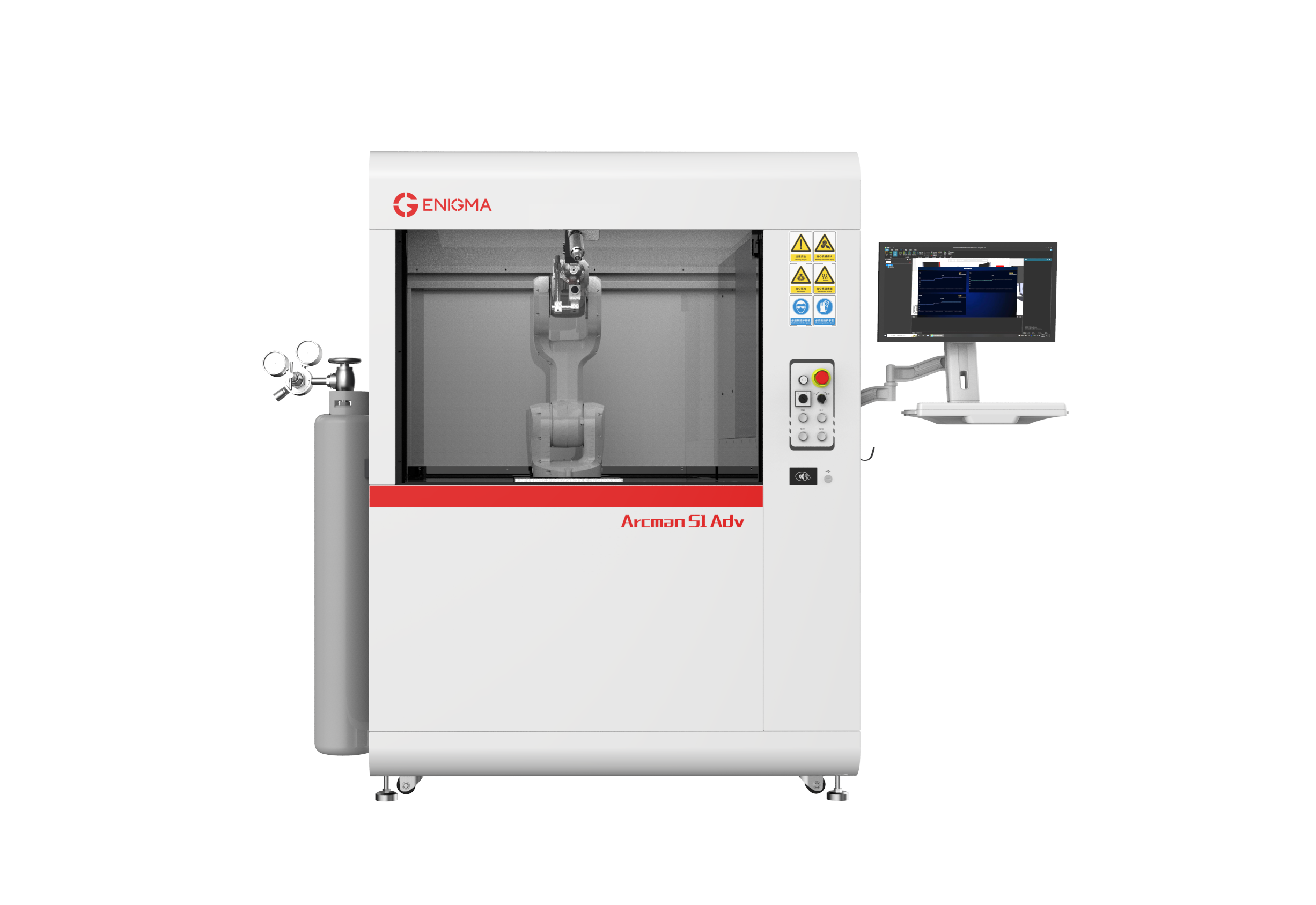
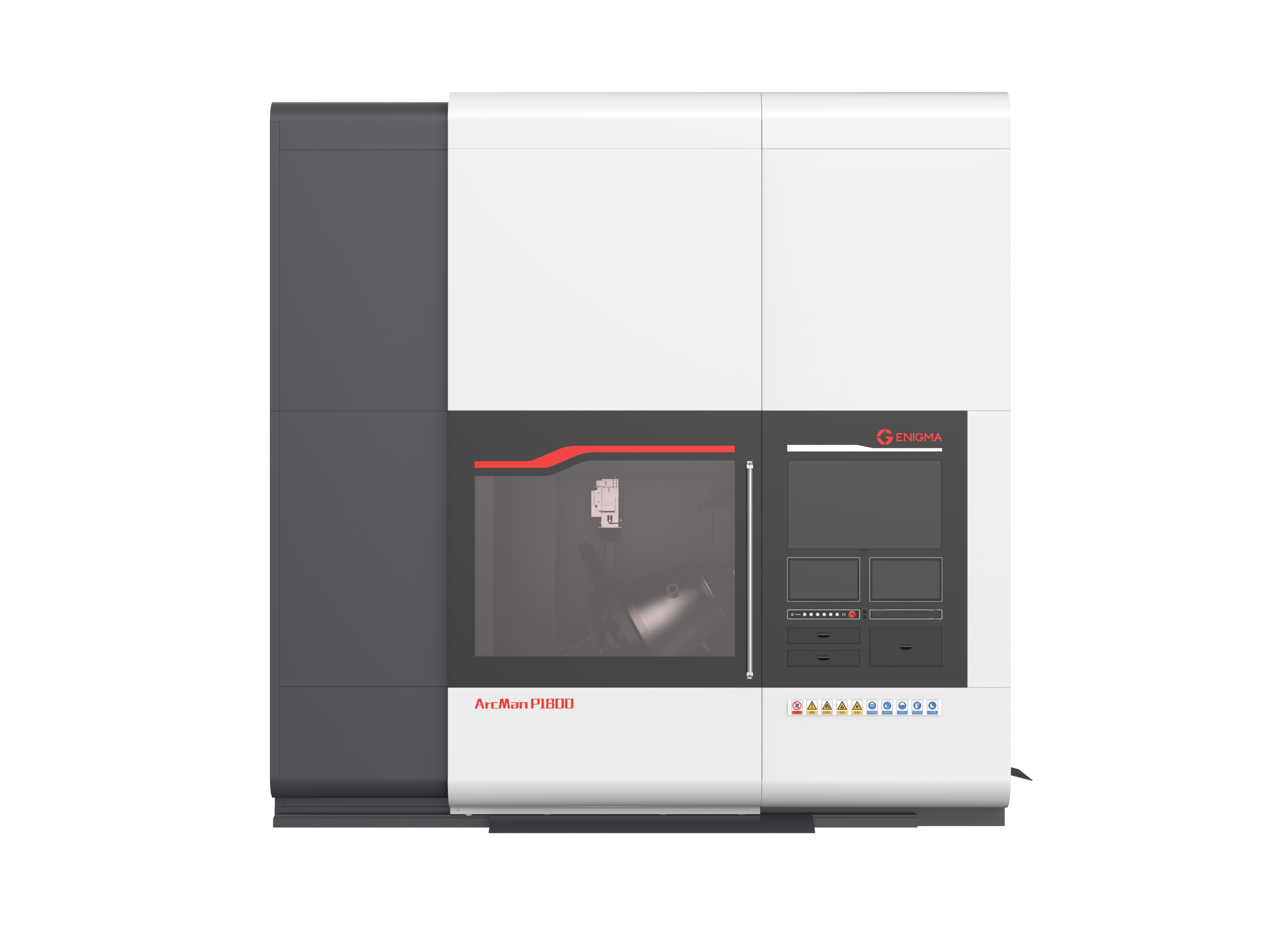
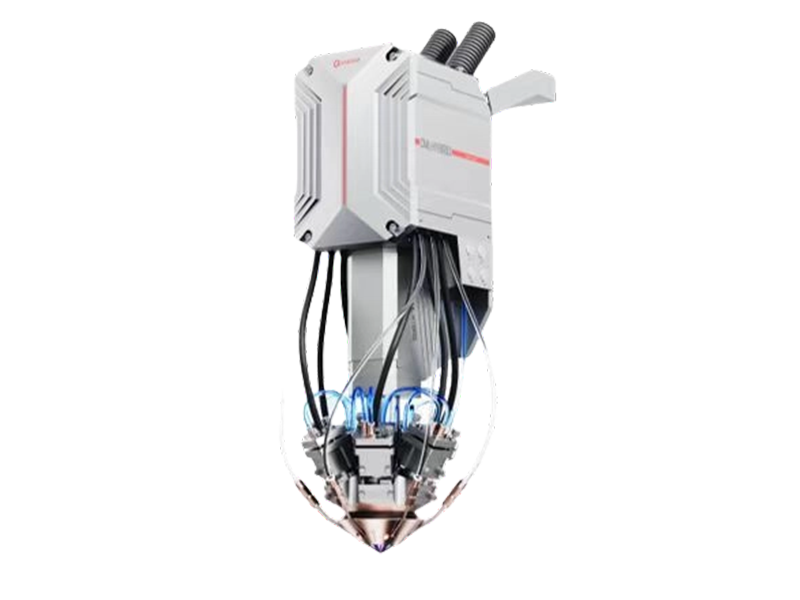
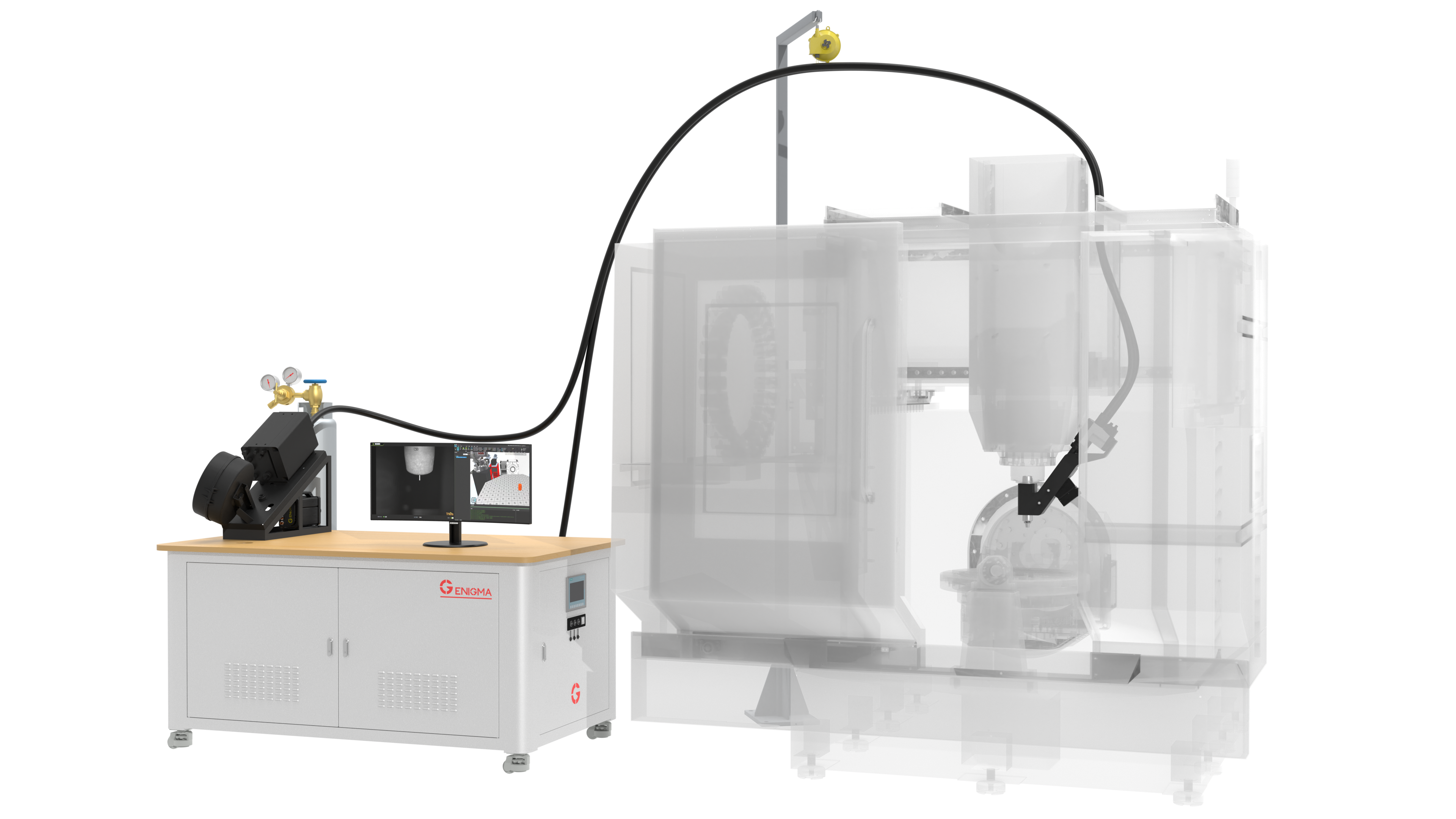
Additive manufacturing, or 3D printing, is changing how metal materials are used and shaped, making production more precise, effective, and flexible. Enigma-DED, one of the industry's leaders in the applied professional manufacturing of 3D technologies, harnesses the potential of metal materials through hybrid heat source technologies. Knowing how additive manufacturing improves the performance of metal is vital if we are to widen the usage of 3D technologies in fields like aerospace, and automotive production, and in the highly mechanized industries.
One of the fundamental impacts of additive manufacturing in propelling the performance of the metal to heights is the use of hybrid heat source technology. Enigma-DED’s hybrid laser-MIG systems, of achieving high stability of the process and the performance of the final metal part, are also a game-changer when it comes to high strength and/or hard-to-process metals. The laser, to achieve stability of the arc, and to serve as a channel to control the arc’s behavior and transfer of droplets. moisture. The controlled interaction creates a stable processing condition, helping to eliminate performance-weakening defects such as porosity and cracking.
The effect of heating the arc increases how much the workpiece of metal can absorb from the laser as well as how much energy can be uniformly distributed in the metal. The dual source of the arc also increases the metal's ability to withstand stress, and corrosion does high heat, making it more useful in extreme conditions. Metal like alloy used in aerospace technology also meets high tensile strength and fatigue resistance, required in the outer structures of an aircraft.
Enigma-DED has an exemplary record in and improves efficiency, in balance, having positive outcomes for additive manufacturing. It is the perfect balance of laser precision and arc efficiency for big, complex structures of metal to be molded while maintaining high levels of detail and material. The technology can switch easily from laser for details and arc welding for bigger parts allowing the balance to prevent excess material and wasted efforts.
Mixed and optimized techniques conducted to mold the metal saves the end metal component from having too much excess, and to use mixed techniques also saves the end metal component from having too much excess. The metal parts like in automobiles stand as testimony as the metal parts used maintain the balance of design and stability all while being lightweight and cheap to energy use.
Metal's performance potential is optimized and limits of traditional manufacturing are lifted with the pairing of materials customization made possible through additive manufacturing. With the capacity to blend and adjust alloys, traditional manufacturing's limitations are iteratively improved. Through the Enigma-DED's hybrid approach to technology, these metal combinations can be focused on with specific parameters such as material ratio and deposition order.
For instance, adding composites with base metal's high-strength sharpness to wear and resistance. This adjustment is beneficial to industrial tooling and machine components. Further customization on of metal alloys tuning to specific application desired parameters such as ductility, thermal conductance, and seepage resistance. This tailored method metal fabrication unstandard results.
The consistent performance of the metal is due to the way additive manufacturing reduces waste and optimizes the use of material. Unlike additive manufacturing, which builds objects layer by layer, traditional subtractive manufacturing has to remove material by cutting out shapes (along with losing material with straight cuts along the outer edges) so there is excess waste. These methods, along with excessive resourcing, can cause structural inconsistencies within the remaining material. On the other end of the spectrum, additive manufacturing builds metal components layer by layer, and uses only the material required to create the component, which maximizes material use efficiency.
In regards to waste reduction, Enigma-DED’s hybrid laser-arc systems use efficient pausing filled with precise material delivery to ensure calculated, uniform metal distributions within the component. These efficiencies develop consistent strengths, as weak structural points from material inhomogeneities are removed. Most aerospace fasteners and medical implants require this consistent material focus in their components in order to meet their demanding performance and safety standards.
Distributing heat optimally during the additive manufacturing process is critical because it enhances the value of the metal being processed and prevents degradation of its quality. Enigma-DED’s hybrid laser-arc technology is one of the best technologies in the field. The laser and the arc work together to precise and to control the amount of heat applied. The laser integrates concentrated and focused heat, while the arc integrates broader and more uniform heating to the surrounding areas. Metals need to not be over processed to avoid problems like grain coarsening, phase transformations, and residual stresses.
During the processing of metals, the metal’s mechanical properties can be compromised. An example of this is its tensile strength and toughness can be reduced. If dual heat sources maintain a certain processing temperature, the DED system will assuredly maintain the metal’s molecular structure, including its mechanical properties and processing temperature. It will be able to preserve its performance level of metals when operating under extreme heat of industrial environments that need a high level of durability.
The value of high performance metals is in its widespread adoption and consistent performance. The ability to preserve metal performance fully drives the value of additive manufacturing. Scalability in Enigma-DED’s hybrid technology focuses on efficiency and laser precision. The system can quickly adjust from small high precision component manufacturing to large volume manufacturing runs without consistently sacrificing metal performance. This allows consistent metal performance to be delivered over a large range of production volumes from custom prototypes to mass production parts.
As these certain types accessible to the consumer goods, automotive manufacturing, and industrial equipment industries, they are reliable and scalable, meaning that consistent performance can be achieved no matter the size of the order. Dual-source heating keeps metals under the same performance threshold, no matter the difference in units. This flexibility allows the optimized metals to be applied to even more industries. High-performing metals are now more accessible than ever to more fields.
To conclude, the additive manufacturing of metals, predominantly Enigma-DED's hybrid heat source technology, benefits from greater process flexibility, greater performance metals, and the sustainable scalable production metals to be applied to even the most complex tasks, at the same time making sustainable production easier. The innovation across the world is driven and the sustainable production is easier the more the technology is advanced, the more the fields of application, the more the performance of the metals is advanced.
 Hot News
2025-06-30
2025-07-04
2025-07-01

 EN
EN