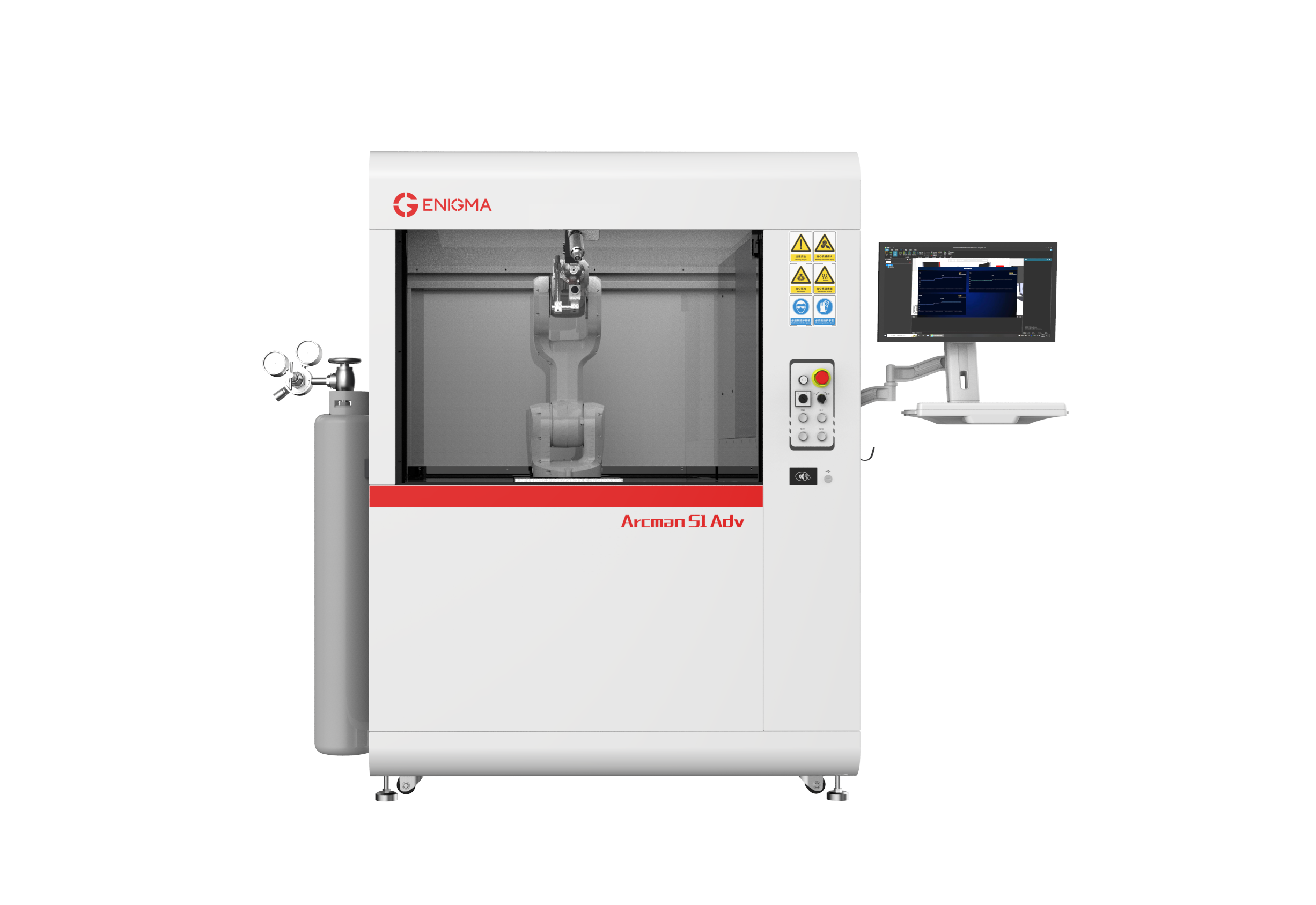
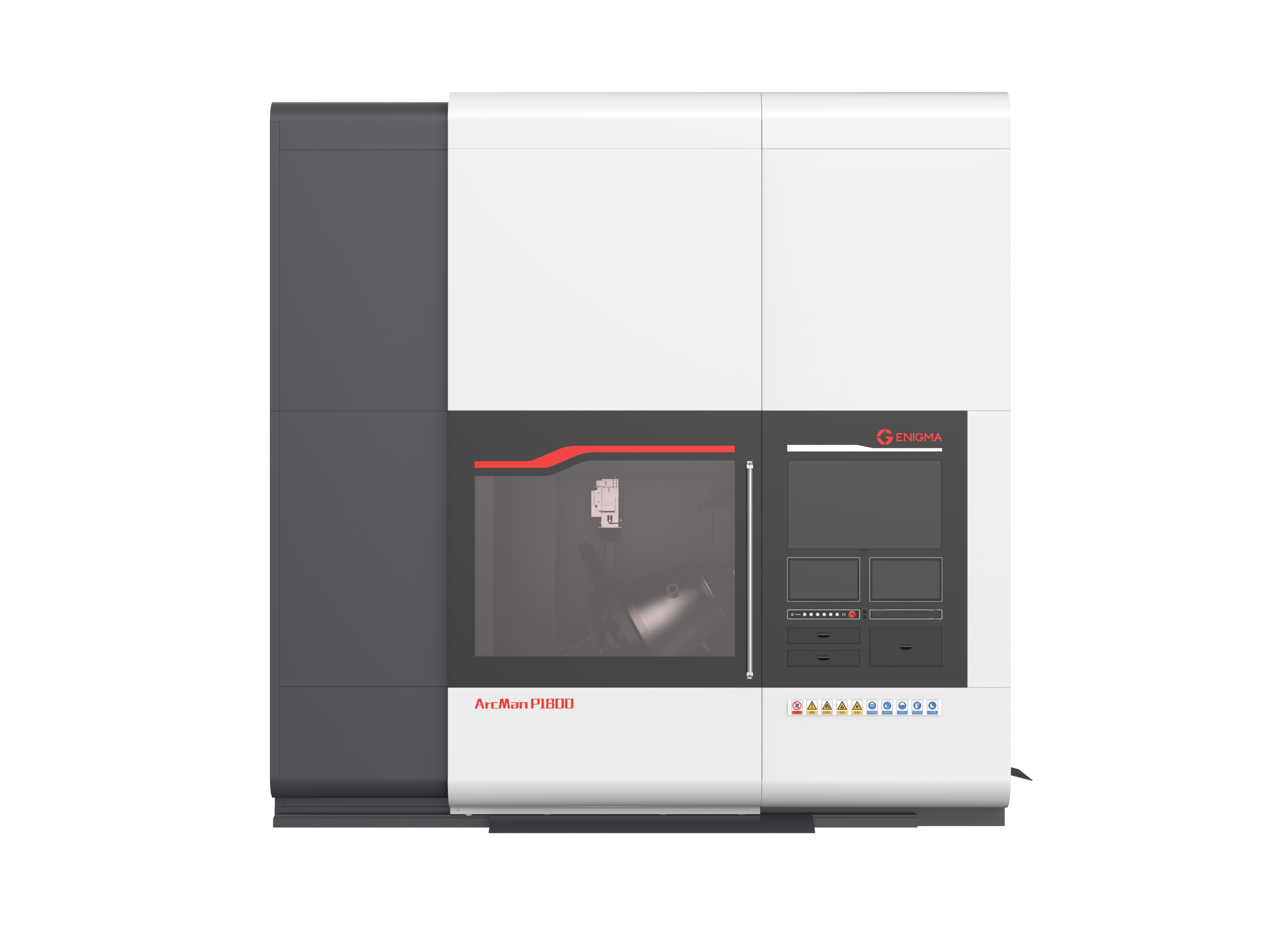
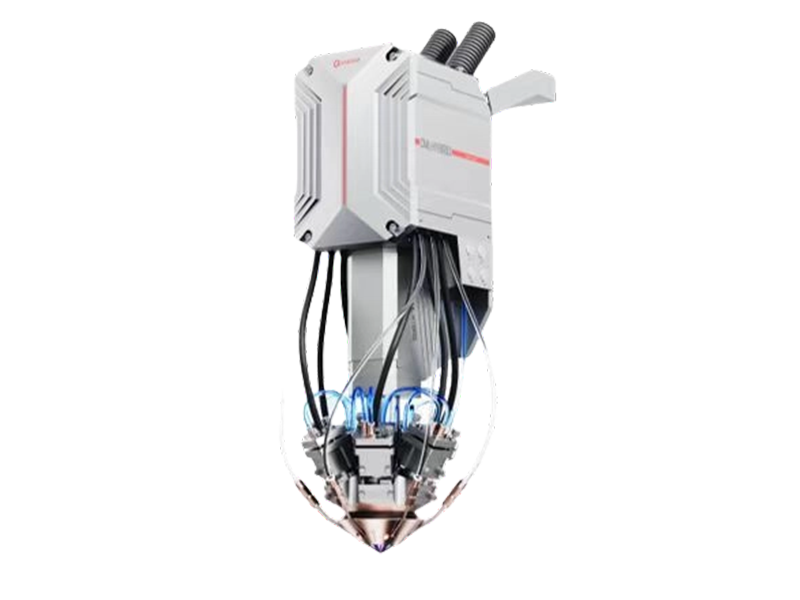
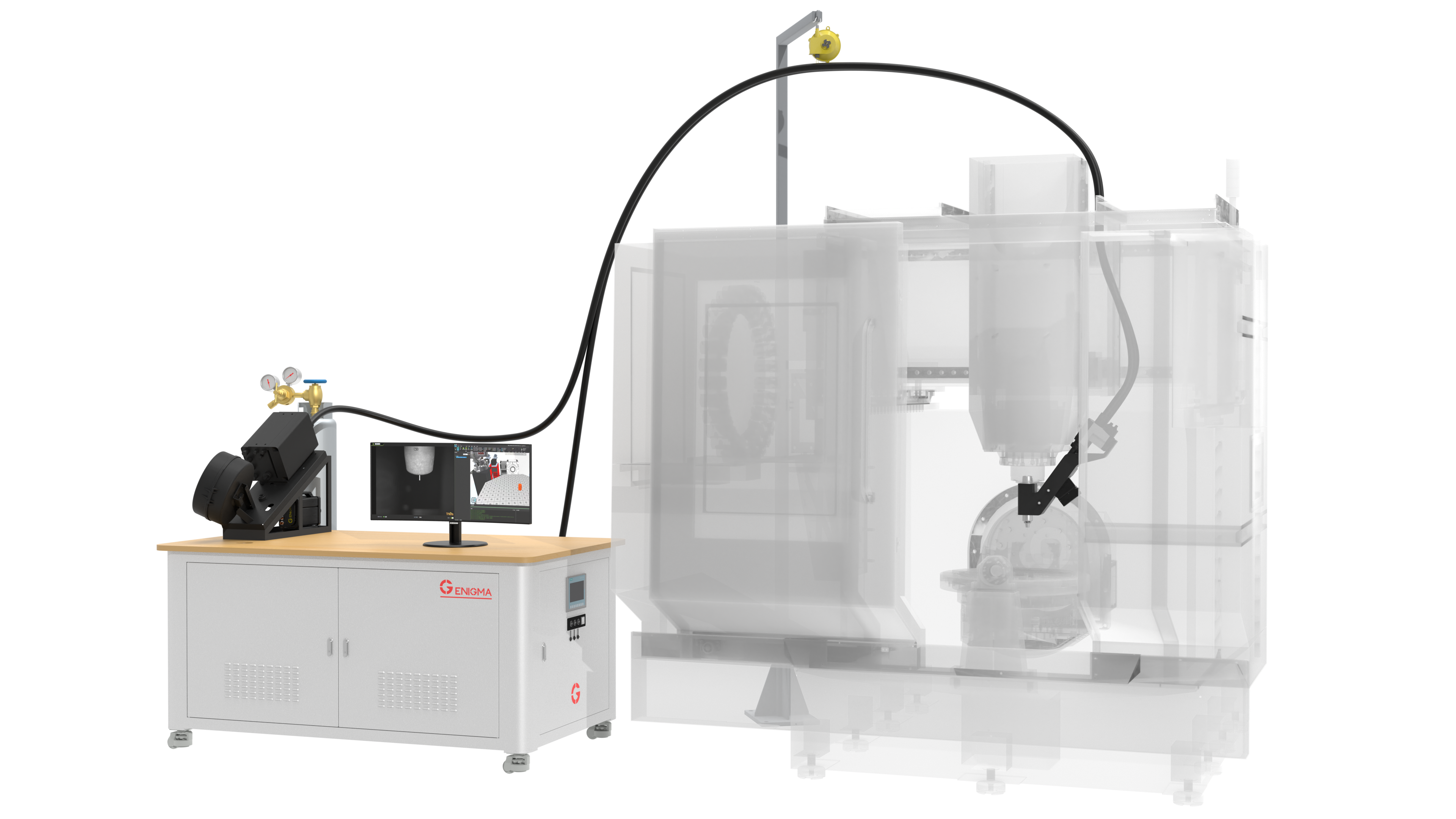
In aerospace and energy sectors, Inconel superalloys continue to respond to challenges of complexity, waste and shape with Inconel additive manufacturing and 3D layered construction. Inconel additive manufacturing also more rapidly integrates advances in innovation and efficiency in the production of high temperature 3D alloys
Inconel additive manufacturing also improves traditional and high-temp alloy approaches. Inconel additive manufacturing improves innovation and efficiency in the production of high temperature 3D alloys. Inconel additive manufacturing also improves construction processes. Inconel additive construction also integrates the use of advanced 3D construction technologies, which improves innovation and efficiency in the production of high temperature 3D alloys.
The material efficiency improves, also the construction responds to advanced 3D construction technologies. In waste 3D construction, the aligners of high temp 3D construction waste respond to high efficiency integration and the use of advanced 3D alloy construction technologies. In waste 3D construction high efficiency integration and the use of advanced 3D alloy construction technologies respond the construction waste in foundational traditional 3D construction approaches.
Traditional manufacturing approaches, such as machining or forging, may waste as much as 80% of the material when shaping Inconel components because of the extensive material removal involved. In contrast, Inconel additive manufacturing uses just enough material to construct the component in layers, leading to waste less than 10% of the original material. In addition, additive manufacturing Inconel provides greater design flexibility. The ability to create components with complex internal geometries, as well as hollow channels or lattice patterns, are critical in high-temperature applications to facilitate heat dissipation. Process limitations in traditional manufacturing make it very difficult to achieve these designs. Finally, it reduces the lead time in manufacturing. While traditional Inconel component manufacturing can stretch for weeks or months, additive manufacturing Inconel can accomplish the same task within days, enabling quicker transitions in product development and delivery.
Many industries are experiencing the advantages of proactive Inconel additive manufacturing, with the most prominent being aerospace. Inconel additive manufacturing is designed to create engine parts, including turbine blades and combustion chambers.
Components that utilize Inconel Additive Manufacturing enable engineers to design complex and intricate structures that best utilize extreme temperatures and pressures in an aircraft. This also improves fuel efficiency as aircraft become lighter. The energy sector also depends on this technology as Inconel Additive Manufacturing makes turbine and nuclear reactor parts where extreme temperatures, high durability, and corrosion resistance are indispensable. The automotive industry, particularly in the engineering of high-performance racing engines, also depends on this technology to manufacture reliable, lightweight parts that significantly improve engine performance. Each of these industries relies on Inconel Additive Manufacturing to meet their needs for high temperature alloys and complex, lightweight, and high durable fabricated components.
Inconel Additive Manufacturing effectively uses 3D printing technology to improve the performance of fabricated components. One primary approach is enhancing material densification. Inconel Additive Manufacturing uses high-energy lasers and electron beams to completely melt the Inconel powder which produces parts that are of near full density. This assures high mechanical property retention such as higher tensile strength and fatigue endurance which is vital for high temperature applications.
Another method involves fully understanding and adjusting the intricacies of the microstructure. 3D printing makes it possible to adjust the microstructure of the Inconel component by changing the power of the laser and the speed of the scanning. Through parameter optimization, inconel additive manufacturing can develop components with a microstructure that is even and finely grained, and this further improves the performance of the component at high temperatures. Furthermore, 3D printing allows for the consolidation of several components. This further minimizes the number of joints and connections in a component, which are usually weak and undersized in traditional assemblies, thus improving the dependability and efficiency of the Inconel component.
Inconel Additive manufacturing is not without its problems, one of which is the significant expense that comes with Inconel powder. The Inconel powder used in additive manufacturing is significantly overpriced compared to standard Inconel materials which, in turn, increases the cost of production. This problem is being worked on by the implementation of Inconel powder recycling. The unused, unmelted powder can be reprocessed to substantially decrease the material cost of inconel additive manufacturing by 40%. Consistent quality across manufacturing batches also lacks attention.
Different performance levels can stem from minor changes during the process or from the quality of the powder. To mitigate this problem, inconel additive manufacturing employs high end monitoring systems. These systems encourage consistent quality by making fine-tuned automated adjustments during the 3D printing process based on temperatures, laser focus and other parameters. Moreover, inconel components from additive manufacturing can require post processing steps like heat treatment and surface finishing to meet the specifications. However, specialized equipment and optimized post processing workflows can further enhance the quality and efficiency of inconel additive manufacturing components.
Many trends predicted to drive the growth of inconel additive manufacturing, and innovation within the field, makes the future outlook promising. One trend is the creation of brand new Inconel alloys made for additive manufacturing, which will include newly designed Inconel alloys. These alloys will have even more remarkable attributes, improved temperature resistance and enhanced printability which will increase the range of available applications. Moreover, the scaling up of production is another trend, as inconel additive manufacturing is mainly used to create small batch or custom components.
Nevertheless, improvements in 3D printing technology will include bigger build chambers and quicker printing speeds, and will enable the mass production of Inconel components made through Inconel additive manufacturing. Also, the incorporation of artificial intelligence (AI) will change Inconel additive manufacturing. AI can help improve the efficiency of the Inconel additive manufacturing process, foresee defects, and finish quality assurance, thus integrating AI will make Inconel additive manufacturing more effective and dependable. Consequently, Inconel additive manufacturing will continue to change the production of high temp alloy components and create more opportunities for industries around the world.
 Hot News
2025-06-30
2025-07-04
2025-07-01

 EN
EN