
 EN
EN
Robotic WAAM Fundamentals: Precision, Adaptability, and Real-Time Control
MetalXL and Closed-Loop Thermal Regulation
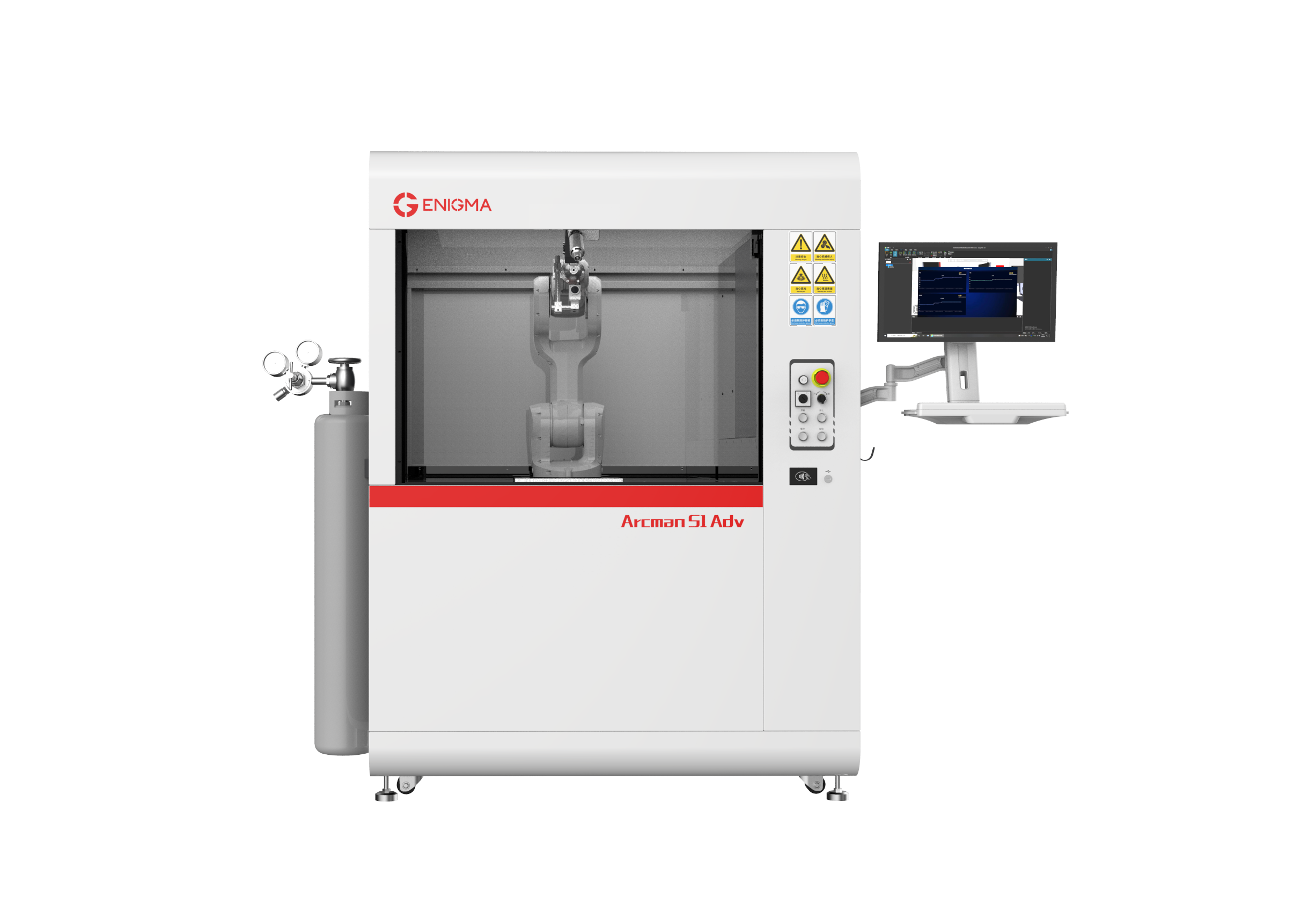
Through MetalXL, Robotic Wire Arc Additive Manufacturing (WAAM) Software can modify welding parameters while welding, offering real-time changes to the metal deposition process. Combined with closed-loop thermal management, the system compensates for heat retention and monitors the input, reducing thermal build-up during the deposition process. This closed-loop system can prevent geometric drift that would normally result in deviations of up to ±0.5 mm in high-integrity applications. This coordinated control preserves the metallurgical integrity of the work while allowing the construction of complex, multi-layer structures.
Motion Planning and Path Optimization for Geometric Complexity in Robotic WAAM
Advanced planning algorithms within MetalXL consider the physics of the deposition process and the geometry of the part in conjunction with the kinematic constraints of the robotic arm. It employs a path and motion optimization algorithm that reduces motion time while ensuring an even distribution of welding beads and layer formation. Advanced algorithms utilize interpolation to fill in contours, cavities, overhangs and complex organic shapes without the need for manual reprogramming. This system allows the construction of geometries that would be impossible with traditional casting, forging, or subtractive methods.
Robotic WAAM and The Future of On-Demand Prototyping for Nuclear and Aerospace
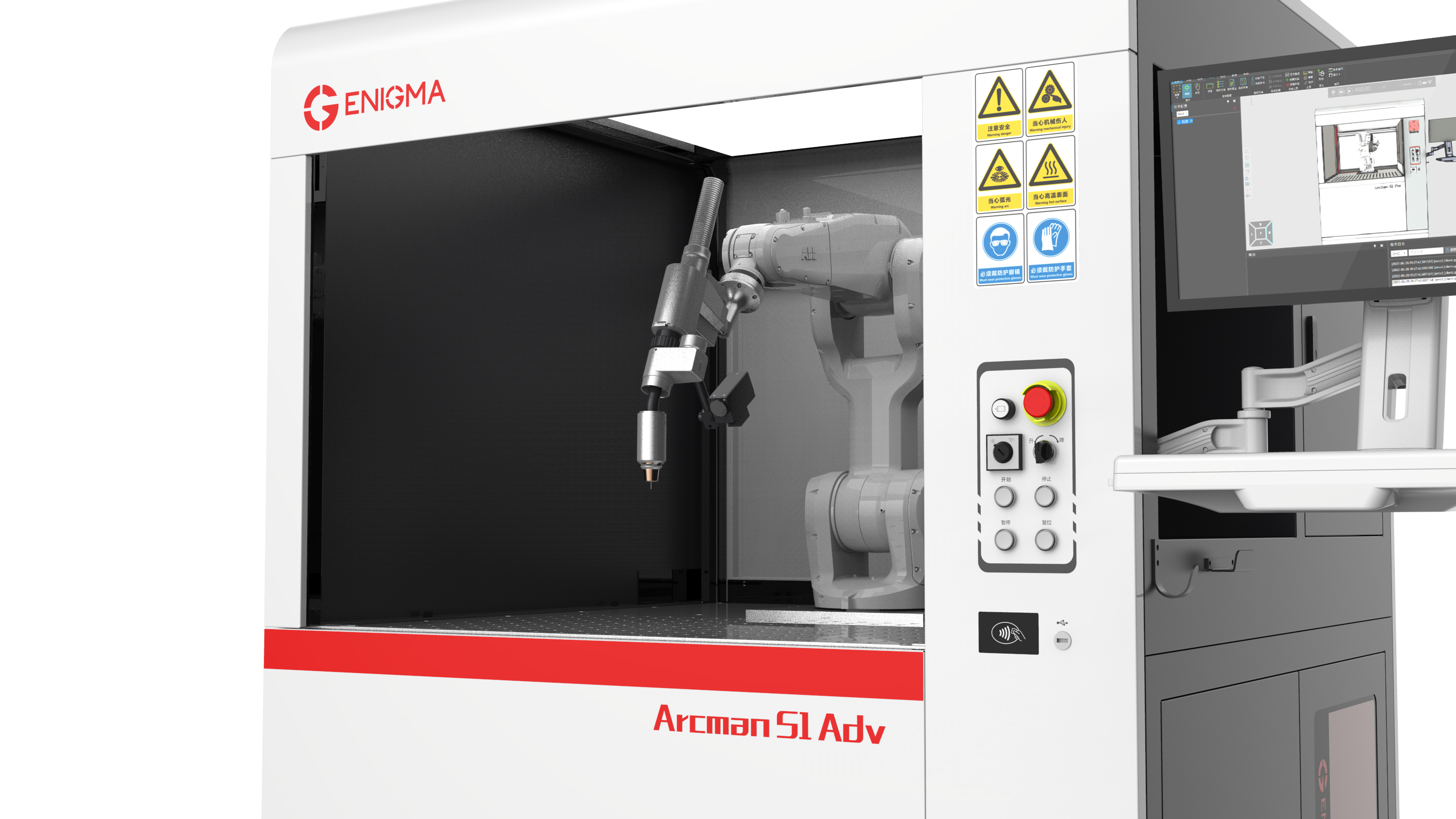
WAAAM's robotic arm can create complex prototypes on demand, avoiding multi-week lead times typically created by casting or forging. This creates major improvements to manufacturing cycle times by producing tools and components in a near-net shape, which then can be autoclaved. WAAM technology can be used in an aerospace environment to generate vacuum-tight tooling at near-net shape. This can also be done for nuclear components, producing impellers directly from a digital model to eliminate waste. A major space agency has used WAAM technology to make rocket engine parts cheaper and faster than the traditional methods. WAAM technology is an excellent tool for aging nuclear systems and designing the next generation of more capable aerospace systems. It allows the creation of multiple, more complex designs, and decreases the time and money to manufacture.
Decreased Lead Times and Manufacturing that is Geographically Dispersed because of Modular Robotic WAAM
WAAM has used smaller modular units to allow manufacturing to be decentralized and shorten the global supply chain. This allows for the avoidance of shipping large, heavy casts around the world, and for manufacturing to occur closer to end users. This system was validated to great success for a major defense contractor, which was able to produce components for their armored vehicles at the point of need, resulting in huge reductions in lead time. These modular robotic WAAM systems require very little tools for operation and can quickly be reset to a different job in a matter of hours. This excellent combination of capabilities allows users to quickly produce low volume and emergency parts as well as prototypes. WAAM's technology allows smaller suppliers to access large production systems, which strengthens the technology and industrial capability across the energy, aerospace, and military sectors.
Design and Lifecycle Capabilities Enhanced via Robotic WAAM
Complex Geometries, Functionally Graded Structures, and In-Process Repair
The use of Robotic WAAM means that designs no longer need to be limited to the use of molds and dies. As such, designs may now be much more complex and may be optimized through topology, along with organic shaped structures. In addition, Robotic WAAM also is capable of creating functionally graded structures in which the composition, microstructure, or grain orientation can be achieved in discrete layers across the material. The regional mechanical and thermal performance can be altered by this grading. In-process repair is also possible with Robotic WAAM, in which components that may be imploded, such as turbine blades, may now be fixed by adding more material onto the existing structure, which then can be machined to fit the original shape. Robotic WAAM can improve the lifespan of these components, and through the reduced need to replace components, Robotic WAAM aids in extending the service life.
Intelligent Automation: Monitoring, Anomaly Detection, and Predictive Control in Robotic WAAM
The use of Robotic WAAM integrated with intelligent automation to provide enhanced reliability and consistency is of great value. Real-time monitoring is able to measure the thermal signature of the structure, bead geometry, and the stability of the arc and the dynamics of the melt pool. Robotic WAAM uses AI to perform analytics that are able to detect anomalies, such as the early formation of porosity, lack of fusion, and misalignment of layers, and to provide closed-loop corrections. Predictive control is able to determine the health of the machine and may be measured through the constructed telematics of the sensors to determine the necessity to perform maintenance. Through these methods, the loss of operational time due to unscheduled maintenance has been reduced by 40%, while quality control may be continued.
MaxQ and Similar Platforms for AI Quality Assurance and Predictive Maintenance
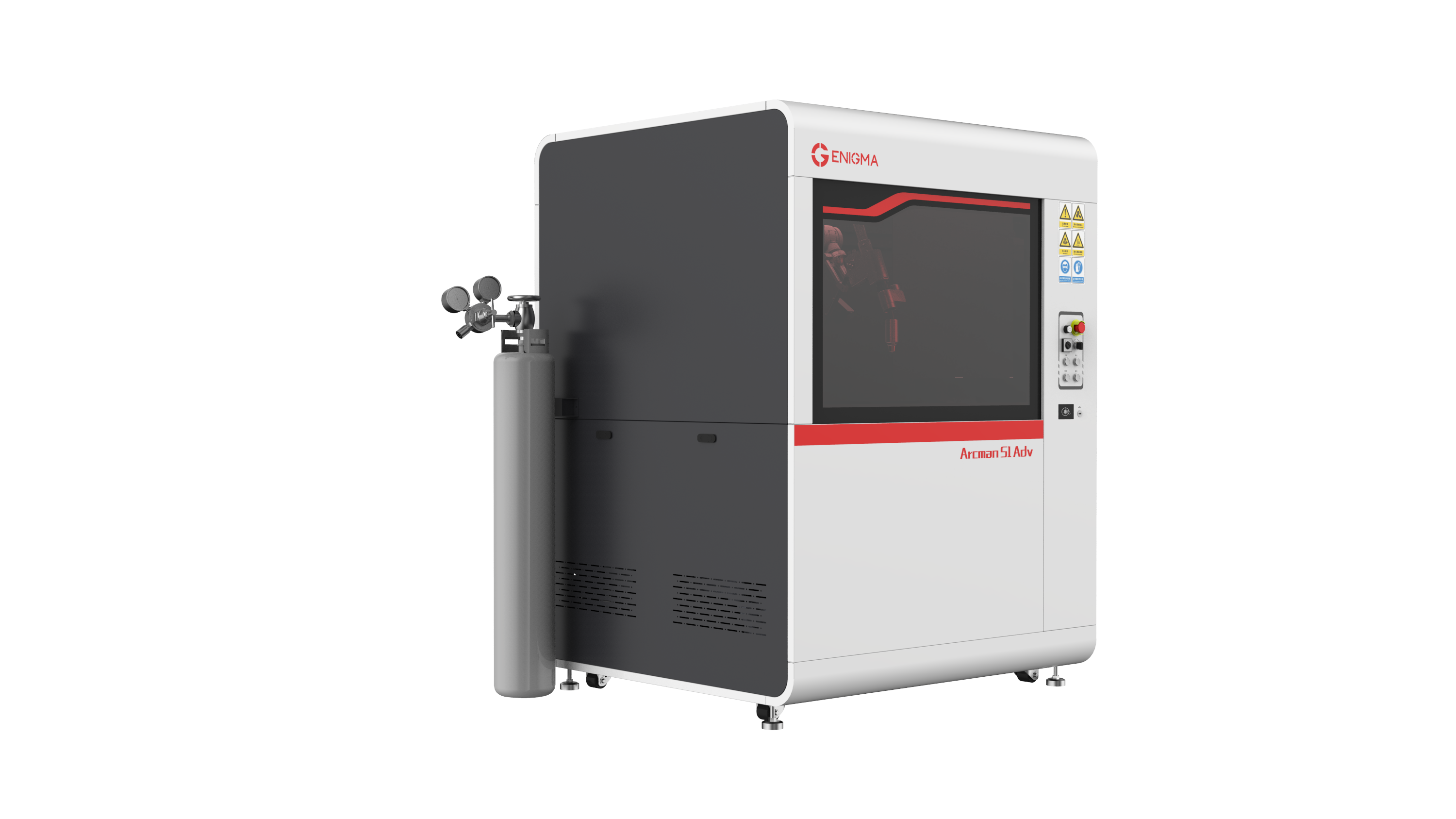
Integrated deep learning systems monitor process and equipment signatures at a resolution and fidelity beyond the capability of humans. MaxQ interprets sensor and actuator signatures—thermal, acoustic, and robotic joint vibrations—compared against past production runs to predict defects even before they manifest. Vibration, thermal, and acoustic signature analyses prevent actuator and subsystem overheating and degrading, resulting in a 25-30% increase in the operational lifespan of equipment and a substantial reduction in the labors of manual inspection. MaxQ ensures quality assurance with fidelity and compliance at a minimal expense.
FAQs
What is Robotic WAAM?
It is a form of advanced manufacturing of metals by robotic systems using a combination of welding and Wire Arc Additive Manufacturing process based on computerized CAD models.
What is the level of precision with WIAM?
Precision control is made possible with the use of closed loop systems of thermal management during the MetalXL software deposition, which is flexible to real-time changes and adaptations.
Can WAAM manufacture complex shapes?
Yes, Advanced path optimization and motion planning enable the manufacture of complex shapes, internal cavities, and organic forms including overhangs without the need for revising motion plans.
Which industries are using Robotic WAAM?
Manufacturing in aerospace, nuclear, and defense industries benefit from the rapid and requestable manufacturing innovations provided by Robotic WAAM.
How is AI impacting WAAM?
The impact of MaxQ, which leverages deep learning to extend the life of equipment, monitor in real-time, and predict failures during the quality assurance processes on WAAM, is profound. MaxQ extends quality assurance and predictive maintenance.