
 EN
EN
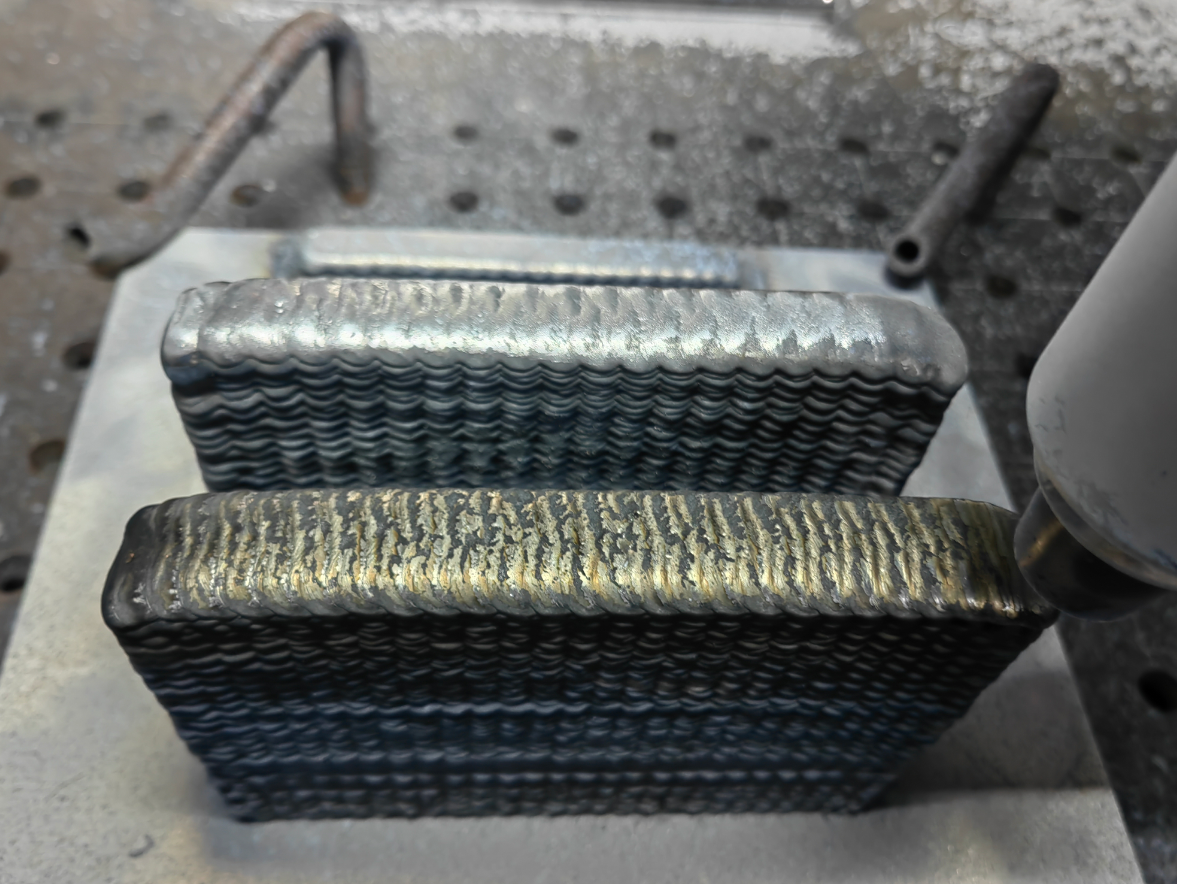
Rapid Prototyping Engineering Rapid Prototyping Engineering Rapid Prototyping Engineering Rapid Prototyping Engineering
Rapid Prototyping Engineering is used to create fully functioning Engineering prototypes. These prototypes are used to validate structural and thermal characteristics and to test user interaction during the Engineering Validation Testing (EVT) phase. With Rapid Prototyping Engineering, the process of design validation testing (DVT) is eliminated. Models that are solid can also demonstrate the limitations and constraints of the manufacturing process and the limitations of material behavior when loading is applied. When compared to the typical process, the use of Rapid Prototyping Engineering reduces the time of initial design validation by 30–50%, and reduces the amount of design modification times by 4–6 weeks.
Example: Rapid Engineering Prototyping Reduced EVT Time by 42% for the Consumer Electronics Industry
42% of the time allotted for EVT for the design of a smart home device was reduced by a leading consumer electronics design company. This was accomplished with the use of a commercial-grade 3D printer to create prototypes. The smart home device required validation for 12 different internal electrical, mechanical, and firmware interfaces, and traditionally required 8 separate prototypes to be produced over a 14 week period. With Rapid Prototyping Engineering, the integrated case prototypes with embedded circuitry were produced in 72 hours. Testing of the prototypes during the EVT phase identified issues of Electromagnetic Interference that are traditionally identified during the DVT phase. This testing compressed the validation process to 10.5 weeks from the traditional 18 weeks and eliminated the need for costly modifications to the prototypes. This example illustrates the significant impact that the use of 3D printing to perform Additive Manufacturing has for enabling the validation of integrated systems.
Rapid Prototyping Engineering Helps Us Test Functions and Usability in the Real World Sooner
Rapid Prototyping Engineering practices take design concepts and make them physical in days rather than weeks. This helps make function and usability testing a part of the actual design process. Before the final tools are made, the design teams can test prototypes to understand how people will interact with the product. Testing real prototypes helps teams understand the true usability of specifications and helps avoid costly failures in the later part of the design process.
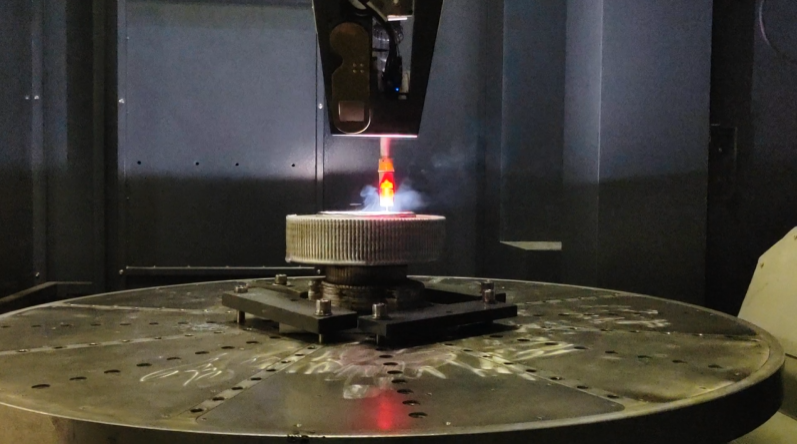
CAD to Physical: Testing Compatibility, Functionality and Design in One Process
Modern CAD systems can be connected directly to rapid prototyping systems to make a physical model out of a virtual design in a few days. This process allows three aspects of the design to be validated in a single process: compatibility (the parts fit together), functionality (the model can hold up to the stresses of use), and practicality (the manufactured model can be made). An example of this process in use would be helping to design an electronic casing that prevents thermal hotspots during use. Integrating all these systems can shorten the design process up to 60% (Industry Benchmark, 2024).
Evidence: 68% of MedTech Startups Reported First-Design Success Using Iterative Rapid Prototyping Engineering
In the 2024 MedTech Innovation Survey, 68% of respondents reported being able to gain regulatory approval and create MedTech devices without major redesigns for compliance by incorporating iterative rapid prototyping to their development process. This enables the creation of the early design so that testing of sterilization, the path of the fluids, and interaction with clinician/patient ergonomics can be done. The startup that designed an IV device prototype and performed a pressure test to check for design leaks, found some design issues that would have been flagged to delay their first clinical trial, and were not found during the computer simulations. By incorporating iterative usage of the interface and providing testing to the end users, these companies saved $150,000 on average per development process and decreased their time to market by as much as 40%. These developments resulted in a greater success at obtaining regulatory approval and a better understanding of what the users required, highlighted by the design of the solution.
Reducing Risk Using Rapid Prototyping Engineering
Finding Critical Interface and Integration Failures During Prototyping
Rapid prototyping engineering provides near real-time feedback regarding integration and interface issues that often go unnoticed in virtual models. A few examples of this would be connector misalignment, thermal coupling between PCBs, or binding issues during actuation. Because these happens in the physical realm before committing to tooling, teams avoid large redesigns that affect the manufacturing process. It has been found that the cost of integration and interface issues after committing to tooling is 92% higher than the cost of issues at the prototyping phase (McKinsey Product Development Report 2023). Functional prototypes can be used to test assembly, maintenance, and service processes and can be used to identify design issues. When exposed to working loads and environmental conditions, models that were previously too abstract become much more manageable by indicating behavior that would need correcting at a late phase of design. Models made with realistic loads are 67% less likely to require design changes during the later phases of design.
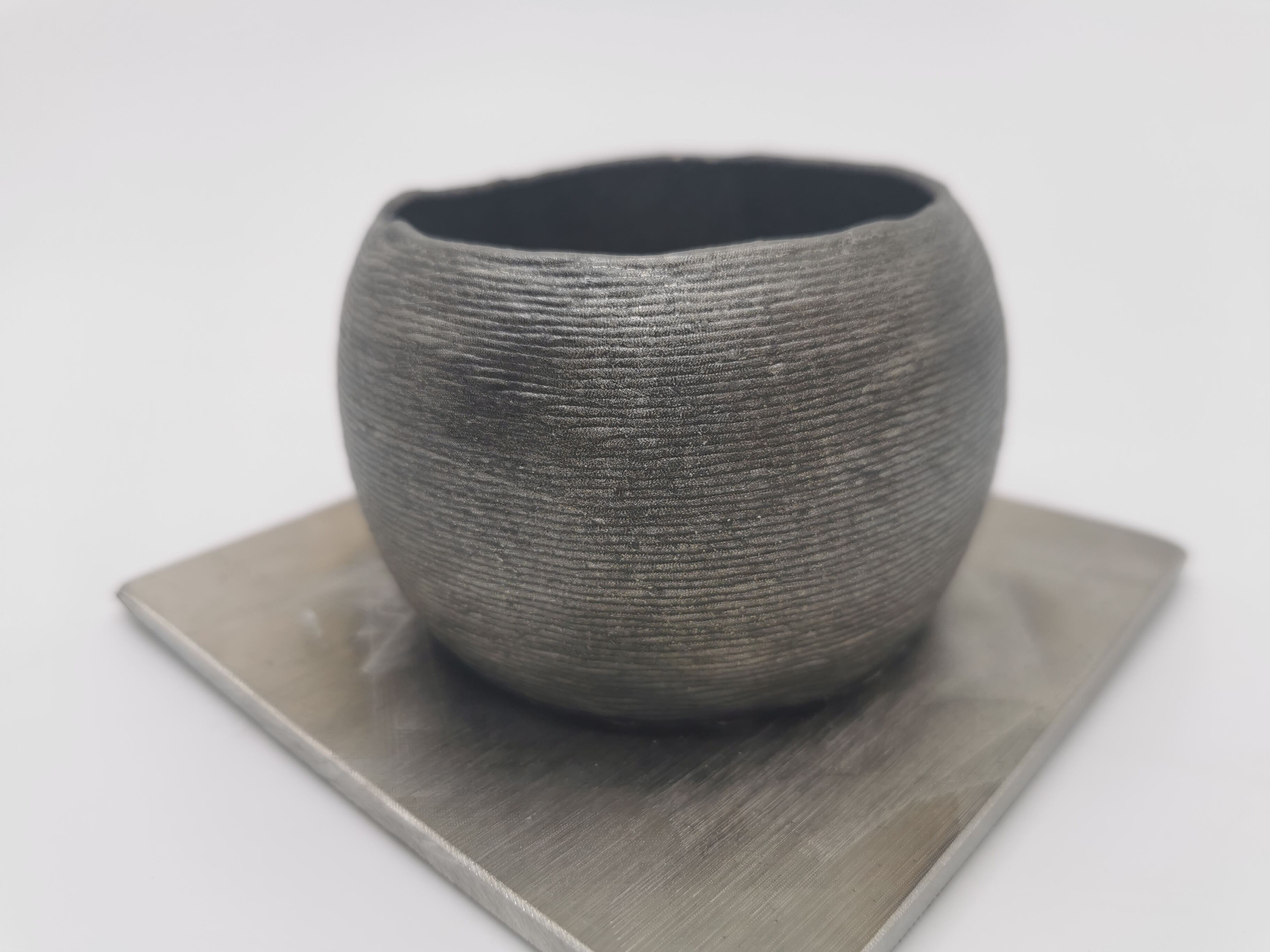
Rapid Prototyping Engineering Strengthens Stakeholder Alignment and Customer Co-Validation.
Prototypes are a universal tool that span multiple disciplines. They help bridge gaps between the design team, the engineering team, the manufacturing team, the investors, and the end users. Whereas CAD drawings and other designs can be static and unmovable, physical models provide a shared context and allow for evaluation and agreement on design elements. Prototypes also allow for customer co-validation. Early stage prototypes are tested with potential end users. This helps evaluate the design of the prototype and helps identify if the prototype and its features align with the current market. Collaborative prototyping is a practice that helps reduce manufacturing changes, increases stakeholder confidence, and improves readiness for market launches. Rapid prototyping engineering transforms the outdated and traditional approach to market validation from an end of development check to a continuous improvement process.
FAQ
What is rapid prototyping engineering?
Rapid prototyping engineering is the practice of using modern manufacturing processes to build real world prototypes early in the product development process to validate design decisions.
How does rapid prototyping shorten validation timelines?
Since design decisions can be validated in real time, rapid prototyping can eliminate the issue of having to wait for product cycles to iterate on previous designs.
What are the benefits of functional prototypes in EVT, DVT and PVT?
Having functional prototypes available can help identify design, manufacturing, and usability issues sooner and can reduce the risk and cost associated with the validation process.
How do prototypes assist with customer co-validation?
Having physical prototypes available can help the target end users provide design feedback and can help align product features with usability and market needs prior to launch.
Which industries derive the most advantages from quick turnaround prototyping? Rapid prototyping serves to reduce late stage design modifications and to quicken time to market in sectors including consumer electronics, MedTech, and industrial design.