
 EN
EN
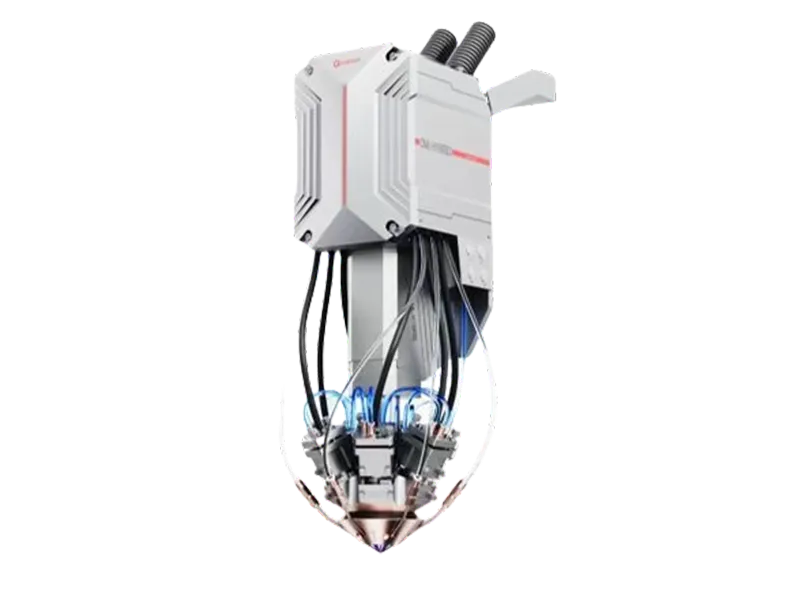
What Is WAAM Wire and Why It Is Important
WAAM wire is the key material for Wire Arc Additive Manufacturing (WAAM), a technique that constructs metal components in a layer by layer fashion by forming an electric arc to melt the wire. WAAM wire differs from CAD-based methods in that it forms the input material and the electrode, which allows nearly full consumption of the material and virtually no waste. This dual functionality reduces the cost of raw materials by as much as 60% while maintaining a 10-15 kg/h deposition rate, one of the most rapid among any metal AM technologies. The wire’s diameter and surface condition are critical for arc stability, precision of deposition, and the integrity of the finished component. In the absence of WAAM wire, large-scale components, such as aerospace brackets or marine propellers, cannot achieve structural integrity. WAAM wire is essential for this cost-effective, efficient and sustainable method of manufacturing because it sustains the arc.
Key WAAM Wire Properties: Composition, Diameter, and Surface Quality
The quality of the material is paramount to the wire arc additive technique, and WAAM wire must meet rigid standards in terms of chemical composition, diameter, and surface finish. If any of these parameters are not controlled, the WAAM manufacturing process will not result in a trustworthy, effective product, and will likely contain porous components.
Structural Integrity and Alloy Requirements
Alloy compositions can vary based on application. Elements in alloys may need to meet specific standards for yield, tensile strength, and ductility for mechanical integrity. For elevated temperatures, alloys with nickel provide solutions, while duplex and stainless steel provide corrosion resistance in marine and chemical processing. Small differences in the relatively small amounts of elements such as chromium and molybdenum can result in phase imbalances and brittleness in the alloy.
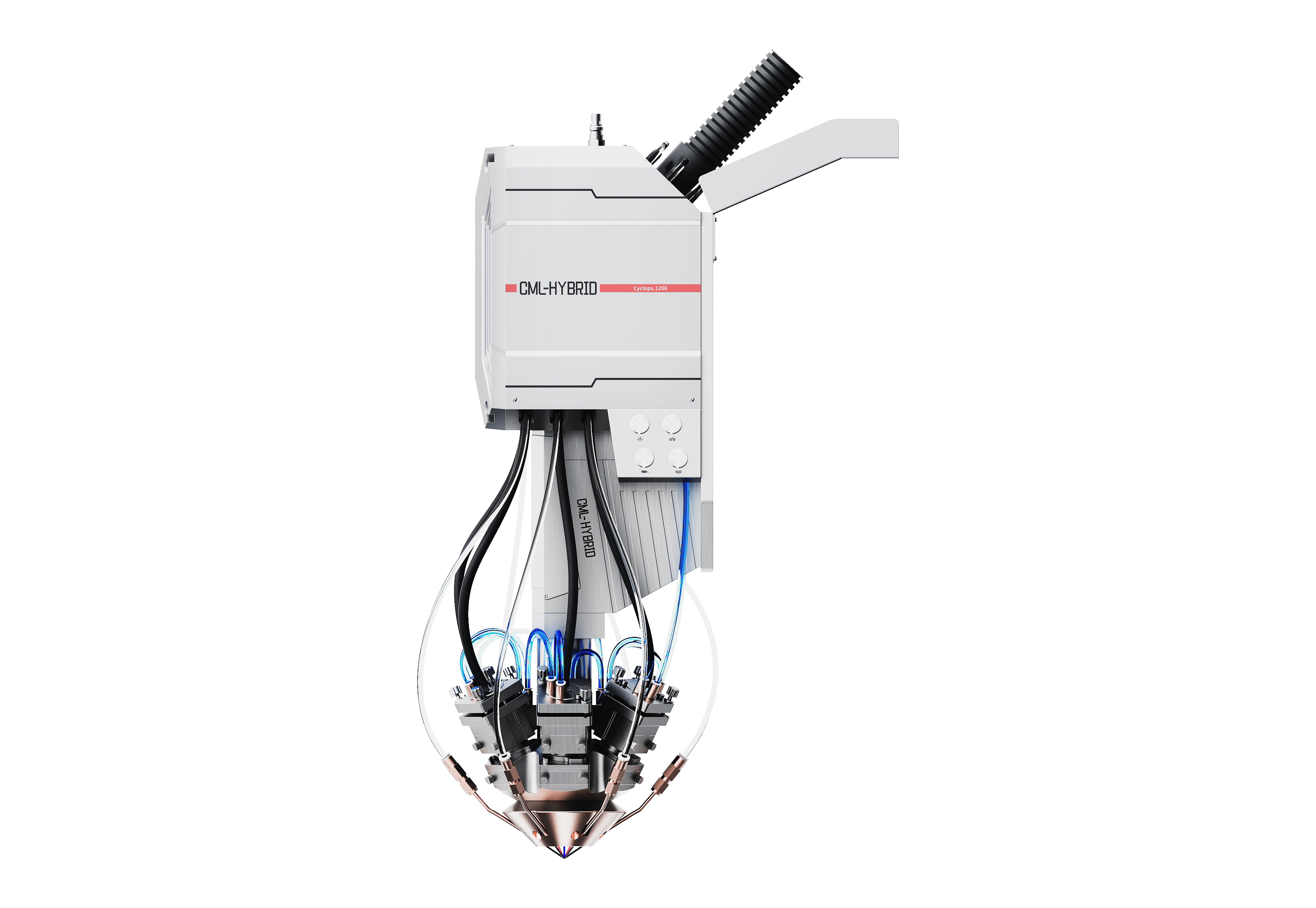
Standards for Feedstock Supply and Consistency
Consistency is critical for WAAM. The diameter of the wire must be +/- 0.05 mm to maintain consistent arc and melt pool. Surface finishing should meet standards to avoid oxidation or scratches to maintain consistent feeding and spattering. Trusted suppliers receive certification for each spool to meet AWS A5.xx and EN ISO 14341 with traceable batch records for chemical compositions and mechanical testing.
Aerospace, Energy, and Marine Applications: Wire Selection
Operational requirements should be the primary concern when choosing WAAM wire. The aerospace, energy, and marine sectors require more stringent standards for material properties. These sectors often require materials to be heat resistant and/or corrosion resistant.
Nickel-Based Alloys for High-Temperature Components
For aerospace and energy applications, WAAM wire made from nickel-based alloys, like Inconel 625 or 718, is critical. These materials retain over 90% of their room temperature yield strength at 200 o C, plus they don't oxidize in turbine engines and in power generation equipment. The wire must be carefully designed to ensure that there is a minimal thermal expansion mismatch during deposition to avoid cracking in the thin walled structures.
Stainless and Duplex Steels for Corrosion Resistant Fabrication
In the marine and offshore industries where pitting and crevice corrosion from seawater is a problem, duplex and stainless steel wire grades are used. With a Pitting Resistance Equivalent Number (PREN) above 40, Duplex grades are applicable to ship propellers and ballast water systems. Controlling the amount of chromium and molybdenum in the wire will prevent stress corrosion cracking from chlorides.
Selecting and Sourcing High Performance WAAM Wire: Certifications, Testing, and Supplier Criteria
ASTM/EN Standards and Traceability Requirements
Within WAAM wires, the ASTM and EN standards will ensure that the wire is manufactured for high quality in the industrial space. These standards focus on critical aspects like chemical composition with ±0.05% alloying element tolerances, minimum tensile strength of steel wires, and dimensional control. For Aerospace and energy projects, material traceability, through certified mill test reports, offers an auditable pathway from the raw materials to the finished spool, and is non-negotiable. Suppliers are further vetted through their ISO 9001 certification and the quality management systems are verified for third parties.
How to Assess Wire Spool Uniformity and Feed Reliability
To assess spool uniformity and effectively implement Wire Arc Additive Manufacturing (WAAM), you must evaluate the consistency of wire movement from the spool. It is due to the following:
Control of diameter: Variation should be controlled within 0.02 mm, and verified by laser micrometers
Control of spool diameter: Microscopic inspection is required for scratches, oxidation, or other surface concerns that may impact arc stabilization.
Control of spool mechanics: Unwinding tension should be within the 15–25 N range to prevent birdnesting.
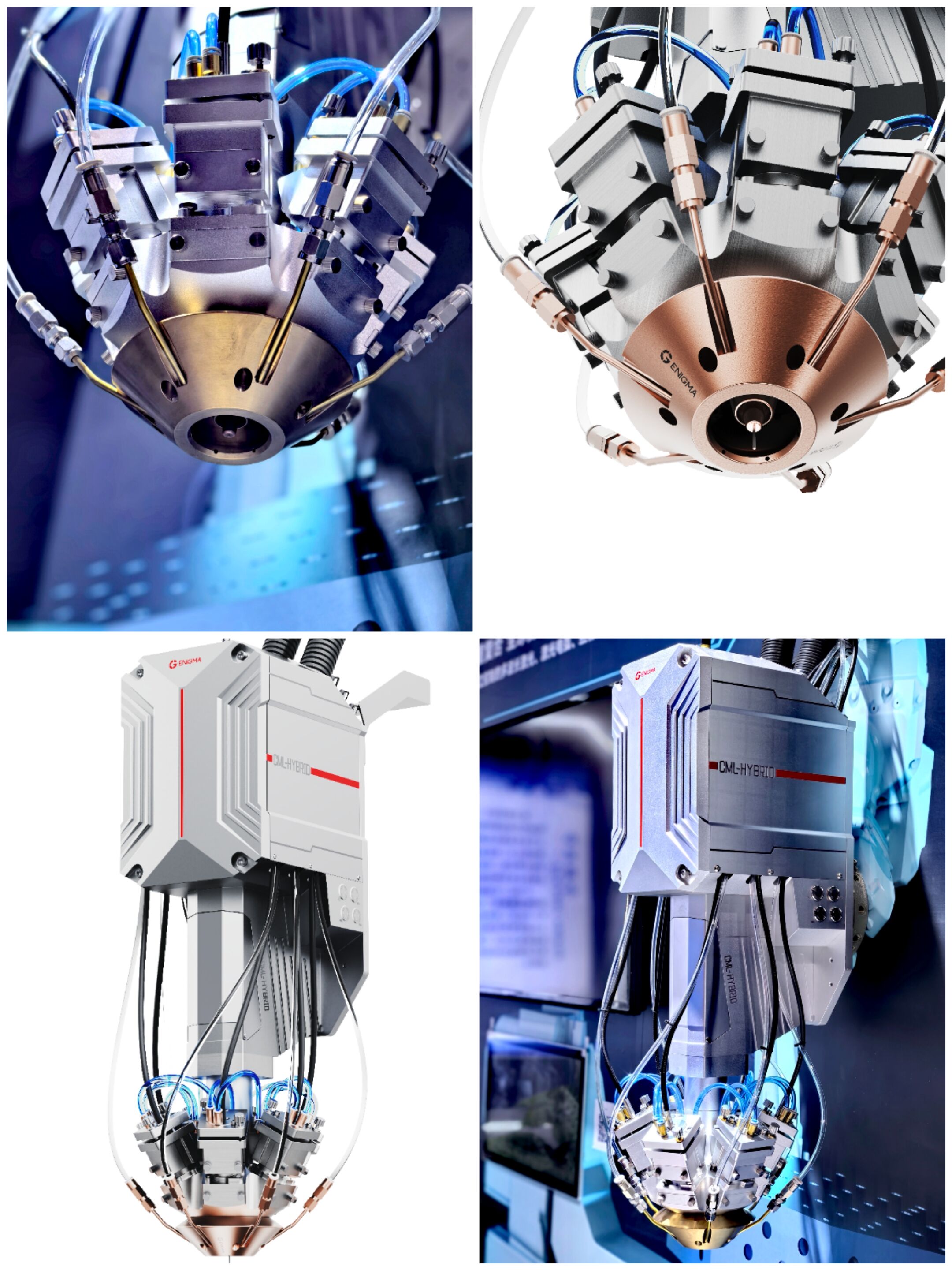
Feed tests: Run “in production” to identify irregular patterns of feed.
Leading manufacturers have implemented statistical process control with relative stability index (CpK) of 1.33 and above for parameters that are critical in ensuring 99.8% deposition reliability for high-value applications.
Frequently Asked Questions (FAQs)
What is WAAM wire?
WAAM wire is the feedstock material for Wire Arc Additive Manufacturing. It is the material input and the consumable electrode, maximizing material use with a stable arc.
Why does WAAM wire alloy composition matter?
The alloy compositions of WAAM compositions are directly correlated to the strength and robustness of the resulting components with regards to corrosion and elevated temperatures.
How much of a problem is WAAM wire consistency?
It is very important to maintain consistency, considering WAAM wire directly impacts the quality level of the end product in terms of arc behavior and pool geometry.
What industries heavily utilize WAAM wire?
WAAM wire is heavily used in the aerospace, energy, and marine industries due to their need for high temperature and corrosion-resistant materials.
What does WAAM wire need to be certified in?
WAAM wire must be certified in the ASTM and EN. Suppliers are required to provide traceable documentation, in the form of certified mill test reports.