
 EN
EN
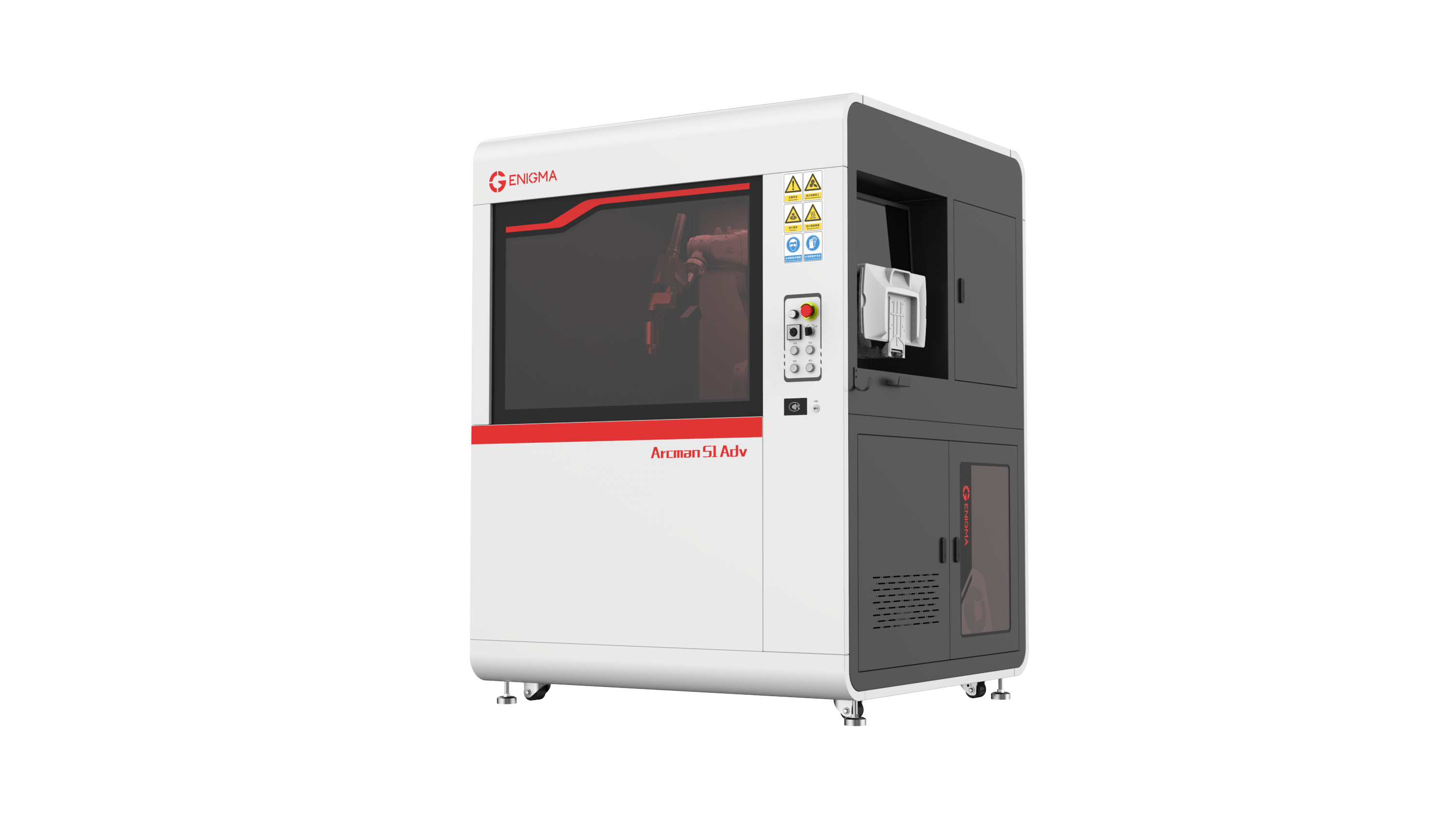
بھاری مشینری کی پیداوار میں روایتی تیاری کی رکاوٹوں کا خاتمہ
روایتی بھاری مشینری کی تیاری پرانے، متعدد مراحل پر مشتمل پیداواری کارکردگیوں پر انحصار کرتی ہے جو خصوصی سخت ٹولنگ، درست ڈھالائی کے قالب، ماہر جگز اور فکسچرز، اور بار بار کی متعدد محور سی این سی مشیننگ پر منحصر ہوتی ہے۔ ہر مددگار آلہ اور خصوصی طور پر بنایا گیا عمل طویل لیڈ ٹائم اور اضافی پیداواری لاگت کا باعث بنتا ہے، جو مشینری کے اجزاء کی ترسیل کو روکنے والی اصل رکاوٹ بن جاتا ہے۔ عام بھاری آلات کے اجزاء جیسے صنعتی پمپ کے ہاؤسنگ اور مِسَّن کے امپیلرز کے لیے، ڈھالائی اور پیشہ ورانہ پروسیسنگ کے آغاز سے پہلے قالب کی تیاری مکمل کرنے کے لیے صنعت کاروں کو 8 سے 20 ہفتے درکار ہوتے ہیں۔ ایک بار جب ٹولنگ کی تیاری مکمل ہو جاتی ہے تو کسی بھی انجینئرنگ ترمیم یا ساختی ایڈجسٹمنٹ کی صورت میں انتہائی زیادہ دوبارہ کام کی لاگت اور طویل تاخیر واقع ہوتی ہے، جس کی وجہ سے اداروں کو اپنے ڈیزائن کے منصوبوں کو پہلے ہی حتمی شکل دے دینا پڑتا ہے اور اس طرح پروڈکٹ کی ترقی اور تبدیلی کی لچک سے محروم رہنا پڑتا ہے۔
صنعتی دھاتی 3D پرنٹنگ اس روایتی تیاری کے طریقہ کار کو مکمل طور پر الٹ دیتی ہے، جو ڈیجیٹل براہ راست تیاری کے منطق پر مبنی ہوتی ہے۔ اس سے صرف ڈھالنے کے قالب، تیاری کے نمونوں اور مستقل مشینری کے سہاروں کی ضرورت مکمل طور پر ختم ہو جاتی ہے، جس کے نتیجے میں CAD ڈیجیٹل ماڈلز کی بنیاد پر ایک ہی مرحلے میں حتمی شکل کے اجزاء کی تیاری ممکن ہو جاتی ہے۔ اس کا سب سے اہم فائدہ یہ ہے کہ اصل میں متعدد مراحل پر مشتمل مشیننگ اور اسمبلی کے عمل کو ایک واحد پرنٹنگ کے مرحلے میں ضم کر دیا جاتا ہے، جس کے ذریعے متعدد الگ الگ اجزاء کو ایک جامد اور یکجا ساخت میں متحد کیا جاتا ہے۔ معتبر صنعتی سروے کے مطابق، 57 فیصد اہم مشینری ساز کمپنیاں جگز، فکسچرز اور تیاری کے آلات کی تیاری کے لیے صنعتی دھاتی 3D پرنٹنگ کو اپنا چُکی ہیں، جو اوزار پر مبنی تیاری سے لچکدار، درخواست کے مطابق ڈیجیٹل تیاری کی طرف صنعت کے مکمل انقلاب کی علامت ہے۔
صنعتی دھاتی 3D پرنٹنگ روایتی سی این سی مشیننگ اور دھاتی انجیکشن موولڈنگ کے مقابلے میں لیڈ ٹائم، لاگت کنٹرول اور ڈیزائن کی لچک میں غیرمعمولی فوائد پیش کرتی ہے، خاص طور پر بھاری مشینری کے حصوں کی کم سے درمیانہ پیداوار کے لیے مناسب ہے۔ روایتی سی این سی مشیننگ میں جگ اور فکسچر ٹولنگ کے لیے 2 سے 8 ہفتے اور باقاعدہ پیداوار کے لیے اضافی 1 سے 4 ہفتے درکار ہوتے ہیں، جبکہ لاگت کے فوائد صرف بڑے پیمانے پر پیداوار میں حاصل ہوتے ہیں۔ دھاتی انجیکشن موولڈنگ کے لیے 8 سے 20 ہفتے تک موولڈ کی تیاری اور اس کے بعد ٹولنگ کے بعد پیداوار کے لیے اور 2 سے 4 ہفتے درکار ہوتے ہیں، جو صرف 10,000 قطعات سے زیادہ کے آرڈرز کے لیے معیشتی ہوتی ہے۔ واضح طور پر اس کے برعکس، صنعتی دھاتی 3D پرنٹنگ کے لیے بالکل بھی کوئی ٹولنگ سائیکل درکار نہیں ہوتی اور پیداوار 1 سے 5 دنوں کے اندر مکمل ہو جاتی ہے۔ یہ 1 سے 500 قطعات کے آرڈرز کے لیے بہترین معاشی فوائد حاصل کرتی ہے اور ہر وقت تیز رفتار CAD دہرائی (آئٹریشن) کو سہولت فراہم کرتی ہے، جس سے روایتی عمل کے دوران ڈیزائن کی ترمیم کرنا مشکل ہونے اور سائیکل کی ایڈجسٹمنٹ میں طویل عرصہ لگنے جیسے مسائل کا حل ممکن ہو جاتا ہے۔
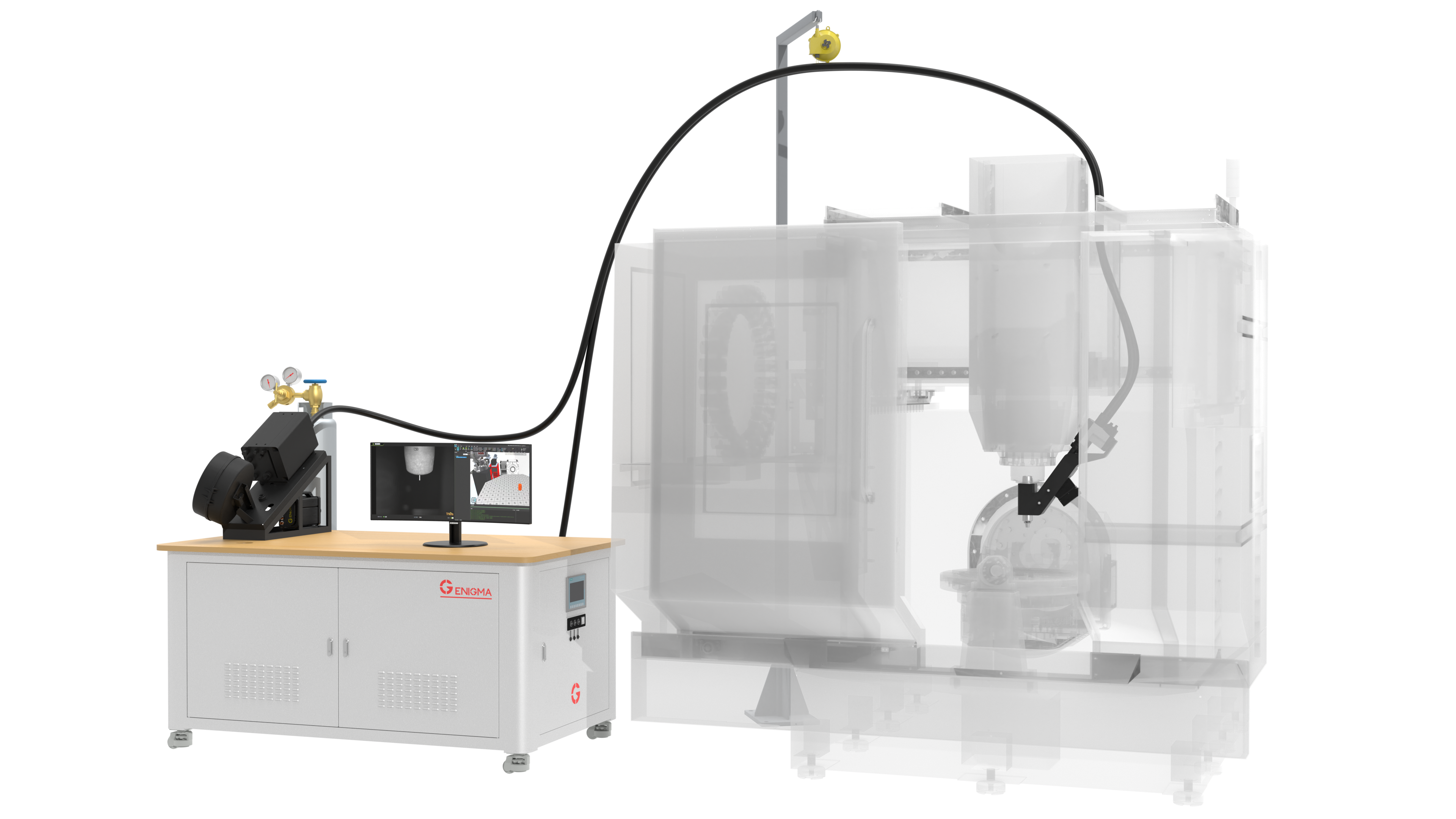
لیڈ ٹائم کا اِکٹھا ہونا: بھاری مشینری کے اسپیئر پارٹس کی سپلائی چین کو دوبارہ شکل دینا
صنعتی دھاتی 3D پرنٹنگ کی فوری تیز پیداواری صلاحیت، طاقت کی پیداوار اور کان کنی جیسے سرمایہ کثیف شعبوں میں اسپیئر پارٹس کی سپلائی چین کے انتظام کو ا strategically اہمیت فراہم کرتی ہے۔ گیس ٹربائنز اور لگاتار کان کنی کی مشینوں سمیت بھاری آلات کے بند ہونے سے بہت بڑے مالی نقصانات ہوتے ہیں، جس کی صورت میں انتہائی حالات میں ہر گھنٹے کے غیر فعال ہونے کا نقصان 100,000 امریکی ڈالر سے زیادہ ہو سکتا ہے۔ قدیم اور خراب ہونے والے پارٹس کو روایتی ڈھلائی کے ذریعے بڑے پیمانے پر پیداوار اور جسمانی ویئر ہاؤس انوینٹری پر انحصار کرنا آپریشنل رسک اور سپلائی کی تاخیر کو قابو سے باہر کر دیتا ہے۔
دنیا بھر کے ایک معروف صنعتی لفٹ مینوفیکچرر نے اصل پیداوار میں دھاتی اضافی تیاری کی طاقتور کارکردگی کو تصدیق کر دی ہے۔ اس کارپوریشن نے روایتی ڈھلائی کے طریقہ کار کو اپنے اندر کے صنعتی دھاتی 3D پرنٹنگ کے ذریعے تبدیل کر دیا، جس کے ذریعے اس نے مرکزی سٹین لیس سٹیل اجزاء تیار کیے، جس سے اصلی 16 ہفتہ کے نمونہ تیاری کے دوران کو صرف 4 ہفتہ تک کم کر دیا گیا اور مکمل ڈیزائن سے عملی آزمائش تک کے عمل کو 75 فیصد تک کم کر دیا گیا۔ اس موثر تکرار کی صلاحیت نے اسپیئر پارٹس کی سپلائی چین کے ماڈل کو مکمل طور پر تبدیل کر دیا ہے۔
صنعتی دھاتی 3D پرنٹنگ ایک لچکدار ڈیجیٹل تقسیم شدہ انوینٹری سسٹم کی حمایت کرتی ہے، جہاں معیاری ڈیجیٹل پارٹ فائلیں بڑے پیمانے پر جسمانی اسٹاک کی جگہ لے لیتی ہیں۔ صنعت کار اپنی ضرورت کے مطابق مشینری کے اجزاء کو استعمال کے مقام کے قریب فوری طور پر پرنٹ کر سکتے ہیں، جس سے آہستہ حرکت کرنے والی انوینٹری کے ذریعے منجمد کیے گئے کام کے سرمائے میں کمی آتی ہے اور خراب سامان کی مرمت کے لیے درکار اوسط وقت (Mean Time To Repair) کو نمایاں طور پر کم کیا جا سکتا ہے۔ 50 سال تک کی سروس لائف والے قدیم اجزاء کے لیے بھی، ادارے ریورس انجینئرنگ، فوری پرنٹنگ اور مقامی انسٹالیشن کا عمل چند دنوں میں مکمل کر سکتے ہیں۔ یہ پختہ اور تصدیق شدہ تولیدی فائدہ غیر منصوبہ بندی شدہ سامان کے بند ہونے سے مؤثر طریقے سے بچاتا ہے اور پوری بھاری مشینری کی سپلائی چین کی لچک کو نمایاں طور پر بہتر بناتا ہے۔
بھاری مشینری کے شعبوں میں دھاتی 3D پرنٹنگ کے اہم صنعتی استعمال
صنعتی دھات کی تین آئیمیشن 3D چھپائی کو طاقت پیدا کرنے، کان کنی کے آلات اور مشین ٹول کی ت manufacturing جیسے متعدد بھاری مشینری کے شعبوں میں وسیع پیمانے پر استعمال کیا گیا ہے اور اس کی تصدیق بھی کی گئی ہے۔ یہ پیچیدہ اور اہم اجزاء کی فوری ضرورت کے مطابق تیاری کو سہولت فراہم کرتی ہے، جس سے روایتی طریقوں کے طویل دورِ تکمیل اور کم درستگی کی کمیاں پوری ہوتی ہیں۔ طاقت پیدا کرنے کے شعبے میں، ڈیجیٹل ماڈلز کے ذریعے فیول نوزلز، ٹربائن بلیڈز اور ہیٹ ایکسچینجرز جیسے اہم آلات کے اجزاء جن میں مطابقت پذیر ٹھنڈا کرنے کی ساختیں ہوں، براہ راست تیار کیے جا سکتے ہیں، جس سے ماہوں کے پیچیدہ ڈھالائی، جوڑنے اور بعد کی پروسیسنگ کے مراحل کو چھوڑ دیا جا سکتا ہے۔
کان کنی کے آپریشن کے مندرجہ ذیل منصوبوں میں، صنعتی دھاتی 3D پرنٹنگ کا استعمال پہننے سے مزاحم ڈرل بٹ باڈیز، ہائیڈرولک پمپ کے امپیلرز اور کرشر ٹوتھ ایکسیسوریز کی تیاری کے لیے کیا جاتا ہے۔ قریبی نیٹ شیپ پرنٹنگ کی خصوصیت خام مال کے ضیاع کو کم سے کم کرتی ہے اور دور دراز کان کنی کے مقامات پر بھی تیز رفتار اسپیئر پارٹس کی تیاری کو فروغ دیتی ہے، جس سے آلات کی مرمت کے لیے درکار وقت کو کافی حد تک کم کیا جا سکتا ہے۔ پیشہ ورانہ مشین ٹول کے صنعت کاروں کے لیے، ایڈیٹو مینوفیکچرنگ ٹاپالوجی کے لحاظ سے بہترین جگز اور فکسچرز، اور ایک انٹیگریٹڈ کولنگ چینل والے ان جیکشن موولڈز کی تیاری کر سکتی ہے۔ یہ آلات کے آپریشن سائیکل کی کارکردگی کو تیز کرتی ہے جبکہ ٹولنگ کے انتظار کے وقت کو مکمل طور پر ختم کر دیتی ہے۔
اس کے علاوہ، صنعتی دھاتی 3D پرنٹنگ کا اِکٹھا شکل دینے کا طریقہ کار اصل میں بکھرے ہوئے متعدد اجزاء کے مجموعوں کو ایک مضبوط واحد ساخت میں جوڑ دیتا ہے، جس سے آلات کی عملدرآمدی استحکام اور ساختی قابل اعتمادی موثر طریقے سے بہتر ہو جاتی ہے۔ یہ ٹیکنالوجی انکونیل 718 اور میریجنگ سٹیل سمیت اعلیٰ کارکردگی والے مِسل میٹل پرنٹنگ مواد کی حمایت کرتی ہے، جس سے یہ یقینی بنایا جا سکتا ہے کہ پرنٹ شدہ اجزاء انتہائی درجہ حرارت، انتہائی دباؤ اور شدید رگڑ جیسے سخت کام کے ماحول کے لیے مناسب ہوں۔ جسمانی انباروں کی جگہ ڈیجیٹل انبار کا استعمال بھی اداروں کو بہت زیادہ ذخیرہ کرنے کے اخراجات سے بچانے میں مدد دیتا ہے اور اجزاء کے منسوخ ہونے کے خطرات کو مکمل طور پر ختم کر دیتا ہے، جس سے مشینری کے انبار کے انتظام میں چستی اور ذہانت کو عملی جامہ پہنایا جا سکتا ہے۔
تیز صنعتی اپنائی کے لیے بہتر کردہ تصدیق اور تیاری کے کام کے طریقہ کار
بلند رفتار تیاری کا انحصار قابل اعتماد مصنوعات کی معیار اور معیاری تصدیقی سرٹیفیکیشن پر ہونا چاہیے۔ صنعتی دھاتی 3D چھاپن اس طرح حقیقی کارکردگی میں بہتری لاتا ہے کہ ڈیزائن کی تصدیق اور عمل کے دوران معیار کی ضمانت کو مجموعی کام کے طریقہ کار میں ضم کر دیا جاتا ہے، نہ کہ صرف رفتار کو حاصل کرنے کی کوشش کی جاتی ہو۔ روایتی تیاری میں شبیہ سازی کی تصدیق، تیاری کی تیاری اور مکمل مصنوعات کا معائنہ الگ الگ لنکس میں الگ الگ کیے جاتے ہیں، جس کی وجہ سے غلطیوں کی دریافت میں تاخیر آسانی سے ہو جاتی ہے اور اس کی وجہ سے مہنگی دوبارہ کام کی ضرورت اور سائیکل میں تاخیر آ جاتی ہے۔
جدید دھاتی 3D چھاپن کے ورک فلو میں ابتدائی ڈیزائن کے مرحلے میں محدود عناصر کا تجزیہ اور ٹاپولوجی کی بہترین کارکردگی شامل ہوتی ہے۔ انجینئرز تناؤ کے تقسیم کا احساس کر سکتے ہیں،