
 EN
EN
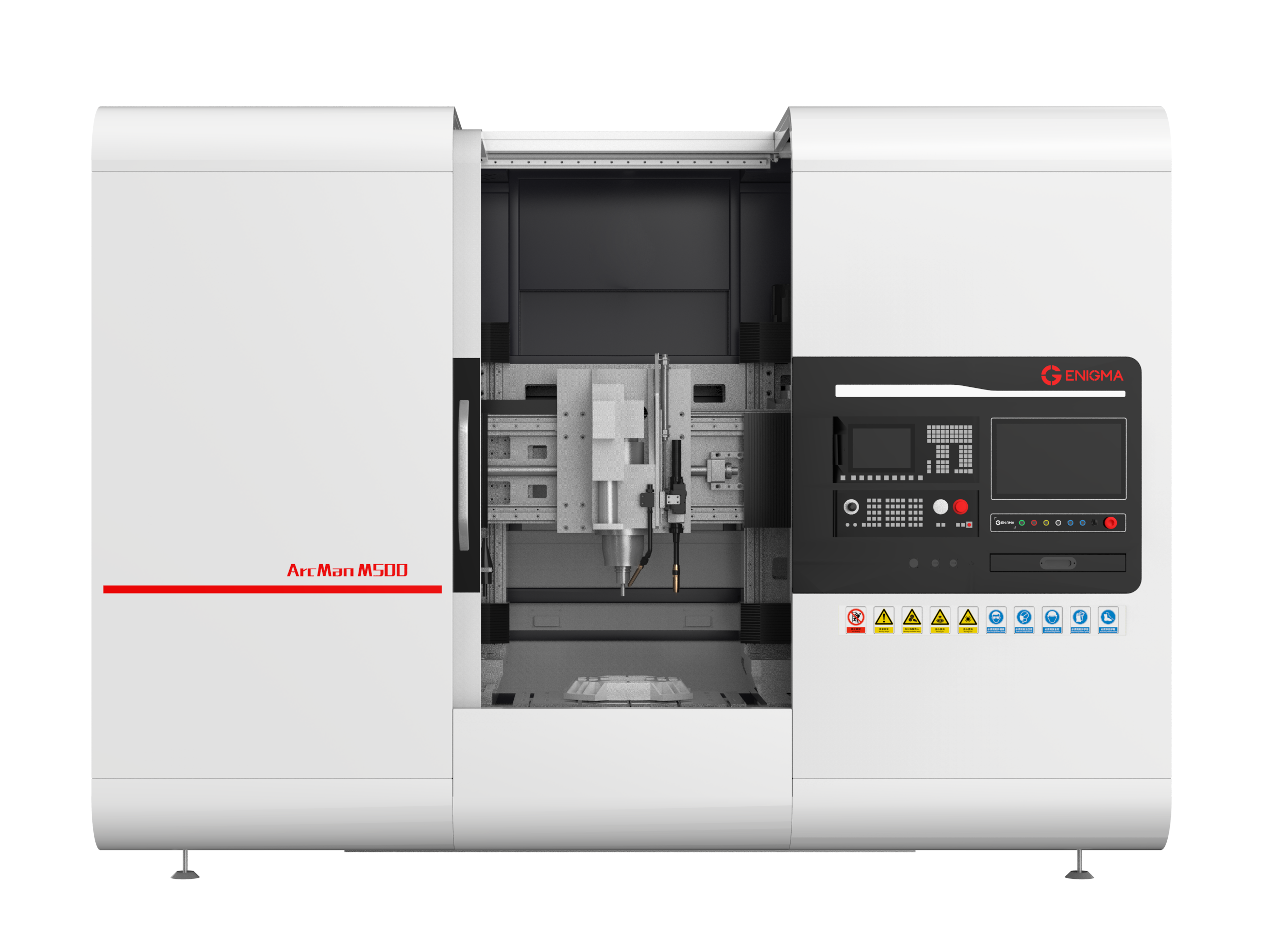
Economic Advantages And Supply Chain Simplicity In Wire Printing
Wire printing achieves exceptional material efficiency with exceptionally high utilization rates by melting feedstock exclusively where needed. In contrast, powder based additive manufacturing typically wastes a massive portion of material due to powder bed contamination, splatter, and sacrificial support structures. This near zero waste profile eliminates recurring costs for powder reclamation and sieving, which can add substantial overhead in powder bed fusion. Commercial welding wire, the standard feedstock for wire printing, costs significantly less than gas atomized metal powders of equivalent composition. Industrial case studies from leading aerospace manufacturers reveal that switching to wire based additive manufacturing for structural brackets reduces raw material expenses dramatically while maintaining strict mechanical properties. The convergence of high utilization and low cost feedstock fundamentally reshapes the economics of metal part production, enabling economic viability in applications previously cost prohibitive for powder based methods. Furthermore, wire printing simplifies supply chains by removing energy intensive steps inherent to powder production. Gas atomization, which consumes large volumes of argon or nitrogen, is entirely unnecessary for wire feedstock, while sieving stations, dust control infrastructure, and full cleanout procedures for hoppers are also eliminated. By using localized shielding gas instead of continuous inert gas purging, total gas consumption drops by up to seventy percent, shrinking the shop floor footprint and allowing smaller facilities to adopt metal additive manufacturing.
Process Performance And Metallurgical Quality In Wire Printing
The shift from subtractive or powder based methods to wire printing introduces a fundamental change in how fabrication speed and part scale are managed. While processes constrained by powder bed dimensions or slow material application struggle with throughput, wire printing leverages continuous feedstock to achieve deposition rates between three and fifteen kilograms per hour. This represents a massive speed increase over traditional laser powder bed systems, lowering labor costs per kilogram and compressing lead times for replacement parts. Moreover, scale is no longer constrained by powder bed dimensions, enabling monolithic fabrication of structures exceeding two meters in length. This eliminates the need for welding or bolting subcomponents, removing structural weak points and ensuring complete metallurgical continuity across the entire structure. From a metallurgical perspective, wire printing achieves near full density exceeding ninety nine percent through precise control of heat input and rapid solidification. Repeated thermal cycling acts as an in situ annealing process that refines grain structure, preventing columnar grain growth and developing a fine, equiaxed grain morphology that delivers uniform mechanical properties in all directions. Additionally, wire printing enhances operational safety by eliminating fine metal powders, reducing fire and explosion risks significantly while offering seamless, plug and play integration into existing robotic welding cells.
Frequently Asked Questions
-
What is the material utilization rate in wire printing? Wire printing achieves a material utilization rate between ninety five and ninety eight percent, significantly higher than powder based methods that waste a large percentage of raw material.
-
How does wire printing reduce costs compared to powder based methods? Wire printing uses commercial welding wire, which costs significantly less than gas atomized powders, while entirely eliminating expensive powder handling and reclamation costs.
-
What are the deposition rates for wire printing? Wire printing achieves high deposition rates between three and fifteen kilograms per hour, operating significantly faster than traditional laser powder bed systems.
-
Why is wire printing considered safer than powder based additive manufacturing? Wire printing eliminates the use of fine metal powders, significantly reducing combustible dust hazards, fire risks, and associated facility insurance costs.
-
Can wire printing produce large scale parts without compromising integrity? Yes, wire printing allows for monolithic fabrication of parts larger than two meters, removing the need for welded joints that can compromise structural integrity.