
 EN
EN
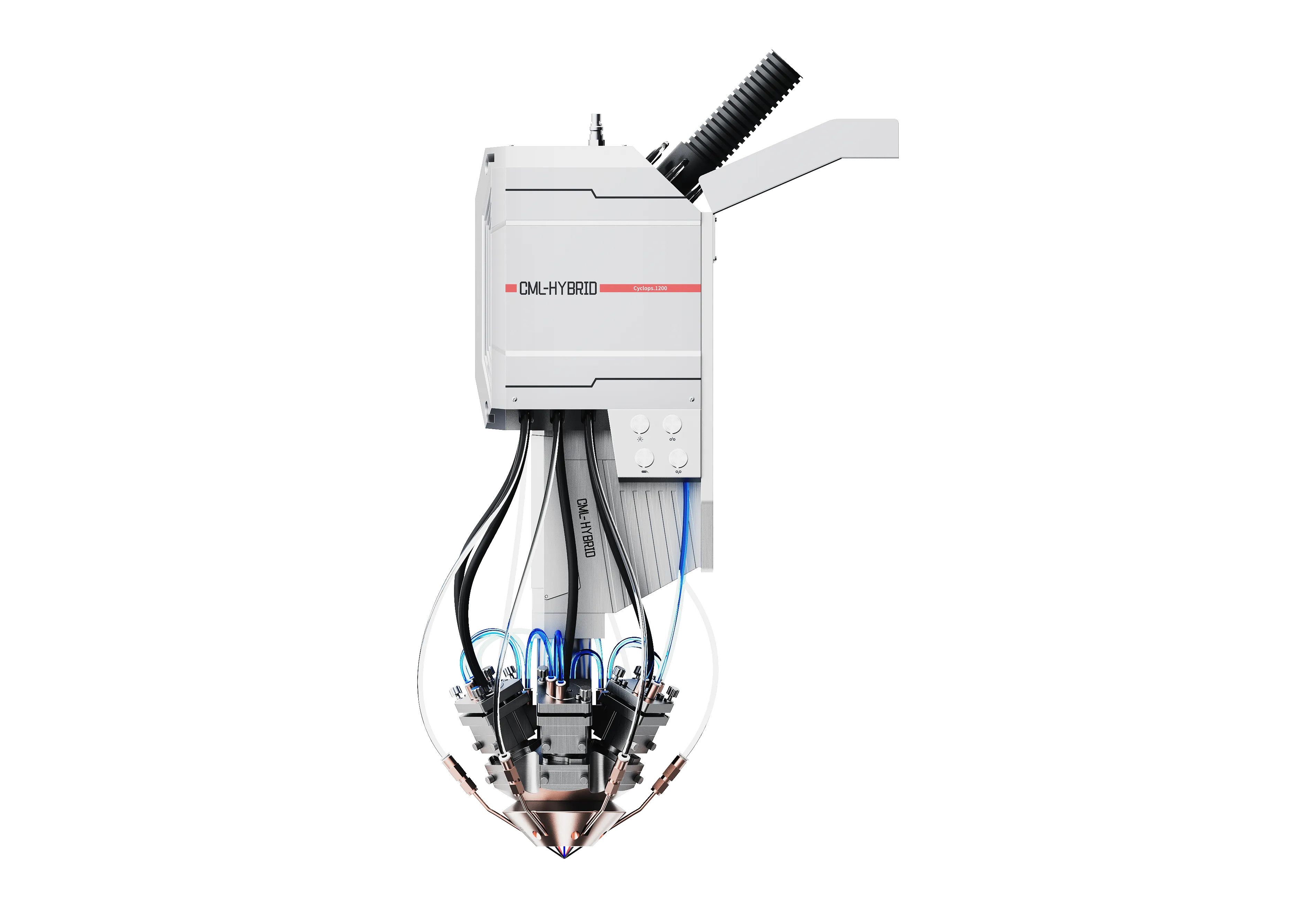
The traditional product development cycle was once measured in months, tied down by slow tooling lead times and expensive model changes. Today, the game has changed. For engineers and product designers, the 3d print prototype has become the primary catalyst for innovation. By shifting from slow, manual processes to high-speed additive manufacturing, teams can now bridge the gap between a digital CAD file and a physical product in a matter of hours. This shift is not just about convenience; it is about significantly lowering the risk profile of every new project.
Accelerating the Iteration Cycle
In the engineering world, the cost of discovering a design flaw during mass production is astronomical. Utilizing 3D printing for early-stage testing allows for multiple design iterations in a fraction of the time required by CNC machining or injection molding. This "fail-fast, learn-faster" approach ensures that potential issues in assembly, form, or fit are caught early when they are inexpensive to fix. When designers can hold a physical model in their hands, they gain insights that no screen-based simulation can provide, leading to more refined, robust end products.
Financial Advantages of Additive Manufacturing
| Cost Factor | Traditional Prototyping | 3D Printed Prototyping |
| Tooling Investment | High (molds/dies) | None (direct printing) |
| Setup Time | Days or Weeks | Hours |
| Material Waste | High (subtractive) | Low (additive) |
| Modification Cost | Expensive re-tooling | Cost of digital edit only |
Precision and Functional Fidelity
Modern 3D printing technology has evolved well beyond basic plastic mockups. With the ability to print in engineering-grade resins, high-temperature filaments, and metal powders, prototypes now closely mimic the material properties of final production units. This functional fidelity is crucial for stress testing, snap-fit analysis, and thermal management checks. Engineers can perform real-world field tests on these prototypes to validate performance under pressure, ensuring that the transition from a concept to a finished manufacturing line is seamless and successful.
Comparison of Prototyping Methods
| Method | Best For | Level of Precision |
| 3D Printing | Complex Geometries/Iterative design | High |
| CNC Machining | High-strength metal/plastic parts | Very High |
| Injection Molding | Final mass production validation | Extremely High |
| Vacuum Casting | Batch prototyping/Color matching | Medium |
Engineering Precision and Industrial Support
Transforming a digital idea into a high-performance reality requires a partner with deep technical expertise. Enigma specializes in sophisticated additive manufacturing, utilizing cutting-edge machinery to produce prototypes that meet the most demanding industrial standards. By maintaining a focus on high-tolerance production and material diversity, Enigma ensures that client projects move from the design phase to the validation phase with unmatched speed and accuracy. Their capacity to support complex engineering requirements makes them a reliable backbone for global product development pipelines, ensuring that every project benefits from the latest in manufacturing technology.
Sustaining Competitive Innovation
The ultimate goal of any engineering firm is to deliver superior value to the end user. Integrating a 3d print prototype workflow into the development cycle creates a foundation for continuous improvement and innovation. As design standards become increasingly sophisticated, the ability to rapidly produce and test high-fidelity models becomes the true differentiator in the market. With the support of experts like Enigma, businesses can confidently pursue complex designs and aggressive timelines, knowing that their manufacturing process is backed by the industry's most reliable prototyping and production services.