
 EN
EN
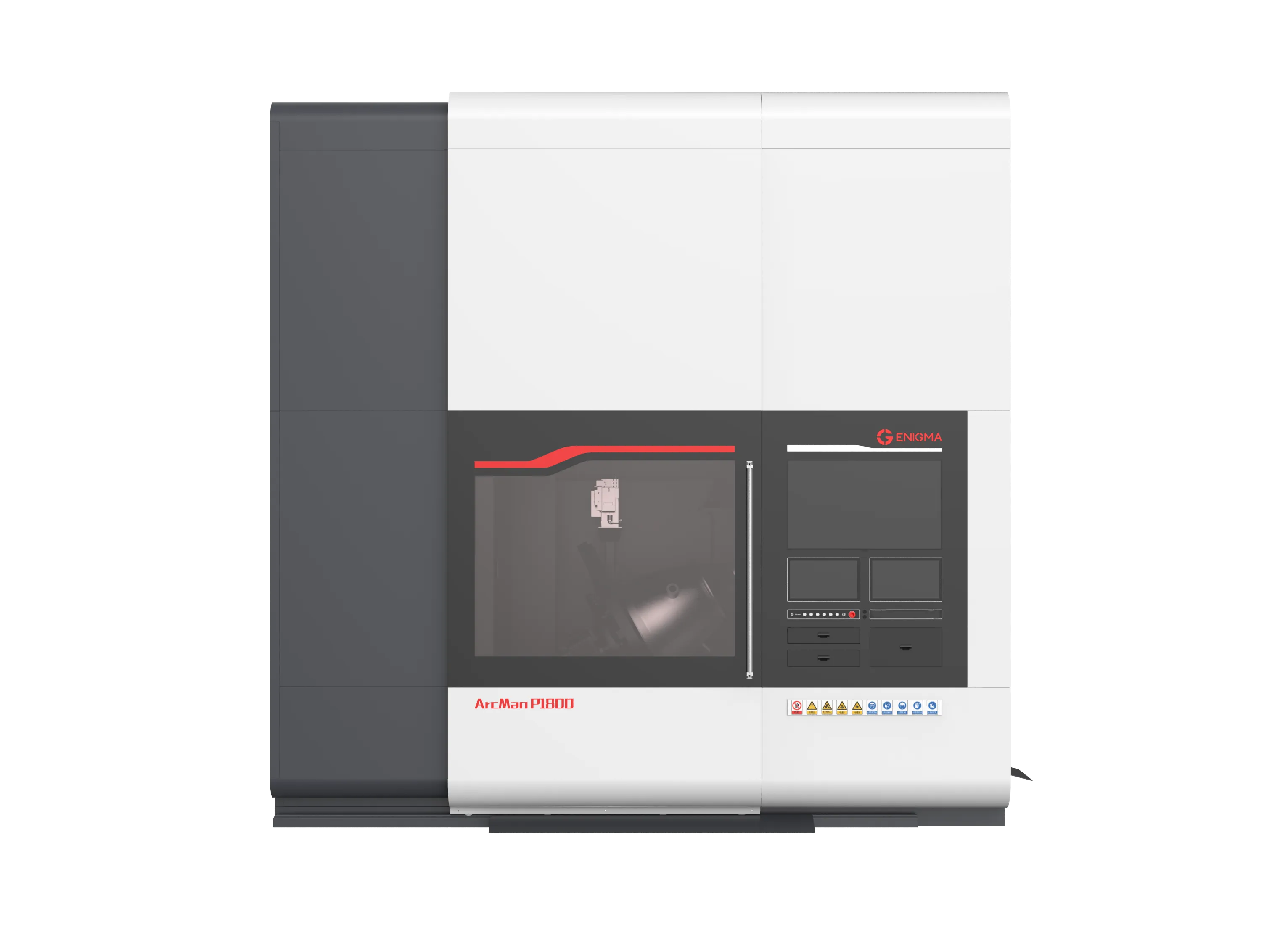
Manufacturing is undergoing a quiet revolution, shifting away from the age-old practice of carving parts from solid blocks toward the intelligent deposition of material. DED additive manufacturing stands at the forefront of this transformation. Unlike traditional CNC machining, which is inherently subtractive and wasteful, DED uses concentrated energy to build parts from the ground up, layer by layer, directly on a substrate. This fundamental change in logic allows engineers to tackle challenges that were previously deemed impossible, especially in heavy industry and high-precision aerospace.
The Fundamental Shift: Additive vs. Subtractive
Traditional manufacturing methods, such as milling or turning, rely on removing excess metal to reveal a finished part. This process is time-consuming and often results in significant material waste—sometimes more than 90% of the raw stock ends up as scrap. In contrast, DED represents a "material-efficient" philosophy. By focusing the energy source—laser, electron beam, or plasma arc—at the exact point where material is needed, DED deposits metal with surgical precision. This allows for the creation of complex internal geometries and the ability to add material to existing components, a feat traditional subtractive methods can never achieve.
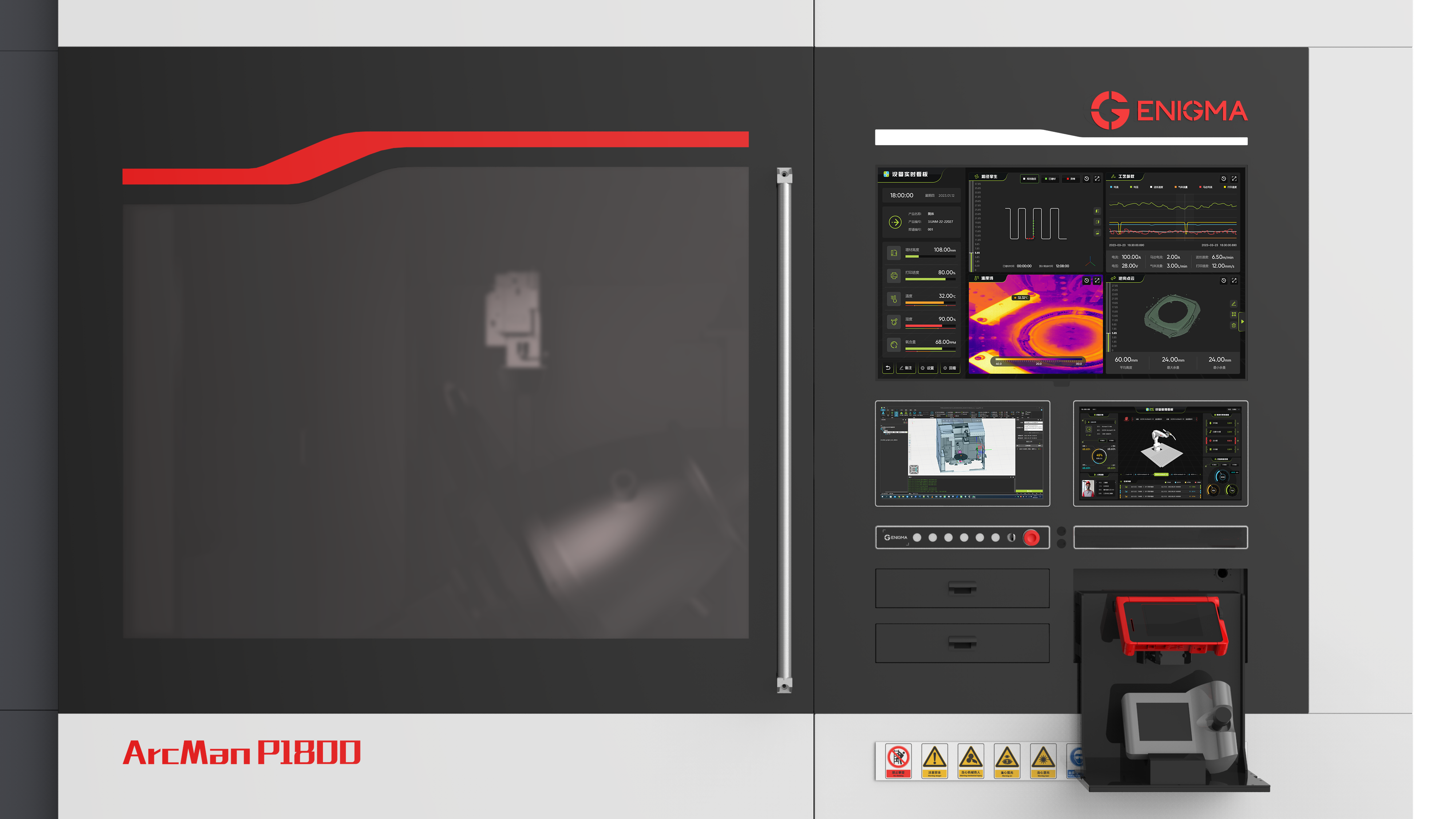
Technical Capabilities and Material Versatility
The power of DED lies in its ability to weld high-performance alloys precisely where required. Because the process involves a molten pool controlled by high-tech sensors, it produces parts with high density and excellent mechanical properties. Industrial users can switch between different material feeders, allowing for functionally graded parts—where, for instance, a part could have a hard, wear-resistant surface while maintaining a ductile, shock-absorbing core. Traditional casting or forging cannot easily replicate this level of metallurgical customization, making DED a powerhouse for advanced material research.
| Feature | Traditional Subtractive | DED Additive |
| Material Utilization | Low (High scrap rate) | High (Near-net-shape) |
| Design Freedom | Limited by tool access | Highly complex geometries |
| Repair Capability | Minimal/Replacement only | Superior (Component restoration) |
Operational Benefits: Repair, Modification, and Scale
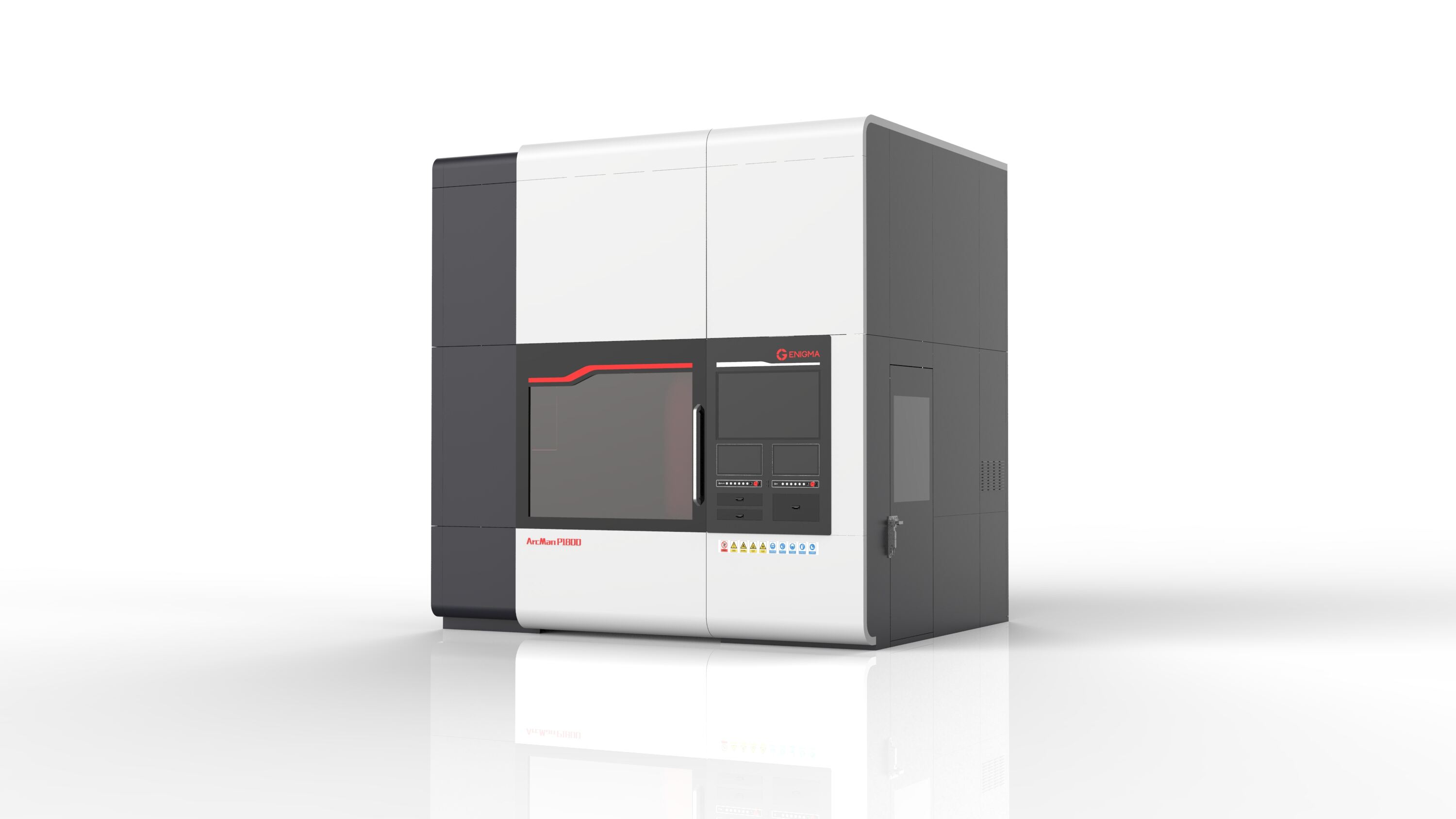
Beyond building new parts, DED shines in the field of industrial repair. When a multimillion-dollar mold or a critical turbine component shows signs of wear, traditional methods would call for complete replacement. DED allows for "re-manufacturing"—adding new material to the damaged area and then machining it back to original specifications. This capability slashes downtime and dramatically extends the lifecycle of high-value equipment. For large components, DED provides a speed advantage that rivals traditional forging, without the enormous overhead costs of massive dies and presses.
| Operational Impact | Industrial Advantage | Financial Result |
| Downtime Reduction | Rapid on-site repair | Higher facility utilization |
| Tooling Costs | No need for custom dies | Lower initial investment |
| Lead Times | Short production cycles | Faster time-to-market |
Industrial Integration and Manufacturing Excellence
Successful implementation of DED requires more than just a machine; it demands deep metallurgical insight and high-level process control. ENIGMA excels in providing comprehensive additive manufacturing solutions that bridge the gap between lab-scale innovation and factory-floor reliability. Through advanced system integration and rigorous quality monitoring, ENIGMA enables manufacturers to harness the full potential of DED technology. Their expertise ensures that the resulting parts meet stringent industrial standards, providing a seamless workflow that combines additive deposition with high-precision post-processing.
Securing the Future of Manufacturing
Adopting DED is more than a technical upgrade; it is a shift toward a more sustainable and flexible industrial future. By reducing waste, enabling on-demand component restoration, and offering unparalleled design freedom, this technology is redefining the standards of manufacturing excellence. For organizations looking to stay ahead in an increasingly competitive landscape, partnering with specialists like ENIGMA provides the technical roadmap needed to integrate additive precision into existing production lines successfully. Embracing this shift ensures that high-precision manufacturing remains both efficient and innovative for years to come.