
 EN
EN
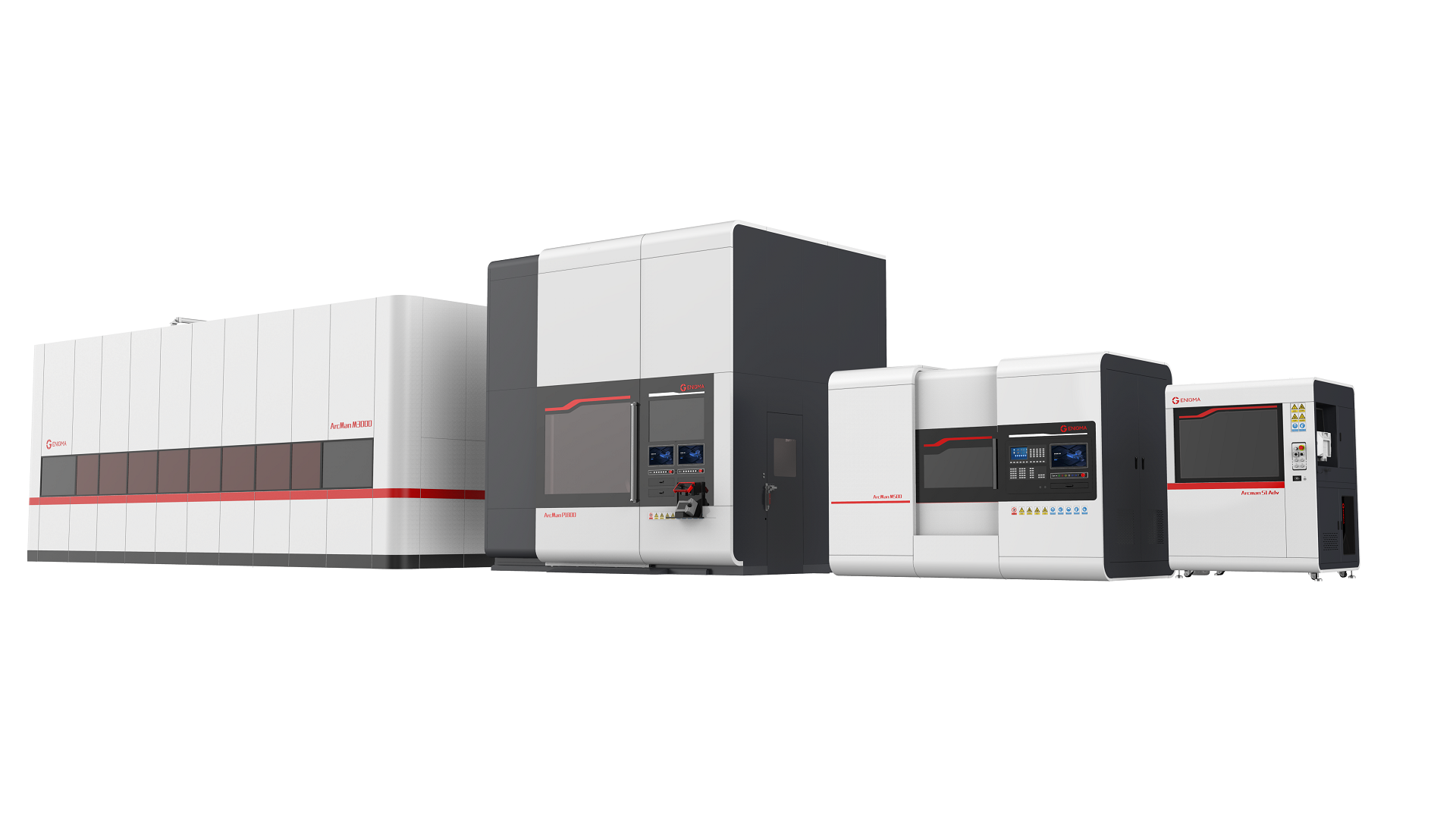
Accelerated Alloy Screening And Compositional Grading Through Laser Metal Deposition
Laser metal deposition enables high throughput alloy discovery by dynamically varying powder feed ratios during a single build, creating continuous composition gradients without requiring multiple casting or sintering steps. Industrial case studies show that deposition based grading can screen dozens of alloy variations within extremely short windows, representing a massive time reduction versus traditional powder metallurgy which demands separate press and sinter trials for each distinct composition. This capability allows research and development teams to rapidly map structure property relationships across phase diagrams, identify chemistries optimized for extreme operating environments, and compress the overall alloy design cycle from months down to days. In situ process monitoring and feedback control ensure precise energy delivery to each graded segment, minimizing defects and enabling reliable mechanical and microstructural data collection. Direct powder fusion also completely eliminates extended debinding and sintering steps inherent to binder jetting or injection molding, which frequently risk porosity, contamination, and dimensional distortion. As a result, this additive approach reduces the time from initial concept to validated material dramatically, establishing a new cornerstone for rapid alloy innovation across aerospace, energy, and biomedical laboratories.
The additive nature of laser metal deposition also enables the fabrication of functionally graded parts featuring abrupt or gradual transitions between dissimilar metals, such as stainless steel to tool steel or nickel alloys to copper, without requiring tooling changes or binder removal cycles. Unlike traditional powder metallurgy, which relies on separate die sets per layer and often suffers from delamination or inter diffusion during high temperature sintering, advanced deposition builds each layer directly from a controlled powder stream. This achieves true metallurgical bonding with minimal dilution, eliminating polymer binders whose residual carbon can degrade interface performance. On the fly material switching means a single robotic system can produce multimaterial components in one setup, cutting lead times drastically. Research laboratories leverage this agility to prototype complex geometries with tailored thermal, electrical, or wear properties, accelerating the development of advanced mold inserts, heat exchangers, and sensor housings while closed loop powder handling prevents cross contamination.
Microstructural Control And Efficiency In Advanced Research Laboratories
A defining advantage of laser metal deposition lies in the real time modulation of laser power, scan speed, and powder feed rate, giving engineers direct control over thermal history and melt pool dynamics. Unlike uniform kiln cycles, localized energy sources enable site specific adjustments that govern cooling rates, solidification pathways, and final microstructures. This precision allows tight constraint of heat affected zones, preventing grain coarsening in prior layers or substrate property dilution. Fundamental research on metal additive manufacturing confirms that such dynamic thermal management is essential for engineering functionally graded materials with spatially controlled properties. Furthermore, intense thermal gradients and rapid solidification naturally yield fine, directionally solidified microstructures aligned with the build path, distinct from the isotropic and coarser grains typical of sintered parts. This directional growth enhances tensile strength and fatigue resistance along critical load paths while achieving near full density without post processing, consistently exceeding high relative density thresholds and bypassing hot isostatic pressing.
Efficiency and sustainability are equally vital in modern laboratory environments. Systems build directly from computer aided design files, depositing material only where needed, achieving high material utilization that significantly lowers raw material costs and waste. Near net shape fabrication reduces post processing steps and accelerates iteration without sacrificing efficiency. By minimizing energy intensive subtractive operations and scrap generation, the process also lowers the carbon footprint per component. Additionally, high purity powders are protected through fully enclosed, closed loop powder handling that isolates feedstock from ambient air, preventing moisture uptake, oxidation, and cross contamination. This level of protection is critical for reactive alloys like titanium or aluminum, where trace oxygen compromises mechanical integrity, enhancing both laboratory safety and batch consistency.
Frequently Asked Questions
-
What is laser metal deposition? Laser metal deposition is an advanced additive manufacturing technology that directly deposits material using a laser and a controlled powder feed, enabling precision fabrication and rapid innovation in alloy development.
-
How does this technology accelerate alloy screening? It creates continuous composition gradients during a single build, eliminating the need for multiple casting or sintering steps and significantly compressing the screening process.
-
What advantages does deposition offer over traditional powder metallurgy? The process reduces time and material waste, eliminates binder removal and sintering steps, offers superior microstructural control, and enhances overall laboratory sustainability and safety.
-
Why is deposition considered more environmentally sustainable? It achieves exceptionally high material utilization and reduces waste while minimizing energy intensive subtractive operations, supporting a lower institutional carbon footprint.
-
Can these systems handle multimaterial fabrication? Yes, the technology enables seamless transitions between dissimilar metals during a single build, completely avoiding tooling changes or complex binder removal cycles.
-
How is precise microstructural control achieved? By modulating laser power, scan speed, and powder feed rate in real time, engineers gain precise control over thermal history and melt pool dynamics to manage material properties.
-
What testing timelines can research laboratories expect? The technology compresses material qualification timelines from powder receipt to functional test parts into remarkably short windows, empowering teams to validate new material lots rapidly.