
 EN
EN
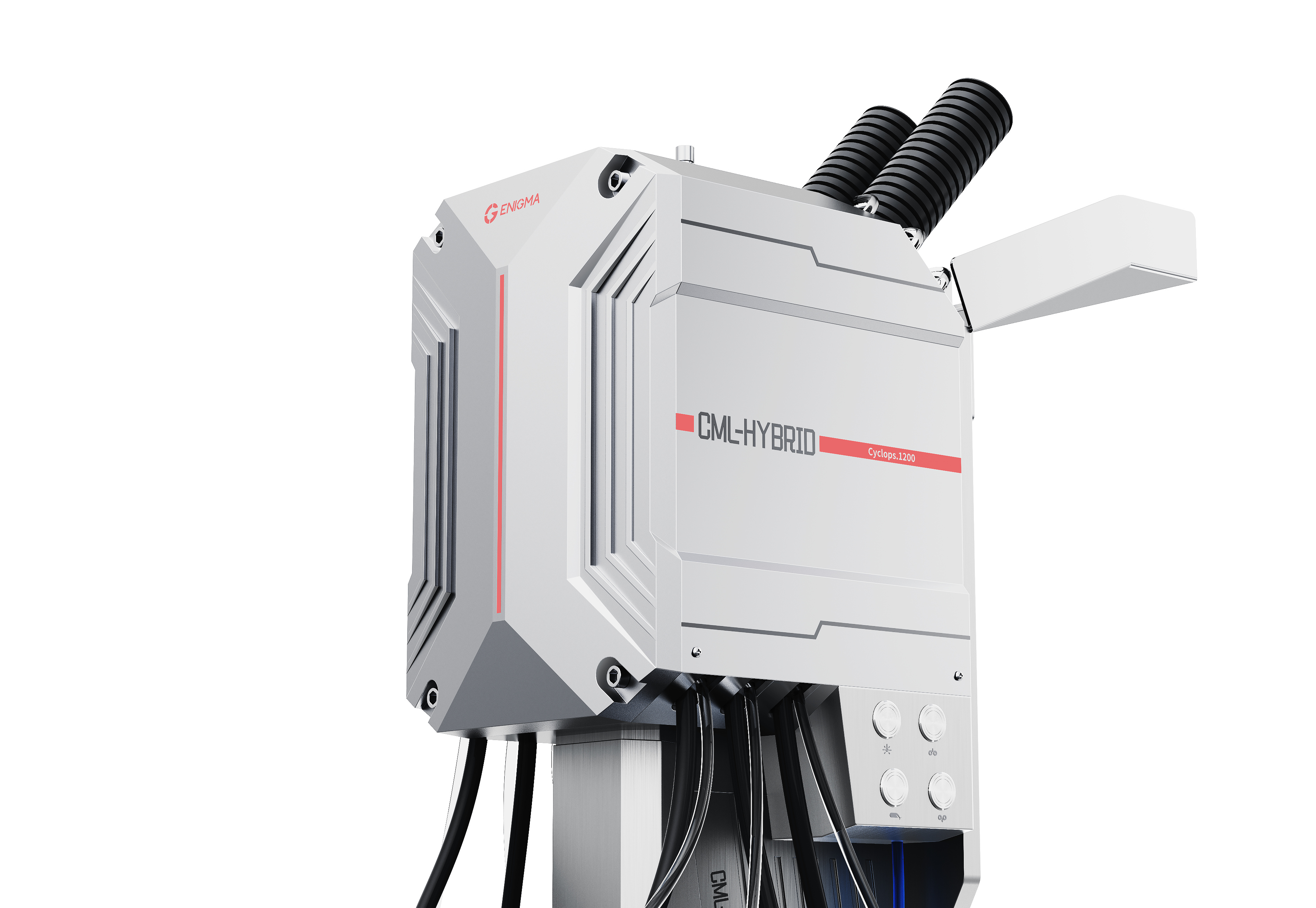
A petrochemical plant in the Middle East faced a shutdown deadline with a damaged Inconel 625 turbine shaft — a 1.2-tonne component with a six-month lead time and a 180,000 replacement cost. A **laser DED** service provider scanned the worn bearing journal, generated a toolpath for the missing material, and deposited Inconel 625 layer by layer onto the shaft diameter. Final machining brought the journal back to blueprint tolerance. The shaft was reinstalled 11 days after removal, at a total repair cost of 38,000 — 21% of the replacement price and five months ahead of the new-part delivery schedule.
Laser DED (Directed Energy Deposition) transforms the economics of high-value component repair. When a 50,000 impeller or a 200,000 turbine disk develops localized wear, the choice is no longer binary — replace or scrap. A third option deposits precisely the material that was lost, exactly where it was lost, with metallurgical bonding that matches or exceeds the original casting.
Why Laser DED Changes the Repair Equation
Conventional repair options for worn metal parts are limited and each carries a compromise. Welding overlay — TIG or MIG buildup — introduces high heat input that distorts the part, creates a heat-affected zone (HAZ) extending 5-15 millimeters into the base material, and often requires post-weld heat treatment that changes the component's original through-hardened properties. Thermal spray coatings provide wear resistance but are mechanically bonded to the surface — they delaminate under impact or cyclic loading. Replacement means paying the full cost of a new component plus expedited shipping, often with lead times exceeding 20 weeks for specialized alloy parts.
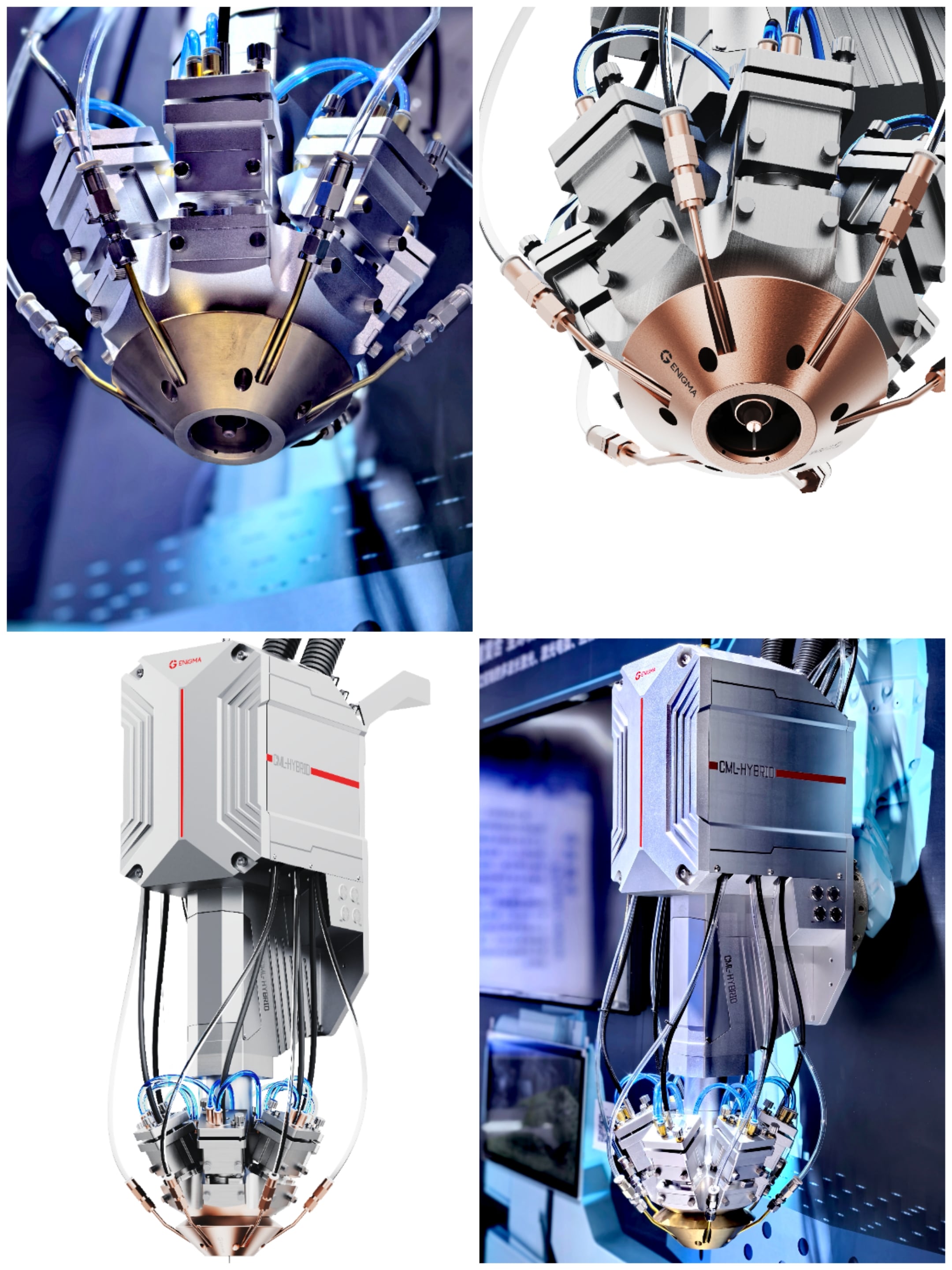
Laser DED operates on a fundamentally different principle. A laser beam creates a precise melt pool on the damaged surface while metal powder or wire is injected into that pool. The result is a fully dense, metallurgically bonded deposit with a heat-affected zone typically under 2 millimeters — one-fourth to one-eighth the HAZ of conventional welding. The localized heat input means the bulk of the component never exceeds 100-150°C, preserving the original heat treatment, grain structure, and mechanical properties of undamaged areas.
The material efficiency of laser DED repair is particularly relevant for aerospace alloys. Inconel 718 turbine components, titanium Ti-6Al-4V structural parts, and cobalt-chrome wear surfaces — all can be deposited with chemistry that matches the base material specification. Unlike cast replacement parts that are machined from oversized stock (often with 80-90% of the purchased material turned into chips), DED deposits material only where needed, achieving material utilization above 90%.
How Laser DED Restores Damaged Metal
The metallurgy of a laser DED repair deposit is fundamentally different from a weld overlay. The rapid solidification rate — 10³ to 10⁵ °C per second for laser processing versus 10¹ to 10² °C per second for arc welding — produces a fine-grained microstructure with superior mechanical properties. For nickel-based superalloys, the fine grain structure resists creep and fatigue crack initiation better than the coarser cast structure of the original component. Independent testing of DED-repaired Inconel 625 has demonstrated yield strengths of 401 MPa, tensile strengths of 724 MPa, and elongation of 57% — values that meet or exceed wrought product specifications.
Fatigue testing on laser DED repaired aerospace components shows that properly executed repairs achieve 90-100% of the original component's fatigue life. The key is interface integrity — the transition between the repair deposit and the base material must be free of lack-of-fusion defects, porosity, and oxide inclusions. Process monitoring systems using melt pool cameras and thermal imaging provide real-time quality data during deposition, enabling parameter adjustment before defects become embedded in the repair.
Frequently Asked Questions
What types of damage can laser DED repair?
Laser DED repairs wear damage (bearing journals, seal surfaces), corrosion pitting, impact damage, machining errors, and fatigue cracks after crack removal and preparation. The technology handles damage depths from 0.5 mm to over 25 mm and diameters from small shaft journals to large turbine casings, with multi-axis robotic or CNC positioning enabling repair of complex curved surfaces.
How does laser DED repair cost compare to replacement?
Repair costs typically range from 15-40% of replacement part cost, with the highest savings on large, complex alloy components with long lead times. A turbine shaft repair at 38,000 versus 180,000 replacement represents typical aerospace and energy industry ratios. For smaller components under $5,000 replacement value, repair economics depend on the damage extent and accessibility of the repair area.
Does laser DED repair weaken the original component?
Properly executed laser DED repairs achieve metallurgical bonding with the base material and produce mechanical properties that match or exceed the original casting. The heat-affected zone is typically under 2 mm — far narrower than arc welding — preserving the bulk of the component's original heat treatment. Fatigue testing shows 90-100% of original component life for qualified repair procedures.
What materials can be repaired with laser DED?
Nickel-based superalloys (Inconel 625, 718), titanium alloys (Ti-6Al-4V), cobalt-chrome alloys, stainless steels (316L, 17-4PH), tool steels, and aluminum alloys are routinely repaired. The technology supports both like-on-like repair (matching the base material) and functional upgrades where a harder or more corrosion-resistant alloy is deposited on the original substrate.
How is repair quality verified on laser DED components?
Non-destructive testing includes dye penetrant inspection for surface defects, ultrasonic testing for internal bond-line integrity, and dimensional verification against the original blueprint. Destructive testing of process qualification coupons — tensile, bend, and metallographic examination — validates the repair procedure before production application. ISO/ASTM 52900 series standards provide the framework for additive manufacturing qualification.
Why is laser DED more suitable for repair than powder bed fusion?
Powder bed fusion builds entire components in a powder bed and cannot add material to an existing part. Laser DED deposits material onto existing surfaces, enabling partial repair without remanufacturing the entire component. DED also handles larger components — meters versus centimeters — and deposits material at 0.5-2 kg/hour versus 0.01-0.1 kg/hour for powder bed systems, making repair of industrial-scale parts economically practical.