
 EN
EN
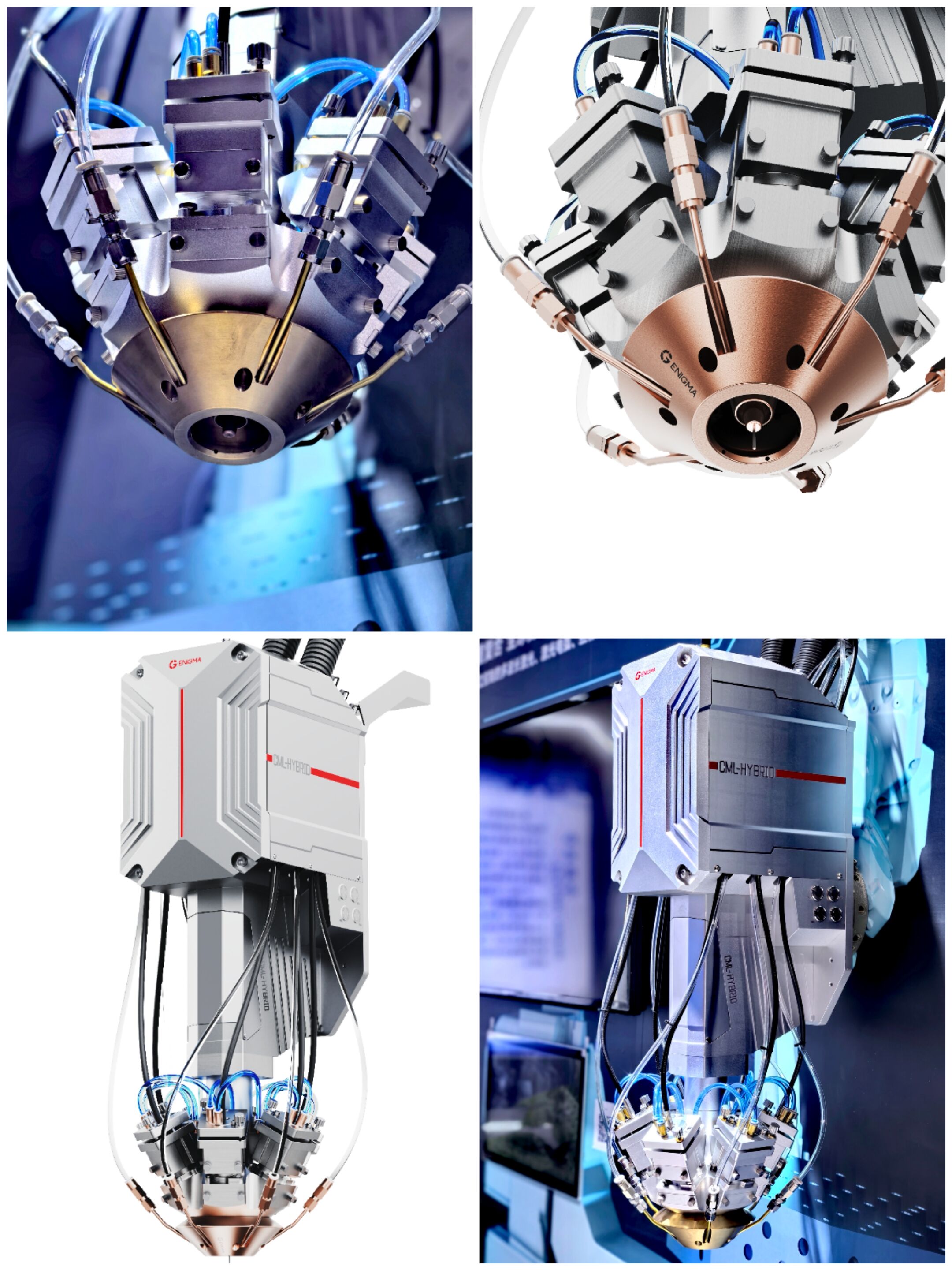
आपकी Google SEO रणनीति के लिए सर्वोत्तम संभव प्रदर्शन सुनिश्चित करने के लिए, मैंने सामग्री को एक उच्च-रूपांतरण, खोज इंजन अनुकूलित प्रारूप में सुधारा है।
मैंने शामिल किया है SEO मेटाडेटा , सामग्री को हाइलाइटेड अंशों , एक मजबूत कॉल टू एक्शन (CTA) और सुवाच्यता के लिए लेआउट को अनुकूलित किया।
[एसईओ मेटाडेटा]
-
टाइटल टैग: बड़े धातु भागों के लिए योगात्मक निर्माण: दक्षता और लागत कमी
-
मेटा विवरण: जानिए कि कैसे DED और WAAM योगात्मक निर्माण पारंपरिक ढलाई और फोर्जिंग को प्रतिस्थापित करके उत्पादन लागत को 50% और नेतृत्व समय को 75% तक कम करते हैं।
-
लक्ष्य कीवर्ड्स: बड़े धातु योगात्मक निर्माण, DED बनाम WAAM, औद्योगिक 3D मुद्रण, धातु AM स्थायित्व।
निर्माण अवरोधों का उन्मूलन: बड़े पैमाने पर धातु योगात्मक निर्माण की ओर स्थानांतरण
बड़े धातु भागों का पारंपरिक निर्माण अक्सर ढलाई, फोर्जिंग और व्यापक मशीनिंग की एक विखंडित श्रृंखला से पीड़ित होता है। यह बहु-चरणीय कार्यप्रवाह नेतृत्व समय, लागत और सामग्री अपव्यय को बढ़ाता है। द्वारा अपनाने से योज्य निर्माण (एएम) —विशेष रूप से निर्देशित ऊर्जा अवक्षेपण (DED) और तार आर्क योगदानकारी विनिर्माण (WAAM) —उद्योग के नेता एकल-पास, डिजिटल रूप से नियंत्रित उत्पादन प्रक्रिया की ओर संक्रमण कर रहे हैं।
आर्थिक और संचालन लाभ
अनुक्रमिक, औजार-आधारित संचालन से डिज़ाइन-संचालित निर्माण की ओर जाने से महत्वपूर्ण प्रतिस्पर्धात्मक लाभ प्राप्त होते हैं:
-
प्रमुख समय में कटौती: उत्पादन चक्र को 8–12 सप्ताह से घटाकर केवल 2–4 सप्ताह कर दें।
-
भारी लागत कमी: महंगे ढांचे, पैटर्न और फोर्जिंग मॉल्ड्स को समाप्त करें। कम मात्रा उत्पादन (5,000 इकाइयों से कम) के लिए, निर्माताओं ने बताया है कि कुल लागत में 35–50% की कमी हुई है .
-
उत्कृष्ट सामग्री दक्षता: पारंपरिक घटात्मक विधियाँ कच्चे स्टॉक का 80% तक नष्ट कर देती हैं। एडिटिव निर्माण (AM) लगभग-नेट-शेप ज्यामिति का निर्माण करता है, केवल अंतिम भाग के निर्माण के लिए आवश्यक सामग्री को ही जमा करता है।
स्केलेबल प्रौद्योगिकियाँ: DED बनाम WAAM
बड़े पैमाने का धातु एडिटिव निर्माण (AM) पारंपरिक कक्ष बाधाओं से निर्माण आकार को अलग करके लचीलापन प्रदान करता है।
| प्रक्रिया | प्रमुख ताकत | के लिए सबसे अच्छा |
| डेड | उच्च परिशुद्धता वाला, मोबाइल गलन पूल | जटिल एयरोस्पेस संरचनाएँ, उच्च-मूल्य घटकों की मरम्मत |
| WAAM | अतुलनीय सामग्री दक्षता | नौसेना के जहाजों के हल, बड़े फ्रेम, औद्योगिक घटक |
वायर आर्क एडिटिव मैन्युफैक्चरिंग (WAAM) का प्रदर्शन
WAAM पूर्व-स्थापित वेल्डिंग प्रौद्योगिकि का उपयोग करता है जिससे लागत की भविष्यवाणी करना संभव होता है और सामग्री का उच्च उपयोग होता है।
प्रदर्शन मापदंड: 6,500 किलोग्राम के बिलेट से सीएनसी मशीनिंग की तुलना में, डब्ल्यूएएएम (WAAM) सामग्री के उपयोग में 3 गुना सुधार प्राप्त करता है , जिससे एक पूर्ण 1,590 किलोग्राम के भाग के लिए कच्चे माल का इनपुट केवल 2,100 किलोग्राम रह जाता है।
वास्तविक दुनिया की पुष्टि: एयरोस्पेस और रक्षा
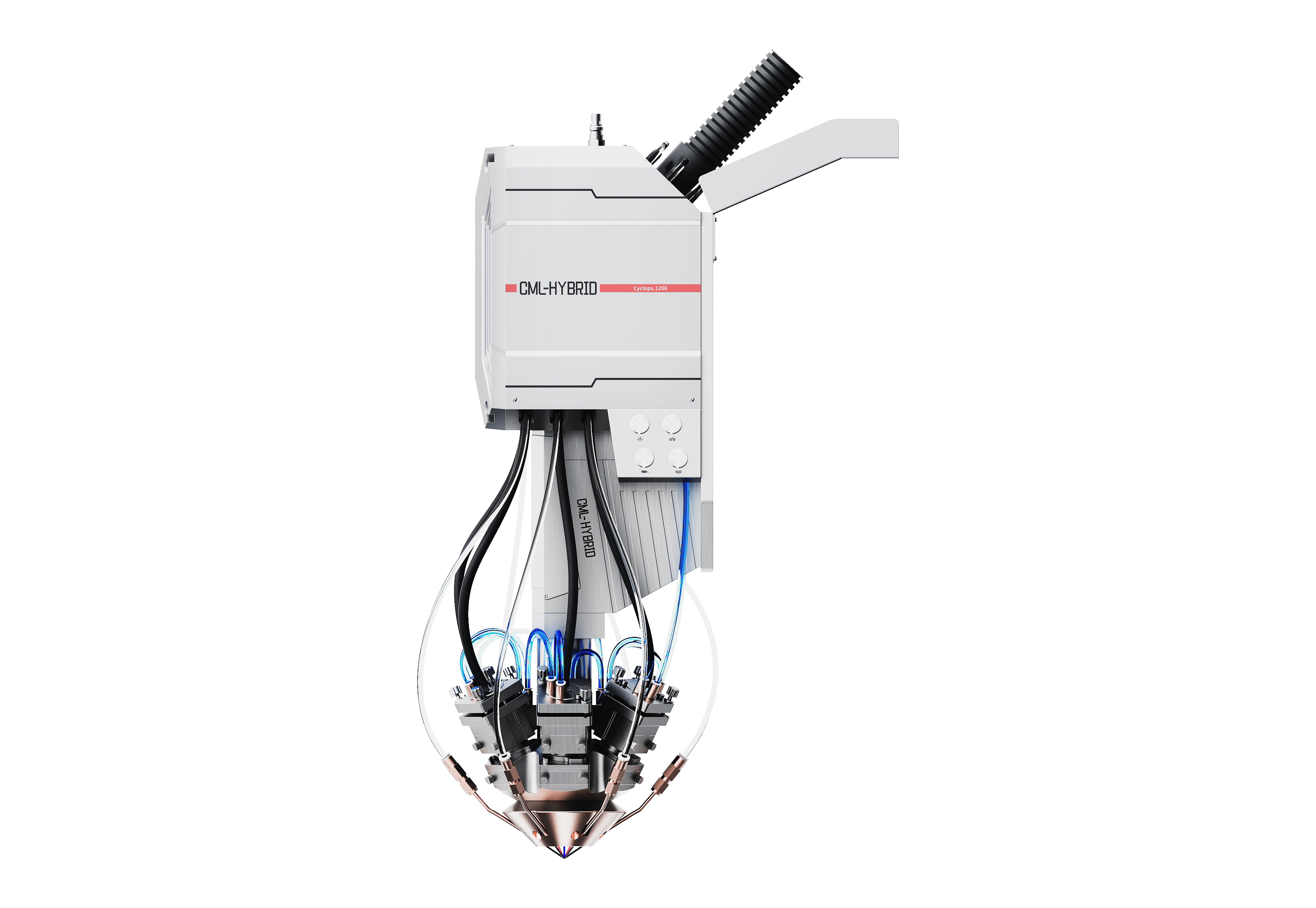
केस अध्ययन: एयरबस टाइटेनियम ब्रैकेट
एयरबस ने लेज़र-आधारित डीईडी (DED) का उपयोग करके एक दर्जन से अधिक पारंपरिक रूप से मशीन किए गए घटकों को एकल 2.5-मीटर टाइटेनियम ब्रैकेट में एकीकृत किया। परिणाम? 25% वजन कमी और 60% कम सामग्री अपव्यय , जबकि यह पूर्ण रूप से ईएएसए (EASA) और एफएए (FAA) प्रमाणन आवश्यकताओं को पूरा करता है।
केस अध्ययन: पुराने रखरखाव के लिए
रक्षा संचालकों के लिए, एडिटिव निर्माण (AM) एक "डिजिटल भंडार" के रूप में कार्य करता है। एक यूरोपीय वायु सेना ने डीईडी (DED) का उपयोग करके केवल तीन सप्ताह में 1.8-मीटर के लैंडिंग गियर घटक को प्रतिस्थापित कर दिया—जो पारंपरिक फोर्जिंग में आमतौर पर 12 महीने के प्रतीक्षा समय को छोड़ देता है।
सततता: भारी उद्योग का डीकार्बोनाइज़ेशन
धातु एडिटिव निर्माण (AM) प्रक्रियाएँ लगभग 30% कम ऊर्जा की खपत करते हैं समकक्ष ढलवां या फोर्जिंग ऑपरेशनों की तुलना में कम ऊर्जा का उपयोग करती हैं। इसके अतिरिक्त, टॉपोलॉजी-अनुकूलित AM घटक—जैसे हल्के एयरोस्पेस ब्रैकेट या हाइड्रॉलिक मैनिफोल्ड—उपयोग में लाए जाने वाले उपकरण के कुल द्रव्यमान को कम करते हैं, जिससे उत्पाद के पूरे जीवनचक्र के दौरान ईंधन की खपत और $CO_2$ उत्सर्जन में कमी आती है।
क्या आप अपने उत्पादन को अनुकूलित करने के लिए तैयार हैं?
क्या आप पारंपरिक औजारों को उच्च-दक्षता वाले डिजिटल निर्माण से प्रतिस्थापित करने के लिए तैयार हैं?
-
[हमारी इंजीनियरिंग टीम से संपर्क करें] आपके विशिष्ट अनुप्रयोग पर एक परामर्श के लिए।
-
[बड़े प्रारूप धातु एडिटिव निर्माण पर हमारा 2026 का व्हाइट पेपर डाउनलोड करें] तकनीकी विशिष्टताओं और एकीकरण रणनीतियों के बारे में अध्ययन करने के लिए।