
 EN
EN
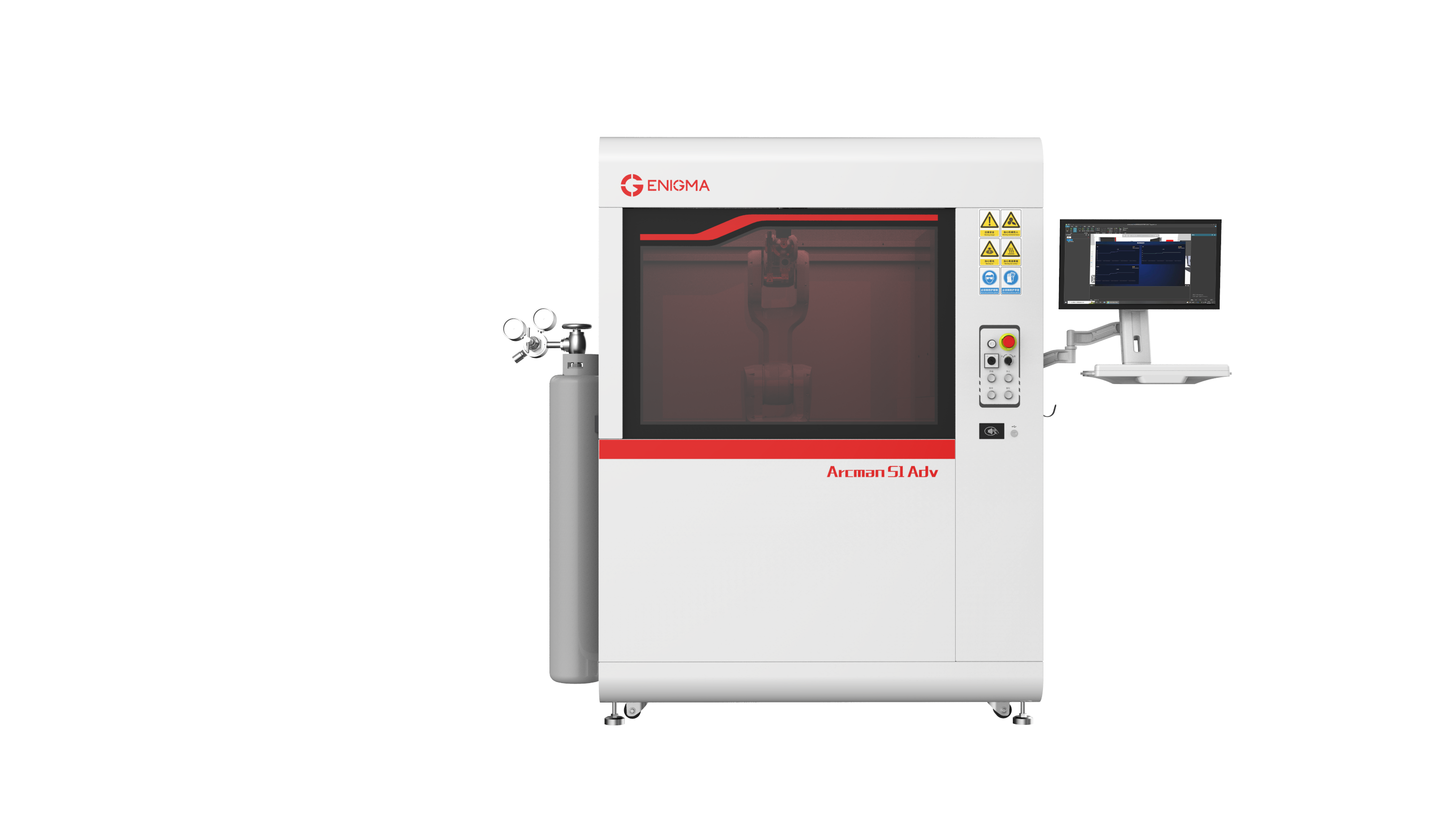
Superior Mechanical Performance Of Directed Energy Deposition Steel Under Extreme Loads
Directed energy deposition steel achieves tensile strengths exceeding nine hundred megapascals for maraging grades, significantly surpassing the seven hundred megapascal ceiling typical of conventional cast steels. This advantage stems from rapid solidification during deposition, which yields a fine, equiaxed grain structure that suppresses crack initiation. In rotating bending fatigue tests at three hundred fifty megapascal stress amplitude, processed stainless steel endured sixty two percent more cycles than its cast counterpart. The absence of large inclusions and porosity, common defects in casting, further enhances load bearing integrity. Crucially, the technology enables functionally graded reinforcement of high stress zones, a capability unavailable with forging or casting. For instance, an excavator arm repaired with a maraging steel overlay survived over two million fatigue cycles under heavy dynamic loads, outlasting the original forged component. Under variable amplitude loading, where crack propagation accelerates, the refined microstructure delivers disproportionate gains. As a result, hydroelectric turbine shafts and mining crusher jaws benefit from extended service intervals and markedly reduced unplanned downtime.
Wear and abrasion resistance in high stress environments are validated through standardized dry sand and high temperature tribometer testing. Directional cooling produces dense, low porosity deposits with a refined, uniformly distributed carbide network. Applied alloy layers exhibit minimal volume loss, outperforming plasma transferred arc equivalents. At elevated temperatures, maraging steel maintains a low friction coefficient and minimal wear rate, attributable to homogeneously dispersed intermetallic precipitates. Near zero dilution ensures metallurgical continuity between deposit and substrate, eliminating brittle interfacial zones common in welded overlays. This integrity allows the material to resist gouging abrasion from mineral slurries and metal to metal sliding, even under lubrication. Field data from leading pump manufacturers confirm restored impeller blades operate thousands of hours in abrasive slurries, doubling the service life of original castings. These attributes make DED steel the preferred solution for slurry pump parts and downhole drilling tools.
Proven Applications Across Critical Industrial Sectors
Downhole tools operate under extreme mechanical stress, abrasive slurries, and high pressure thermal cycling, conditions that rapidly degrade tool steel valve seals. Repairing these components using specialized powder restores geometry while creating a fully dense, metallurgically bonded overlay. Field trials by major oilfield service providers demonstrate a threefold increase in service life, significantly reducing non productive time and cutting annual inventory costs per well. Low dilution and a minimal heat affected zone preserve base metal toughness, while surface hardness remains stable. Standard abrasion testing confirms exceptional volume loss reduction compared to conventional weld repairs. This reliability enables repeated reuse of high value valve bodies, substantially lowering total cost of ownership.
Gas and steam turbine blades endure severe thermo mechanical fatigue from rapid temperature swings, often initiating cracks at blade tips. Maraging steel applied as a cladding layer provides exceptional strength, ductility, and thermal stability. The process achieves full penetration bonding and retains high hardness even after numerous thermal cycles. Post clad machining restores precise aerodynamic profiles. Independent testing at combined cycle plants shows a substantial reduction in crack propagation rate versus welded repairs, extending blade service intervals significantly. Low heat input limits distortion, preserving alignment critical for efficiency and safety. By avoiding full blade replacement, operators save heavily per component and reduce outage durations, directly supporting baseload power generation reliability.
Optimized Powders For Directed Energy Deposition
For corrosion critical applications, including marine systems and chemical processing, stainless steel powder delivers consistently dense, pore free deposits. Its balanced chromium, nickel, and molybdenum content ensures a stable austenitic microstructure that matches wrought performance. Fabricated parts routinely achieve high relative density, minimizing micro crevices where pitting could initiate. Interlayer bonding is robust, with high tensile strengths enabling reliable, scalable layer by layer fabrication of large components without delamination. Salt spray testing confirms negligible mass loss after thousands of hours, verifying that layer bonding does not compromise inherent corrosion resistance.
Tool steel and maraging steel powders are specifically engineered for high temperature tooling and structural components requiring sustained hardness and dimensional stability. The martensitic matrix, stabilized by carbide formers, resists tempering, while maraging alloys strengthen via coherent intermetallic precipitates. Both alloy types retain high hardness after prolonged exposure at elevated temperatures and show no significant carbide coarsening or martensite reversion during thermal cycling, ensuring predictable, long term performance in demanding environments.
Process Advantages Enabling Reliable Large Scale Fabrication
Directed energy deposition creates a full penetration metallurgical bond between deposit and substrate, eliminating the weak interfacial zones typical of conventional weld repairs. Its highly focused energy input restricts the heat affected zone to a fraction of that seen in arc welding, preserving the base material original microstructure and mechanical properties. Dilution remains consistently below industry benchmark levels, ensuring final chemistry, hardness, and performance align precisely with design intent. This tight process control enables reliable, large scale fabrication of industrial components subjected to cyclic loading, thermal stress, or abrasive wear, without premature failure from bond line defects or heat induced softening.
Frequently Asked Questions
-
What is directed energy deposition steel? Directed energy deposition steel is a type of material created through additive manufacturing by depositing metal layer by layer using laser or electron beams, making it suitable for applications requiring high strength and durability.
-
What industries benefit most from this technology? Industries such as oil and gas, power generation, mining, and chemical processing benefit most due to superior mechanical performance, wear resistance, and corrosion resistance.
-
How does the process improve wear and abrasion resistance? It improves wear resistance by creating dense deposits with refined microstructures and uniform carbide distributions, validated through standardized tribological testing.
-
What are the benefits over traditional casting and forging? The technology offers higher tensile strength, fatigue resistance, and the ability to reinforce high stress zones while eliminating common casting defects like porosity and inclusions.
-
What types of steels are optimized for these processes? Common optimized alloys include stainless steel, tool steel, and maraging steel, each engineered for specific applications like corrosion resistance, high temperature stability, or mechanical stress.