
 EN
EN
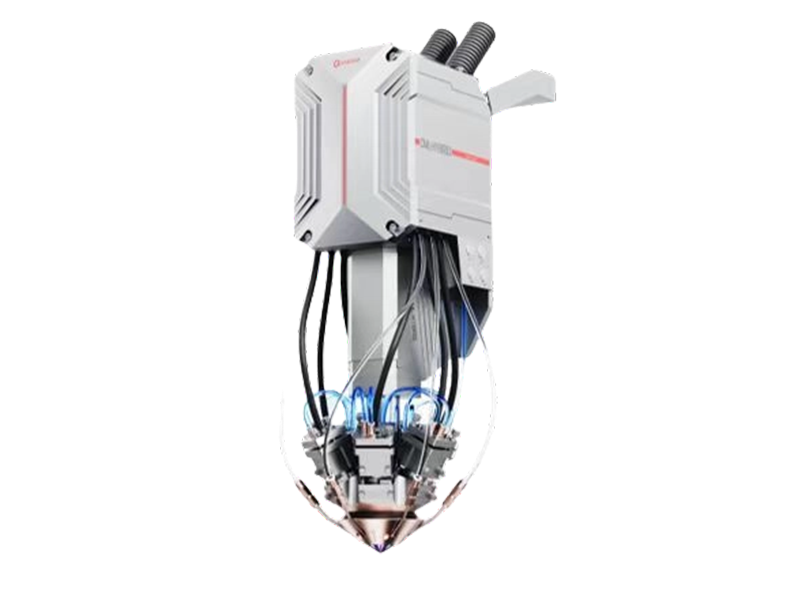
Әуе-ғарыш және қорғаныс: 3D-басып шығару қызметтерін енгізу қажеттілігі
Жет қозғалтқыштары мен аэродинамикалық фюзеляждар үшін бірнеше бөлшекті 3D-басып шығаруда біріктіру
Өнеркәсіптік 3D-басып шығару жет қозғалтқыштары мен аэродинамикалық фюзеляждардың конструкциясын өзгертуде, олардың өнімділігін арттыру мен салмағын азайту бойынша маңызды жетістіктерге қол жеткізуде көмек береді. Топологиялық оптимизациялаумен жасалған 3D-басып шығару конструкциялық инновацияларды кеңейтеді және күрделі ішкі құрылымдар мен суыту каналдарын біріктіруге мүмкіндік береді; бұл сонымен қатар көптеген суыту қосылыстары мен конструкциялық болттардың қажеттілігін жояды. Бұл сонымен қатар конструкциялық инновацияларды кеңейтеді, нәтижесінде аэродинамикалық фюзеляждардың салмағы 30–60% азаяды және отын тиімділігі 4–7% артады. Аэродинамикалық фюзеляждар мен қозғалтқыштар үшін конструкциялық және суыту жағынан жақсартуларға қосымша, 3D-басып шығару инженерлерге дәстүрлі жоғарылатушы өңдеу процестері мен инвестициялық құйма технологияларының шектеулерінен тыс конструкциялау мүмкіндігін береді. Бұл конструкциялау мен инженерлік саласында инновациялар жасауға мүмкіндік береді.
Дәстүрлі өндірістің артықшылығы Қосылатын өндіріс Әсері
Бөлшектің күрделілігі құрал-саймандардың шектеулерімен шектелген. Геометриялық еркіндік шектелмеген. Құрамаларда бөлшектер саны 50% азаяды
Салмақтың азайтуы: Орташа (5–15%). Қатты (30–60%). Әрбір ұшақ үшін жылдық отын үнемі — $220 мың
Дайындық мерзімі: 12–24 апта. 3–6 апта. Сертификаттау циклдары 75% тезірек
Әскери платформалар үшін талап бойынша резервті бөлшектер мен жабдықтау тізбегінің тұрақтылығы
Қорғаныс ұйымдары өнеркәсіптік 3D-баспа қолданысы арқылы бұрынғы платформалар үшін логистикалық мәселелерді шешеді, егер бөлшектер жоқ немесе уақыты өткен болса. Жерлеу бірліктері расталған компоненттерді (мысалы, көлік қосымшалары немесе қару жүйелері үшін қаптамалар) сағаттар ішінде тез өндіре алады, олардың сатып алу процесі айларға созылуы мүмкін. Бұл мүмкіндік 2023 жылғы қорғаныс логистикасы бойынша зерттеулерге сүйене отырып, ассортименттік шығындарды 70%-ға дейін, ал әзірлеу мерзімдерін 90%-ға дейін қысқартады. Ұзақ мерзімді экспедицияларда немесе алыстағы әскери базаларда орналасқан кемелер үшін цифрлық бөлшек кітапханалары дәстүрлі қорларды толығымен ауыстыра алады. Сезімтал компоненттерді жергілікті түрде өндіру киберқорғаныс пен жабдықтау тізбегінің автономиясын әлдеқайда жақсартады, себебі бұл геосаяси мәселелерге ұшырайтын көп деңгейлі тәртіпке бағынатын жабдықтаушы желілеріне тәуелділікті жояды.
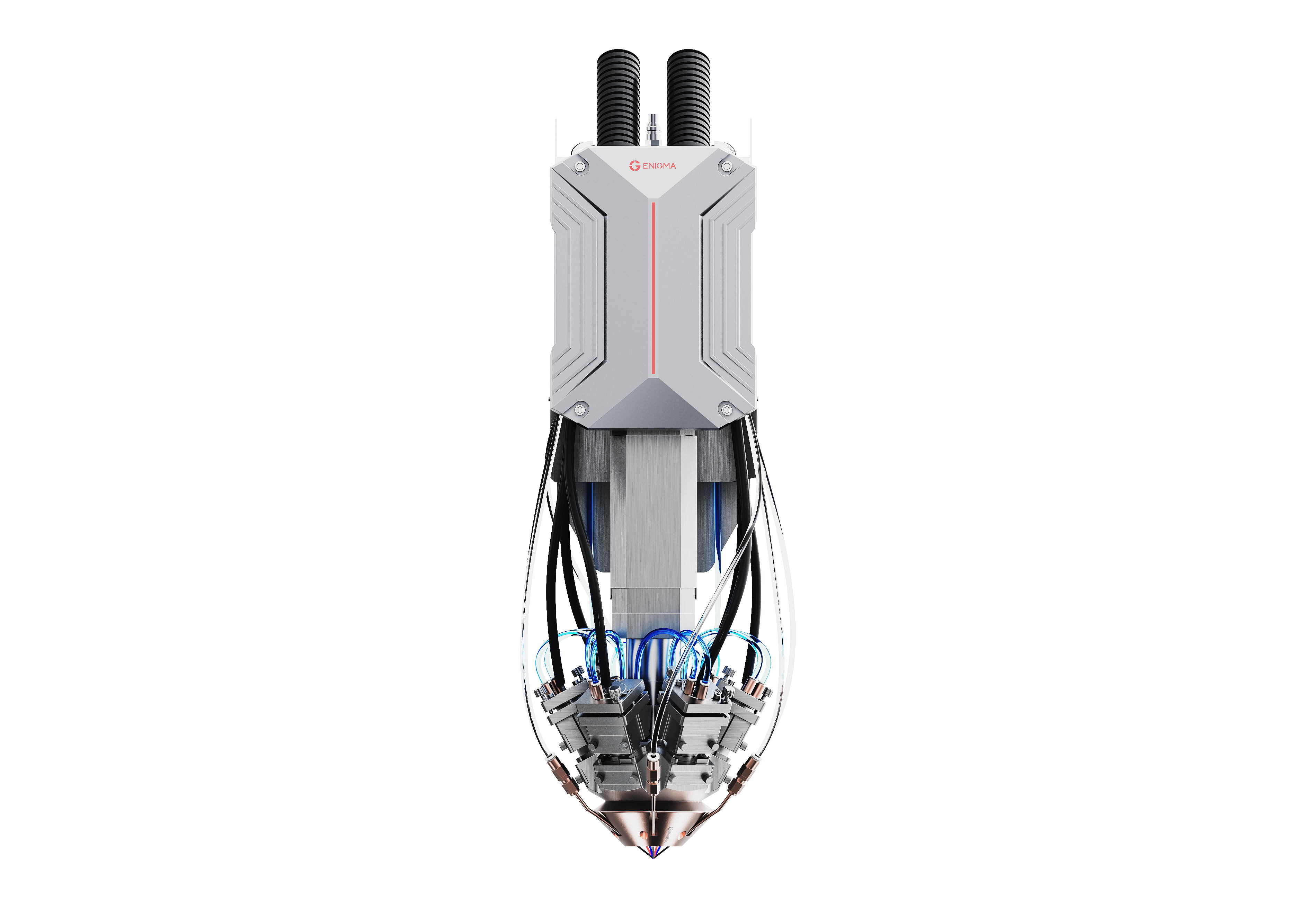
Денсаулық сақтау: Жекелендірілген, реттеуші талаптарға сай өнеркәсіптік 3D-баспа қызметі
FDA рұқсатымен қабылданған науқасқа арналған имплантаттар мен операциялық бағыттаушылар
Дәстүрлі денсаулық сақтау саласындағы 3D басып шығарудан айырмашылығы, өнеркәсіптік 3D басып шығару әрбір пациенттің ерекше анатомиялық қиындықтарын шешу үшін арнайы имплантаттар мен хирургиялық нұсқаулықтарды жасауға мүмкіндік береді. КТ немесе МРТ анатомиялық деректеріне сүйенсек, хирургтарға пациентке арналған титан жұлын торлары немесе полимерлі бас сүйек пластиналары беріледі. Зерттеу деректері (Journal of Orthopedic Research, 2023) операциядан кейін функционалдық қалпына келтіру пациентке арналған құрылғылармен жақсаратынын көрсетеді, себебі имплантатты қабылдамау деңгейі 17%-ға дейін төмендейді. 3D басып шығару хирургиялық құралдары мен нұсқаулықтары ісік резекциясы және буындарды қалпына келтіру сияқты күрделі процедуралармен туындайтын қиындықтарды шешеді; нұсқаулықтар мен құралдар миллиметрден кіші хирургиялық дәлдікті қамтамасыз ету үшін басып шығарылғандықтан, олар айналасындағы тіндерге зақым келтіруді айтарлықтай азайтады. FDA 3D басып шығарылған хирургиялық құрылғыларды бақылауға және қауіпсіздікке бағытталғандықтан, оларды тезірек мақұлдауға мүмкіндік беретін жолдарды бастады.
Медициналық құрылғылардың жедел прототиптеуі және аз көлемді өндірісі
Өнеркәсіптік 3D-баспа көмегімен заманауи дәрілік құрылғылары тек бірнеше апта ішінде прототиптік үлгілер жасауды қажет ететін деңгейге дейін дамыды. Вентилятор қабықтары, протездер мен диагностикалық құрылғылардың қабықтары сияқты диагностикалық және терапиялық құрылғылар түн ішінде басылып шығарылуы мүмкін, бұл шығындарды 40%-ға дейін төмендетеді. Енді құрылғылардың өте жоғары деңгейде жекелендірілуі қажет емес, себебі терапиялық құрылғылар мен сирек кездесетін ауруларға арналған жабдықтар сияқты мамандандырылған қолданыстар тек мүмкіндік болып қана қоймайды, сонымен қатар қаржылық тұрғыдан да тиімді опцияға айналады. Теріс (субтрактивті) және қосымша (аддитивті) өндіріс технологияларының дамуына байланысты көптеген ауруханалар мен медициналық орталықтар құрылғылар мен құралдарды уақыттың қысымынсыз, сұраныс бойынша шығаруға мүмкіндік беретін құралдармен жабдықталды.
Артықшылығы Дәстүрлі өндіріс Өнеркәсіптік 3D-баспа қызметі
Жекелендіру мүмкіндігі Шектеулі Науқасқа арналған
Прототиптік үлгі жасау мерзімі 3–6 апта 24–72 сағат
Шағын серияда шығын тиімділігі Бірлікке шаққанда жоғары 30–50% төмен
Автомобильдық сектор: Тұжырымдамалықтан өндірістік бөлшектерге дейін өнеркәсіптік 3D-баспа технологиясын дамыту
Жоғары араласулы құрастыру үшін құралдарды оптимизациялау және қосымша құрылғылар мен қысқыштарды жасау
Автомобиль өнеркәсібі өнеркәсіптік 3D-баспа технологиясына ең көп тәуелді саладан болып табылады, себебі ол жоғары араласулы, төмен көлемді құрастыру желілерінің жұмысын оптимизациялауға мүмкіндік береді. Автокөліктің нақты құрастыруы үшін әзірленген қосымша құрылғылар мен қысқыштардың өндірісі дәстүрлі әдістермен салыстырғанда 75% тезірек және шығындары әлдеқайда төмен болады. Бұл жеңіл және эргономикалық құралдар ±0,1 мм өлшемдік дәлдікке ие болады және жоғары қайталануы бар жұмыстар кезінде оператордың шаршағыштығын азайтады. Өндірістік желілері икемді және көпмодельді болатын кәсіпорындарда құралдарды қосымша өндіру технологиясымен жасау өндірістік желілерді қайта құрудың құнын 40% төмендетеді және қайта құру уақытын дәстүрлі әдіспен қайта құруға қажетті уақыттан әлдеқайда қысқартады.
Прототиптау және шағын көлемдегі мамандандырылған автокөлік бағдарламалары үшін уақыт үнемдейтін компоненттердің өндірісі
Өнеркәсіптік 3D-басып шығару өндірістік процестің стандарттарын қанағаттандыратын, прототип емес, төмен көлемді және өнімділігі жоғары автокөліктерді шығаруға мүмкіндік беретін деңгейге дейін дамыды. Селективті лазерлік спекрлеу (SLS) процесі — бұл электрлік автокөліктер үшін жылу басқару суыту жүйесін құру үшін әдетте қолданылатын 12 нақты компоненттің диапазонынан біріктірілген бір бөлшек алу үшін күрделі 3D-пішіндерді құру және сериялық ауа өткізгіштерді жасау процесі. Өнімділігі жоғары спорттық автокөліктердің төмен көлемді өндірісін титаннан жасалған тежегіш кронштейндерін шығару арқылы іске асыруға болады; бұл спорттық автокөліктің функционалдық қауіпсіздігін қамтамасыз ету үшін ISO 26262 стандарты талаптарына сәйкес салмақты 50% азайтады. Классикалық автокөліктерді қолдау саласында тоқтатылған қорларды қоймада сақтау шығындарын жою үшін цифрлық қорды пайдалану арқылы жылдық қорды 740 000 долларға азайтуға болады (Ponemon Institute, 2023). Жоғары өнімділікті және жоғары температураға төзімді полимерлер мен композиттік материалдардағы жинақталған жетістіктер автомобиль двигателінің ортасында әдетте 120°C-тан асатын жоғары температураға төзімді датчик үшін 3D-басып шығарылған кабель қапшығы мен корпусын жасауға мүмкіндік береді.
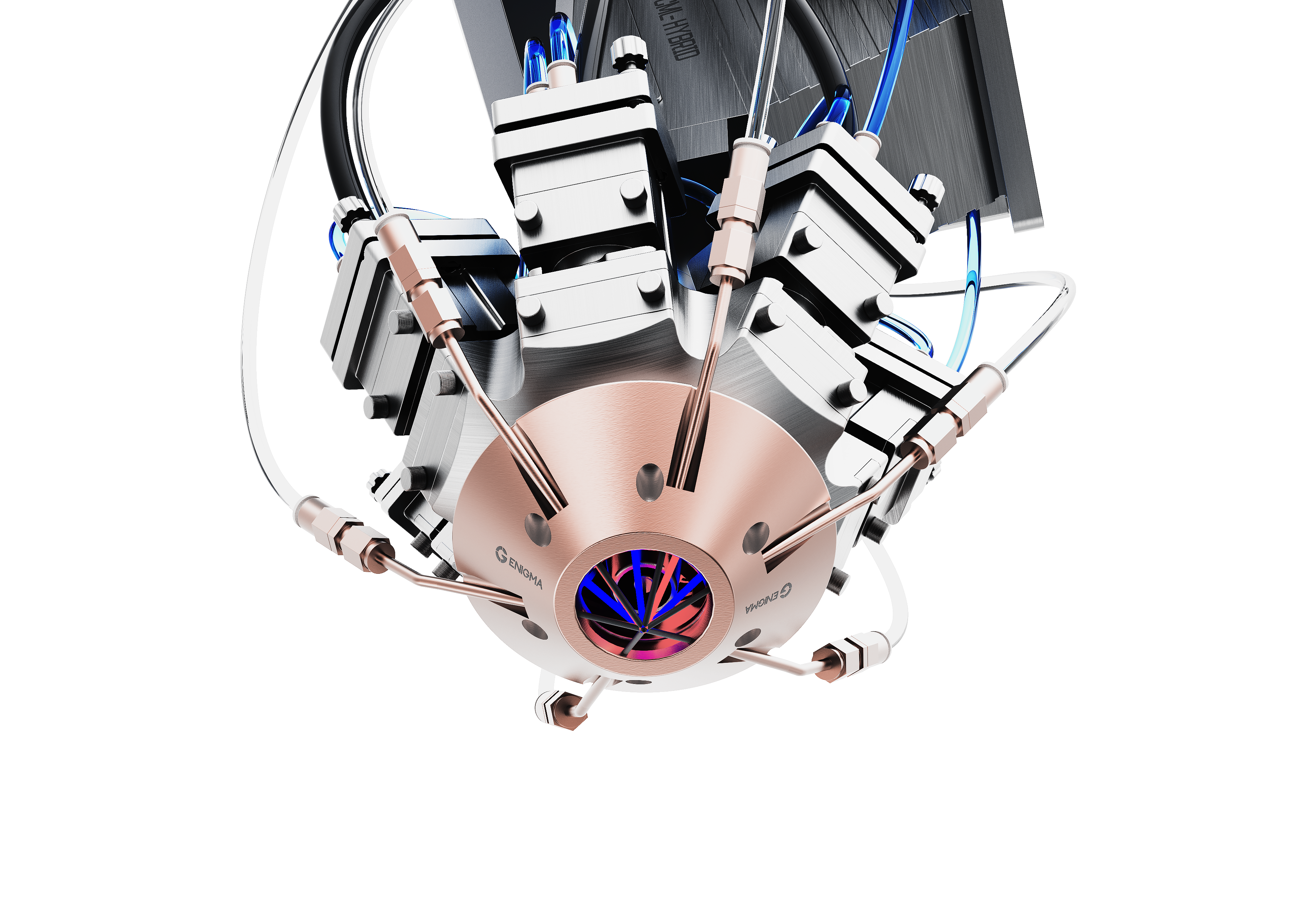
Келесі ірі өнеркәсіптік 3D-басып шығару қызметтері: энергетика, роботтектендіру және өнеркәсіптік құралдар
3D-баспа технологиясы күрделілік, жеке тапсырыс бойынша жасау және жұмыс істеу ортасы талаптарын қанағаттандыру мен оларды асыра орындау үшін дәстүрлі өндірістің шектерін кеңейтуге мүмкіндік береді. Энергетика саласында инженерлер теңізде орналасқан мұнай құрылысына дәл сәйкес келетін, ішкі конформалық суыту каналдары бар турбиналық қанаттар мен коррозияға қарсы клапандарды өндіруге қол жеткізген. Бұл құрылымдық тұрақтылықты жақсартады, салмақты азайтады және қызмет ету мерзімін ұзартады. Роботтектік жабдықтар қарапайымдырақ соңғы әсер ететін құрылғыларды өндіруге мүмкіндік береді, нәтижесінде құрылымдық жобалаудың қарқыны 40–60% артады, ал бұл автоматтандыруды үнемі өзгеріп отыратын икемді жұмыс әдістеріне интеграциялауға мүмкіндік береді. Ең маңызды әсер — өндірістік құрал-жабдықтар саласында байқалады. Конформалық суыту каналдарын тікелей 3D-баспа арқылы жасалған литей немесе өңдеу қалыптарына енгізу цикл уақытын 25–75%-ға азайтады және әсіресе жылулық керілуден туындаған өлшемдік ауытқуларды белгілі дәрежеде азайтады. Ең маңызды жетістік — спиральді суыту каналдарын енгізу арқылы жылулық пайдалы әсер коэффициентін 50%-ға жақсарту және цикл уақытын белгілі дәрежеде қысқарту болып табылады.
Жиі қойылатын сұрақтар:
Өнеркәсіптік 3D-басып шығарудың және аэроғарыш өнеркәсібінің негізгі әсерлері қандай?
Күрделі құрылымдарды біріктіру арқылы тығыздықтың төмендеуі, энергиялық тиімділіктің жақсаруы және жасау қарапайымдығы арқылы аэроғарыш саласындағы жасау сапасы жақсарды. Сонымен қатар, 3D-басып шығарудың жылдамдығы дәстүрлі блоктық компоненттерді жасау үшін қолданылатын қосымша басып шығару/орнату құрылғыларын (jigs) жасау мүмкіндігіне байланысты.
3D-басып шығарудың медицинадағы әсерлерін көрсетіңіз?
Негізгі әсерлер 3D-басып шығарудың жаңа құрылғыларды дамытуға тиісті қаржылық жүктеменің төмендеуіне және хирургиялық бағыттаушылар мен моделдерді жеке таңдалған зиготаларға сай жасау мүмкіндігіне байланысты. Негізгі әсерлер 3D-басып шығарудың жаңа құрылғыларды дамытуға тиісті қаржылық жүктеменің төмендеуіне және хирургиялық бағыттаушылар мен моделдерді жеке таңдалған замиттерге сай жасау мүмкіндігіне байланысты.
Автокөліктің қызметтік компоненттерін жасау үшін 3D-басып шығаруды қолдануға бола ма?
Иә! 3D-баспа құрылғылары салмағы азайтылған және функциясы өзгертілген компоненттерді шектеулі және жоғары өнімділікті көліктерге дайындау үшін барынша жиі қолданылады. Бұл компоненттер сертификаттау рұқсатынан өтуі мүмкін.
Өнеркәсіптік 3D-баспа қорғаныс платформалары үшін жабдықтандыру тізбегін қалай нығайтады?
Қорғаныс ұйымдары үшін апаттық бөлшектерді ескіріп кеткен уақыттың 90%-дан кем уақыты ішінде шығаруға болады, сонымен қатар қоймадағы қорлардың құны төмендейді.
Өнеркәсіптік 3D-баспа үшін қандай жаңа салалар дамытылуда?
Энергетика (мысалы, конформалық суыту каналдары), робототехника (мысалы, жеңіл қысқыштар) және өнеркәсіптік құрал-жабдықтар (мысалы, суыту каналдары қалыпқа интеграцияланған литейлік қалыптар) салаларында да жаңа бағыттар дамытылуда.